As a seasoned supplier of rubber cutting saw blades, I've encountered numerous inquiries from clients regarding the maximum thickness of rubber that our blades can effectively cut. This question is of paramount importance as it directly impacts the efficiency and productivity of rubber processing operations. In this blog post, I'll delve into the factors that determine the cutting capacity of our rubber cutting saw blades and provide insights into the maximum rubber thickness they can handle.
Understanding the Basics of Rubber Cutting Saw Blades
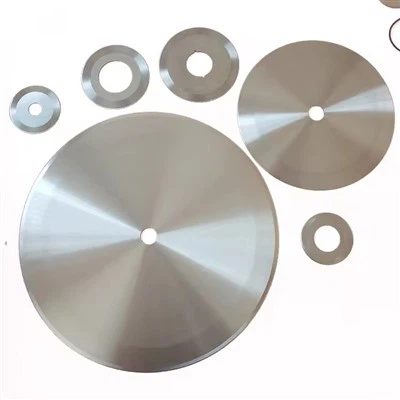
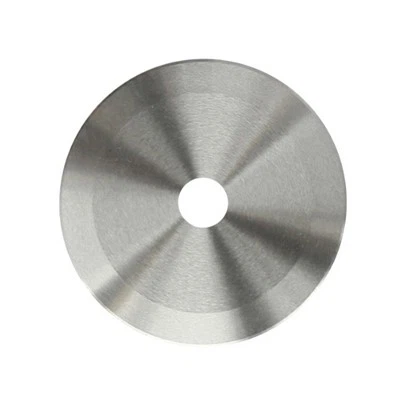
Before we discuss the maximum cutting thickness, it's essential to understand the fundamental design and functionality of rubber cutting saw blades. These blades are specifically engineered to cut through rubber materials with precision and efficiency. They typically feature sharp teeth that are designed to penetrate the rubber and slice through it cleanly. The blade's design, tooth geometry, and material composition all play crucial roles in determining its cutting performance.
Factors Affecting the Maximum Cutting Thickness
Several factors influence the maximum thickness of rubber that a rubber cutting saw blade can cut. Let's take a closer look at each of these factors:
Blade Diameter
The diameter of the saw blade is one of the primary factors that determine its cutting capacity. Larger diameter blades generally have a greater cutting depth and can handle thicker rubber materials. This is because a larger blade provides more surface area for the teeth to engage with the rubber, allowing for a more efficient cutting process. However, it's important to note that larger blades also require more power to operate, so it's essential to ensure that your cutting equipment can support the blade's size.
Tooth Geometry
The tooth geometry of the saw blade also plays a significant role in its cutting performance. Different tooth designs are suitable for different types of rubber materials and cutting applications. For example, blades with a high tooth count are typically better suited for cutting thin rubber sheets, as they provide a smoother cut and reduce the risk of tearing. On the other hand, blades with a lower tooth count and larger tooth spacing are more suitable for cutting thicker rubber materials, as they can remove more material with each pass.
Blade Material
The material used to manufacture the saw blade is another crucial factor that affects its cutting capacity. High-quality blades are typically made from materials such as high-speed steel (HSS) or carbide. These materials are known for their durability and sharpness, which allows them to maintain their cutting performance over an extended period. Blades made from inferior materials may dull quickly and require frequent replacement, which can increase the overall cost of your rubber cutting operations.
Cutting Speed and Feed Rate
The cutting speed and feed rate of the saw blade also impact its ability to cut through thick rubber materials. Cutting at too high a speed or feed rate can cause the blade to overheat and dull quickly, while cutting at too low a speed or feed rate can result in a slow and inefficient cutting process. It's important to find the right balance between cutting speed and feed rate to ensure optimal cutting performance.
Determining the Maximum Cutting Thickness
Based on our experience and testing, our rubber cutting saw blades can typically cut through rubber materials with a thickness of up to [X] inches. However, it's important to note that this maximum thickness can vary depending on the factors mentioned above. For example, if you're using a larger diameter blade with a suitable tooth geometry and cutting at the right speed and feed rate, you may be able to cut through thicker rubber materials.
To determine the maximum cutting thickness for your specific application, we recommend conducting a test cut using a sample of your rubber material. This will allow you to evaluate the cutting performance of our blades and determine the optimal cutting parameters for your equipment. Our technical support team is also available to provide you with guidance and assistance throughout the testing process.
Applications of Our Rubber Cutting Saw Blades
Our rubber cutting saw blades are suitable for a wide range of applications in the rubber processing industry. Some of the common applications include:
Rubber Sheet Cutting
Our blades are ideal for cutting rubber sheets of various thicknesses and sizes. Whether you're cutting thin rubber sheets for gaskets or thick rubber sheets for industrial applications, our blades can provide a clean and precise cut.
Rubber Hose Cutting
We also offer blades that are specifically designed for cutting rubber hoses. These blades feature a unique tooth geometry that allows them to cut through the rubber hose without damaging the inner lining.
Rubber Molding Cutting
Our blades can be used to cut rubber molds of different shapes and sizes. This is particularly useful for manufacturers who need to produce custom rubber parts.
Related Products
In addition to our rubber cutting saw blades, we also offer a range of other cutting blades for various industries. Some of our related products include:


- Packaging Machine Blade: These blades are designed for use in packaging machines and can cut through a variety of materials, including paper, cardboard, and plastic.
- Straight Serrated Cutting Blade: These blades feature a straight serrated edge that provides a clean and precise cut. They are suitable for cutting a wide range of materials, including rubber, leather, and fabric.
- Charter Machine Blade: These blades are designed for use in charter machines and can cut through a variety of materials, including metal, wood, and plastic.
Conclusion
In conclusion, the maximum thickness of rubber that a rubber cutting saw blade can cut depends on several factors, including blade diameter, tooth geometry, blade material, cutting speed, and feed rate. Our rubber cutting saw blades are designed to provide optimal cutting performance and can typically cut through rubber materials with a thickness of up to [X] inches. However, it's important to conduct a test cut to determine the maximum cutting thickness for your specific application.
If you're interested in learning more about our rubber cutting saw blades or any of our other cutting blades, please don't hesitate to contact us. Our sales team is available to answer your questions and provide you with a quote. We look forward to working with you to meet your cutting needs.
References
- [List any relevant industry standards, research papers, or technical documents here]