Hey there! As a supplier of rubber cutting blades, I've always been super curious about where these little workhorses come from. So, I've done some digging, and I'm excited to share what I've found with you.
Let's start at the beginning. The concept of cutting materials, including rubber, has been around for ages. Early humans used sharp stones to cut through animal hides and other tough materials. As time went on, people started to use metals to make more precise cutting tools. But when it comes to rubber specifically, things got a bit more complicated.
Rubber is a unique material. It's elastic, which means it can stretch and bounce back. This makes it a real challenge to cut cleanly. In the early days of the rubber industry, which took off in the 19th century, workers were using basic knives and blades to cut rubber sheets. These were often just sharpened pieces of metal, and they didn't do a great job. The cuts were often jagged, and the blades would dull quickly because of the rubber's stickiness.
Then, in the late 19th and early 20th centuries, there was a big push for innovation in manufacturing. Companies were looking for ways to increase efficiency and quality. This led to the development of more specialized cutting tools for rubber. Engineers started to experiment with different blade designs and materials.
One of the key breakthroughs was the use of high - carbon steel. High - carbon steel is harder and more durable than regular steel. It can hold a sharp edge for longer, which is crucial when cutting rubber. Blades made from high - carbon steel were able to make cleaner cuts and last longer, reducing the need for frequent blade changes.
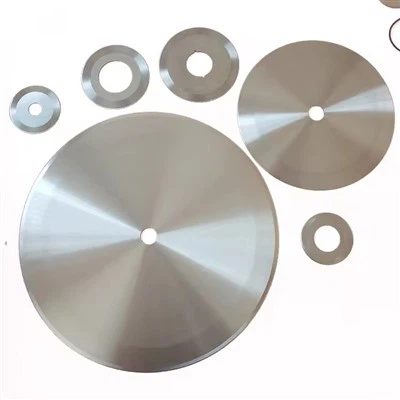
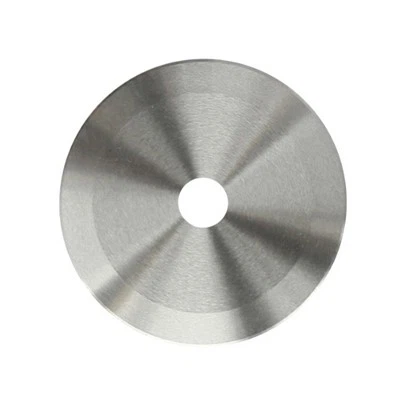
As technology advanced, so did the design of rubber cutting blades. Circular blades became popular because they could rotate continuously, providing a smooth and consistent cut. Circular blades are used in a variety of rubber - cutting applications, from slicing rubber sheets to cutting rubber gaskets. If you're interested in circular blades, you can check out our Circular Slitter Blades.


Another important development was the use of carbide - tipped blades. Carbide is an extremely hard material, even harder than high - carbon steel. Blades with carbide tips can cut through tough rubber compounds with ease. They're also very resistant to wear, which means they can maintain their sharpness for a long time. These blades are often used in high - volume manufacturing processes where precision and durability are essential.
Now, let's talk about the different types of rubber cutting blades that are popular today. One of the most common types is the straight blade. Straight blades are simple in design but very effective. They're used for making straight cuts in rubber sheets and strips. They can be hand - held or used in automated cutting machines.
There are also serrated blades. Serrated blades have a saw - like edge, which helps them grip the rubber better and make cleaner cuts, especially in thicker rubber materials. They're great for cutting through rubber hoses and other irregularly shaped rubber products.
If you're in the packaging industry, you might be interested in our Round Packaging Machinery Blade. These blades are specifically designed for cutting rubber components used in packaging, such as seals and gaskets. They offer high precision and can be customized to meet the specific needs of your packaging machinery.
Of course, the most relevant one for us here is the Rubber Cutting Blade. These blades come in a variety of shapes and sizes to suit different rubber - cutting applications. Whether you're cutting small rubber parts or large rubber sheets, we've got a blade that can do the job.
So, what's the future of rubber cutting blades? Well, with the rise of new materials and technologies, we can expect even more innovation. For example, there's a growing interest in using ceramic blades. Ceramic is extremely hard and has excellent chemical resistance. It can cut through rubber without leaving any residue, which is a big advantage in some industries.
Another area of development is in smart blades. These blades could be equipped with sensors that monitor blade wear and performance. This would allow manufacturers to replace blades at the optimal time, reducing downtime and improving efficiency.
As a supplier of rubber cutting blades, I'm always looking for ways to stay ahead of the curve. We work closely with our customers to understand their needs and develop blades that meet those needs. Whether you're a small - scale manufacturer or a large industrial company, we can provide you with high - quality rubber cutting blades.
If you're in the market for rubber cutting blades, I encourage you to get in touch with us. We'd love to have a chat about your specific requirements and see how we can help you. Our team of experts is ready to assist you in finding the perfect blade for your application. So, don't hesitate to reach out and start a conversation about your rubber - cutting needs.
References
- "History of Cutting Tools" by Industrial Tooling Journal
- "Advances in Rubber Processing Technology" by Rubber Manufacturing Review
- "Materials for Cutting Blades" by Tool and Die Magazine