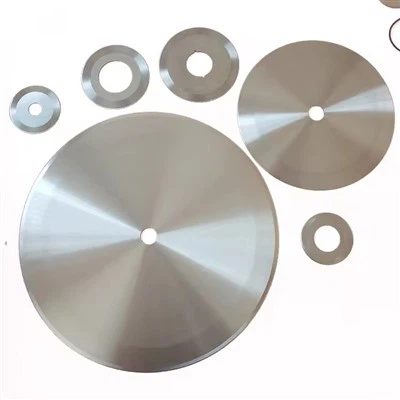
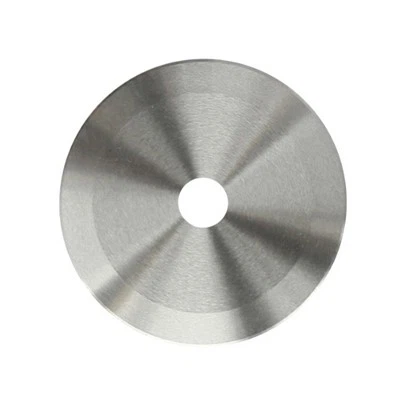
Hey there! As a supplier of meat slicer blades, I often get asked about the standard size of a meat slicer blade for a countertop slicer. It's a great question, and one that can be a bit tricky to answer because there isn't a one - size - fits - all solution. In this blog, I'll break down the different factors that influence the size of these blades and give you a good idea of what to look for.
First off, let's talk about why the size of the meat slicer blade matters. The size of the blade directly affects the slicing capacity of the countertop slicer. A larger blade can handle bigger cuts of meat, while a smaller blade is more suitable for smaller items or when you need more precision. It also impacts the speed of slicing. A bigger blade can usually slice through meat faster, but it might not be as maneuverable as a smaller one.
There are several common sizes of meat slicer blades for countertop slicers. The most popular sizes range from 7 inches to 12 inches in diameter. A 7 - inch blade is on the smaller side. It's ideal for home use or small delis where you're mainly slicing thin cuts of meat, like cold cuts for sandwiches. It's also great for precision work, like slicing cheese or vegetables. You can get a good Meat Slicer Blade in this size that offers excellent control.
Moving up, an 8 - inch blade is a step up in terms of capacity. It can handle slightly larger cuts of meat and is still quite manageable on a countertop. This size is a good balance between the smaller 7 - inch blade and the larger options. It's often used in small - to - medium - sized restaurants or cafes where they need to slice a variety of meats.
A 9 - inch blade is another common choice. It provides a bit more slicing area compared to the 8 - inch blade. With a 9 - inch blade, you can easily slice through medium - sized roasts or whole chickens. This size is versatile and can be used in a range of settings, from home kitchens to small commercial establishments.
If you're looking for even more slicing power, a 10 - inch blade is a great option. It can handle larger cuts of meat with ease. This size is commonly used in medium - sized delis or restaurants that do a significant amount of meat slicing. It allows for faster and more efficient slicing of thick cuts of beef, pork, or lamb.
The 11 - inch and 12 - inch blades are on the larger end of the spectrum. These blades are typically used in larger commercial kitchens or delis where they need to slice large quantities of meat quickly. A 12 - inch blade can slice through huge cuts of meat, like whole briskets or large hams. However, keep in mind that a larger blade also means a larger and heavier slicer, which might take up more counter space.
Now, let's talk about the thickness of the blade. The thickness of a meat slicer blade can vary, but most countertop slicer blades are between 1.5mm and 3mm thick. A thinner blade, around 1.5mm, is better for slicing thin, delicate meats and cheeses. It offers more precision and can make very thin slices. On the other hand, a thicker blade, around 3mm, is more durable and can handle tougher cuts of meat. It's less likely to bend or break when slicing through large, dense pieces of meat.
When choosing the right size of meat slicer blade for your countertop slicer, you also need to consider the type of meat you'll be slicing. If you're mainly slicing soft, thin meats like turkey breast or ham, a smaller blade with a thinner profile might be sufficient. But if you're dealing with tough, thick cuts of beef or pork, you'll want a larger and thicker blade.
Another factor to consider is the frequency of use. If you're using the slicer occasionally at home, a smaller blade will probably meet your needs. But if you're running a busy deli or restaurant where the slicer is in constant use, you'll need a larger, more durable blade.


There are also different types of blades available, such as the Straight Serrated Cutting Blade. This type of blade has a straight edge with serrations, which makes it great for slicing through meats with different textures. The serrations help grip the meat and make clean, even slices.
The Dotted Paper Cutting Blade is another option. While it might not be as commonly used for meat slicing as the other types, it can be useful in certain situations, like slicing through meats with a lot of fat or gristle.
In conclusion, there isn't a single standard size for a meat slicer blade for a countertop slicer. It depends on your specific needs, the type of meat you'll be slicing, and how often you'll be using the slicer. As a meat slicer blade supplier, I can help you find the perfect blade for your situation. Whether you need a small, precise blade for home use or a large, heavy - duty blade for a commercial kitchen, I've got you covered.
If you're interested in purchasing a meat slicer blade or have any questions about the right size for your needs, don't hesitate to reach out. We can have a chat about your requirements and find the best blade for you. Let's get your slicer working at its best!
References
- "The Art of Meat Slicing" - A guidebook on meat slicing techniques and equipment.
- Industry reports on meat slicer blade usage and trends.