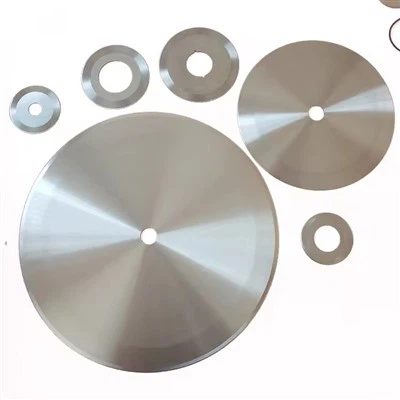
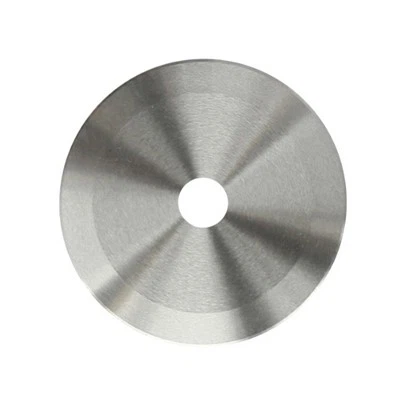
Vibration is a crucial factor to consider when using circular slitter blades. As a supplier of Circular Slitter Blades, I have witnessed firsthand the impact of vibration levels on the performance and longevity of these blades. In this blog post, I will delve into the concept of vibration levels when using circular slitter blades, exploring the factors that influence them, their effects, and how to manage them effectively.
Understanding Vibration in Circular Slitter Blades
Vibration in circular slitter blades refers to the oscillatory motion that occurs during the cutting process. This motion can be caused by various factors, including the design of the blade, the cutting conditions, and the machine's operating parameters. When a circular slitter blade is in use, it rotates at high speeds, and any imbalance or irregularity in the blade's structure can lead to vibration.
The vibration levels of circular slitter blades are typically measured in terms of amplitude and frequency. Amplitude refers to the maximum displacement of the blade from its equilibrium position, while frequency is the number of oscillations per unit of time. High-amplitude and high-frequency vibrations can have a significant impact on the performance of the blade and the quality of the cut.
Factors Influencing Vibration Levels
Blade Design and Manufacturing
The design and manufacturing quality of the circular slitter blade play a crucial role in determining its vibration levels. A well-designed blade with a balanced structure and precise dimensions is less likely to vibrate during operation. For example, blades with a uniform thickness and a symmetrical shape are more stable and generate less vibration compared to blades with irregularities.
The material used to manufacture the blade also affects its vibration characteristics. High-quality materials with good damping properties can help reduce vibration. For instance, some advanced alloys are designed to absorb and dissipate vibration energy, resulting in smoother cutting operations.
Cutting Conditions
The cutting conditions, such as the cutting speed, feed rate, and the type of material being cut, can have a significant impact on the vibration levels of the circular slitter blade. Higher cutting speeds generally increase the likelihood of vibration, as the blade experiences greater forces and stresses. Similarly, a high feed rate can cause the blade to vibrate more, especially if the material is tough or has a non-uniform structure.
The type of material being cut also matters. For example, cutting rubber or paper requires different blade characteristics compared to cutting metal. Rubber Cutting Blade and Round Paper Cutting Blade are designed to handle the specific properties of these materials, and using the wrong blade can lead to increased vibration.
Machine Condition and Setup
The condition of the cutting machine and its proper setup are essential for minimizing vibration. A machine that is not properly calibrated or maintained can cause the blade to vibrate excessively. For example, misaligned bearings, loose belts, or a worn-out spindle can all contribute to increased vibration levels.
Proper blade mounting is also crucial. If the blade is not installed correctly, it can create an imbalance, leading to vibration. Ensuring that the blade is centered and tightened securely can help reduce vibration and improve cutting performance.
Effects of High Vibration Levels
Reduced Blade Life
High vibration levels can significantly reduce the life of the circular slitter blade. The constant oscillatory motion causes excessive wear and tear on the blade, leading to premature dulling and chipping. This not only increases the frequency of blade replacements but also adds to the overall cost of production.
Poor Cutting Quality
Vibration can also have a negative impact on the quality of the cut. It can cause uneven cuts, rough edges, and burrs, which are unacceptable in many applications. In industries where precision cutting is required, such as the paper and packaging industry, high vibration levels can result in product defects and customer dissatisfaction.
Machine Damage
Excessive vibration can also damage the cutting machine itself. The increased forces and stresses can cause wear on the machine's components, such as the bearings, spindle, and drive system. Over time, this can lead to machine breakdowns and costly repairs.
Managing Vibration Levels
Blade Selection
Choosing the right circular slitter blade for the specific application is crucial for managing vibration levels. Consider the type of material being cut, the cutting speed, and the required cutting quality. As a supplier, I can provide expert advice on selecting the most suitable blade for your needs.
Machine Maintenance
Regular machine maintenance is essential for minimizing vibration. This includes checking and replacing worn-out components, such as bearings and belts, and ensuring proper alignment of the machine. A well-maintained machine will operate more smoothly and generate less vibration.


Cutting Parameter Optimization
Optimizing the cutting parameters, such as the cutting speed and feed rate, can also help reduce vibration. Conducting tests to determine the optimal settings for a particular material and blade combination can improve cutting performance and minimize vibration.
Conclusion
In conclusion, understanding and managing the vibration levels when using circular slitter blades is essential for achieving optimal cutting performance, prolonging blade life, and ensuring the quality of the cut. As a supplier of Circular Slitter Blades, I am committed to providing high-quality blades and expert advice to help you minimize vibration and improve your cutting operations.
If you are interested in learning more about our circular slitter blades or need assistance in selecting the right blade for your application, please feel free to contact us for a procurement discussion. We look forward to working with you to meet your cutting needs.
References
- Smith, J. (2018). "Cutting Tool Technology: Principles and Applications." Publisher XYZ.
- Johnson, A. (2019). "Vibration Analysis in Manufacturing Processes." Journal of Manufacturing Science, Vol. 25, No. 3.
- Brown, K. (2020). "Advanced Materials for Cutting Tools." Materials Research Journal, Vol. 30, No. 2.