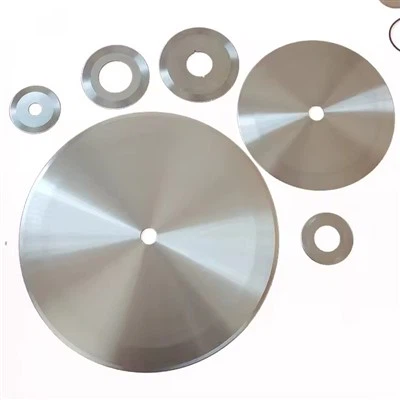
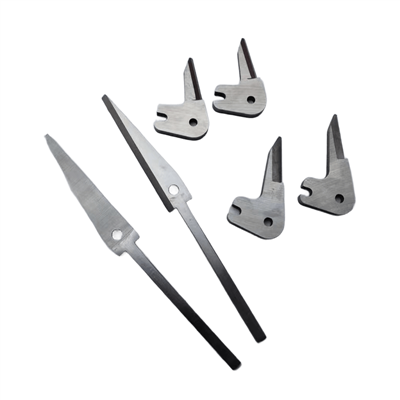
Encountering a broken food slicer blade can be a frustrating experience, especially when you rely on your slicer for daily food preparation. As a professional food slicer blade supplier, I understand the importance of addressing this issue promptly and effectively. In this blog post, I'll share some practical steps you can take if your food slicer blade breaks, along with insights into blade maintenance and replacement options.
Step 1: Ensure Safety First
The moment you notice that your food slicer blade is broken, the first and most crucial step is to prioritize safety. Unplug the food slicer immediately to prevent any accidental start - up. Broken blades can have sharp edges that pose a significant risk of cuts and injuries. Use thick gloves to handle the slicer and the broken blade carefully. Avoid touching the broken parts directly to minimize the chance of getting cut.
Step 2: Assess the Damage
Once you've secured the slicer, take a close look at the broken blade. Determine the extent of the damage. Is it a small chip, a crack, or has the blade completely snapped? Sometimes, minor chips or cracks may still allow for temporary use, but it's generally not recommended as the blade's performance will be compromised, and the damage may worsen over time. If the blade is severely damaged, it's clear that a replacement is necessary.
Step 3: Clean the Slicer
Before proceeding with any further actions, clean the food slicer thoroughly. Broken blade pieces may have scattered inside the slicer. Use a brush or a vacuum cleaner to remove all debris. Cleaning not only helps in identifying any remaining blade fragments but also ensures that the slicer is ready for a new blade installation. A clean slicer also extends the lifespan of the new blade by preventing abrasive particles from causing premature wear.
Step 4: Check the Warranty
If your food slicer is relatively new, check the warranty. Many manufacturers offer warranties on their blades. If the blade breaks within the warranty period, you may be eligible for a free replacement. Contact the slicer's manufacturer or the retailer where you purchased it to inquire about the warranty claim process. They will usually ask for proof of purchase and details about the damage.
Step 5: Source a Replacement Blade
If the warranty doesn't cover the broken blade or if the slicer is out of warranty, it's time to find a replacement. As a food slicer blade supplier, I recommend choosing a high - quality blade that is compatible with your specific food slicer model. There are various types of blades available, including Medicine Bag Packaging Cutter, Semiconductor Punching Blade, and Food Grinding And Cutting Blade. Make sure to select the right blade for your slicer's intended use, whether it's for slicing meats, vegetables, or fruits.
When sourcing a replacement blade, consider the following factors:
- Material: Blades are commonly made from stainless steel, carbon steel, or ceramic. Stainless steel blades are corrosion - resistant and easy to clean. Carbon steel blades are very sharp but may require more maintenance to prevent rust. Ceramic blades are extremely sharp and long - lasting but can be brittle.
- Size and Shape: The blade must fit precisely into your food slicer. Refer to your slicer's manual or measure the existing blade accurately to ensure a proper fit.
- Quality: Look for blades that are well - made and have good reviews. High - quality blades will provide better performance and durability.
Step 6: Install the New Blade
Once you have the replacement blade, it's time to install it. Follow the instructions in your food slicer's manual carefully. In general, the process involves removing the old blade by loosening the screws or bolts that hold it in place. Then, position the new blade correctly and tighten the fasteners securely. Make sure the blade is centered and balanced to ensure smooth operation.


Step 7: Test the Slicer
After installing the new blade, plug in the food slicer and conduct a test run. Start with a small piece of food to check if the slicer is working properly. Observe the slicing action. The blade should cut smoothly and evenly. If you notice any issues such as uneven cuts, excessive vibration, or strange noises, stop the slicer immediately and re - check the blade installation.
Blade Maintenance Tips to Prevent Breakage
To avoid future blade breakage, here are some maintenance tips:
- Regular Cleaning: Clean the blade after each use to remove food residues, which can cause corrosion and dull the blade. Use a mild detergent and warm water, and dry the blade thoroughly.
- Proper Storage: Store the food slicer in a dry place. If possible, cover the blade to protect it from dust and damage.
- Avoid Overloading: Don't force large or hard items through the slicer. Use the slicer within its recommended capacity.
- Sharpening: Regularly sharpen the blade according to the manufacturer's instructions. A sharp blade cuts more efficiently and is less likely to break under stress.
Conclusion
A broken food slicer blade doesn't have to be a major setback. By following these steps, you can safely and effectively deal with the issue. As a food slicer blade supplier, I'm committed to providing high - quality blades that meet your needs. Whether you're a home cook or a professional chef, having a reliable blade is essential for efficient food preparation.
If you're in the market for a new food slicer blade or have any questions about blade selection and installation, feel free to reach out. I'm here to assist you in finding the perfect blade for your slicer. Let's ensure that your food slicing experience is always smooth and hassle - free.
References
- Food Slicer User Manuals
- Industry Reports on Cutting Tool Materials and Maintenance