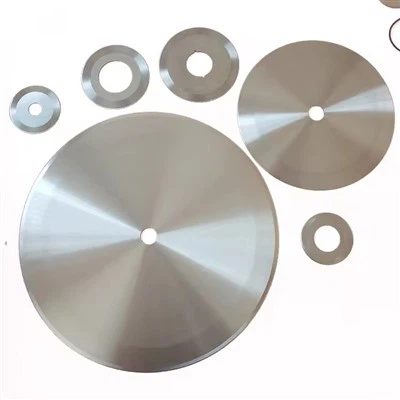
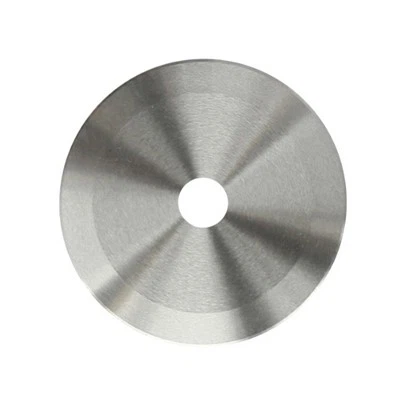
Can circular slitter blades be used in food - processing industries?
In the dynamic landscape of the food - processing industries, the choice of tools and equipment is of utmost importance. One such tool that often sparks curiosity is the circular slitter blade. As a supplier of circular slitter blades, I am frequently asked about the viability of using these blades in food - processing operations. In this blog, we will explore the feasibility, advantages, and considerations of using circular slitter blades in the food - processing sector.
Feasibility of Using Circular Slitter Blades in Food - Processing
Circular slitter blades can indeed be used in food - processing industries. Their design allows for efficient and precise cutting, which is crucial in food production. These blades come in various sizes and configurations, enabling them to handle different types of food products. For instance, in the production of bakery items, circular slitter blades can be used to cut dough into uniform pieces. The sharpness and circular motion of the blade ensure a clean cut, which is essential for maintaining the quality and appearance of the final product.


In the meat - processing industry, circular slitter blades can be employed to slice meat into desired thicknesses. The continuous rotation of the blade provides a consistent cutting action, reducing the chances of uneven cuts. Similarly, in the fruit and vegetable processing sector, these blades can be used to cut, slice, or dice produce. Whether it's cutting carrots into thin strips for salads or slicing apples for pies, circular slitter blades can handle the task with relative ease.
Advantages of Circular Slitter Blades in Food - Processing
- Precision Cutting: Circular slitter blades offer high precision cutting. The circular motion of the blade ensures that the cut is clean and accurate, which is vital for food products where presentation and portion control are important. For example, in the production of ready - to - eat food items, precise cutting helps in maintaining consistent portion sizes, which is not only important for customer satisfaction but also for cost - control in the production process.
- Efficiency: These blades are designed for high - speed cutting. In large - scale food - processing operations, time is of the essence. Circular slitter blades can cut through food products quickly, increasing the overall production efficiency. This is particularly beneficial in industries where large volumes of food need to be processed within a short period, such as in the production of canned foods or frozen food items.
- Versatility: Circular slitter blades can be used to cut a wide range of food products. They can handle soft foods like cheese and bread as well as harder items like nuts and certain types of cured meats. This versatility makes them a valuable asset in food - processing facilities that deal with multiple types of food products.
- Longevity: High - quality circular slitter blades are made from durable materials that can withstand the rigors of continuous use in food - processing environments. They are resistant to wear and tear, which means they have a longer lifespan compared to some other types of cutting tools. This reduces the frequency of blade replacement, saving both time and money for food - processing companies.
Considerations When Using Circular Slitter Blades in Food - Processing
- Material Compatibility: The material of the circular slitter blade must be compatible with food products. It should be made from food - grade materials that are non - toxic and do not contaminate the food. Stainless steel is a commonly used material for food - processing blades as it is resistant to corrosion and easy to clean.
- Hygiene: Maintaining high levels of hygiene is crucial in the food - processing industry. Circular slitter blades need to be easy to clean and sanitize. They should be designed in a way that minimizes the accumulation of food particles and bacteria. Regular cleaning and maintenance of the blades are essential to prevent the growth of harmful microorganisms.
- Safety: Safety is a top priority in food - processing facilities. Circular slitter blades operate at high speeds, and proper safety measures must be in place to prevent accidents. This includes the use of safety guards and proper training for operators. Additionally, the blades should be installed and maintained correctly to ensure safe operation.
Our Circular Slitter Blades for Food - Processing
As a supplier of circular slitter blades, we understand the unique requirements of the food - processing industry. Our blades are made from high - quality food - grade stainless steel, ensuring compatibility with food products and resistance to corrosion. We offer a wide range of blade sizes and configurations to meet the diverse needs of food - processing operations.
Our Round Paper Cutting Blade technology has been adapted to create blades that are suitable for food - processing. These blades are designed for precision cutting, whether it's for slicing thin sheets of dough or cutting through tough fruits and vegetables.
For more flexible food items, our Rubber Cutting Blade technology has been modified to provide a smooth and clean cut. These blades can be used for cutting items like soft cheeses or certain types of processed meats.
Our Round Packaging Machinery Blade designs are also relevant in food - processing. These blades can be used in the packaging stage of food products, ensuring that the packaging is cut accurately and efficiently.
Conclusion
In conclusion, circular slitter blades can be effectively used in food - processing industries. They offer numerous advantages such as precision cutting, efficiency, versatility, and longevity. However, certain considerations such as material compatibility, hygiene, and safety must be taken into account. As a supplier, we are committed to providing high - quality circular slitter blades that meet the strict requirements of the food - processing industry.
If you are in the food - processing industry and are looking for reliable circular slitter blades, we invite you to contact us for a detailed discussion on your specific needs. Our team of experts is ready to assist you in finding the right blades for your operations.
References
- "Food Processing Technology: Principles and Practice" by P. Fellows
- "Handbook of Food Engineering Operations" by M. A. Rao and S. S. H. Rizvi