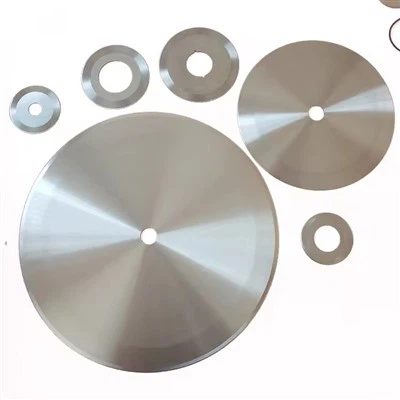
Hey there! I'm a supplier of CNC Machining Die, and I've been in this business for quite a while. I've seen firsthand how important it is to maintain these dies properly. In this blog post, I'm gonna share some tips on how to maintain a CNC - machined die, so let's get started!
Why Maintenance Matters
First off, you might be wondering why maintaining a CNC - machined die is such a big deal. Well, these dies are not cheap, and they're a crucial part of your production process. If a die breaks down or doesn't work as it should, it can cost you a lot of time and money. Regular maintenance can extend the lifespan of your die, improve its performance, and save you from costly repairs or replacements.
Cleaning and Inspection
One of the most basic yet important steps in maintaining a CNC - machined die is cleaning and inspection. After each use, you should clean the die thoroughly to remove any debris, chips, or coolant. You can use a soft brush and a suitable cleaning solution to do this. Make sure to get into all the nooks and crannies, especially the cutting edges and the cavities.
Once the die is clean, it's time for inspection. Check for any signs of wear, damage, or corrosion. Look at the cutting edges to see if they're sharp or if they've become dull. Check the alignment of the die components to make sure everything is in place. If you notice any issues, address them right away. A small problem left unattended can turn into a big headache later on.
Lubrication
Lubrication is another key aspect of die maintenance. Proper lubrication reduces friction between the moving parts of the die, which helps to prevent wear and tear. It also helps to dissipate heat, which is important since high temperatures can damage the die.
You should use a high - quality lubricant that's specifically designed for CNC - machined dies. Apply the lubricant to all the moving parts, such as the slides, the guides, and the cutting edges. Make sure to follow the manufacturer's recommendations on how often to lubricate and how much lubricant to use.
Storage
When the die is not in use, proper storage is essential. Store the die in a clean, dry place. Avoid storing it in a humid environment, as moisture can cause corrosion. You can use a storage cabinet or a rack to keep the die organized and protected.
It's also a good idea to cover the die with a protective coating or a plastic sheet to prevent dust and debris from accumulating on it. If possible, store the die in a climate - controlled environment to maintain a stable temperature and humidity level.
Handling and Installation
How you handle and install the die can also have a big impact on its lifespan. When moving the die, use proper lifting equipment and techniques to avoid dropping or damaging it. Make sure to wear appropriate safety gear, such as gloves and safety glasses.
During installation, follow the manufacturer's instructions carefully. Make sure the die is properly aligned and secured. Any misalignment or loose components can cause the die to wear out faster or even break during operation.
Regular Maintenance Schedule
To ensure that your CNC - machined die is always in top condition, it's a good idea to set up a regular maintenance schedule. This schedule should include daily, weekly, monthly, and annual maintenance tasks.
- Daily Maintenance: Clean the die after each use and perform a quick visual inspection.
- Weekly Maintenance: Check the lubrication levels and apply more lubricant if needed. Inspect the cutting edges for sharpness.
- Monthly Maintenance: Perform a more detailed inspection of the die components. Check for any signs of wear or damage that might not be visible during daily or weekly inspections.
- Annual Maintenance: Have a professional technician perform a comprehensive inspection and maintenance service on the die. This may include disassembling the die, cleaning all the components thoroughly, and replacing any worn - out parts.
Training Your Staff
If you have employees who work with the CNC - machined die, it's important to train them on proper maintenance procedures. Make sure they understand the importance of maintenance and how to perform the tasks correctly. Provide them with the necessary tools and equipment, and encourage them to report any issues they notice during operation.


Benefits of Good Maintenance
Maintaining your CNC - machined die properly has many benefits. As I mentioned earlier, it extends the lifespan of the die, which means you won't have to replace it as often. This can save you a significant amount of money in the long run.
Good maintenance also improves the quality of your products. A well - maintained die will produce more accurate and consistent cuts, which can lead to higher - quality finished products. This can enhance your reputation as a reliable supplier and help you attract more customers.
Where to Find Quality Dies
If you're in the market for a new CNC - machined die, you can check out our CNC Machining Die page. We offer a wide range of high - quality dies for different applications. Whether you need a Packaging Box Knife Mold or a Leather Cutting Die, we've got you covered.
Conclusion
Maintaining a CNC - machined die is not that difficult, but it does require some time and effort. By following the tips I've shared in this blog post, you can keep your die in good condition and get the most out of it. Remember, a well - maintained die is a valuable asset that can help you run your business more efficiently and profitably.
If you have any questions about CNC - machined dies or need help with maintenance, don't hesitate to reach out. We're here to assist you and help you find the best solutions for your needs. Whether you're looking to purchase a new die or need advice on maintaining your existing one, we're just a message away. Start a conversation with us today and let's talk about how we can work together to take your production to the next level.
References
- Various industry manuals and guides on CNC - machined die maintenance.
- Personal experience and knowledge gained from working in the CNC - machined die supply business.