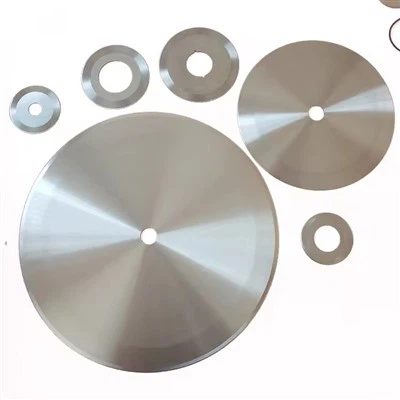
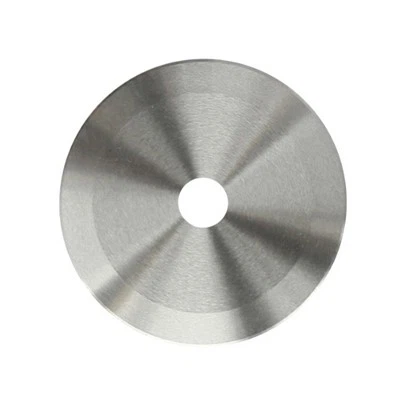
As a supplier of non - standard blades, I've often been asked whether non - standard blades require special maintenance. In this blog, I'll delve into this question, exploring the unique aspects of non - standard blades and the maintenance they might need.
Understanding Non - Standard Blades
Non - standard blades are those that do not conform to the typical, mass - produced blade specifications. They are custom - designed to meet specific industrial needs. For example, Packaging Machine Blade used in specialized packaging lines might have unique shapes, sizes, or tooth configurations. These blades are engineered to perform specific cutting tasks with high precision, such as cutting through tough materials or achieving a particular cut pattern.
Another example is the Cigarette Pack Cutting Machine Blade. In the cigarette manufacturing industry, the blades need to cut through thin paper and cardboard with extreme accuracy to ensure the proper packaging of cigarettes. These non - standard blades are crafted to meet the exacting requirements of this industry, including high - speed cutting and long - term durability.
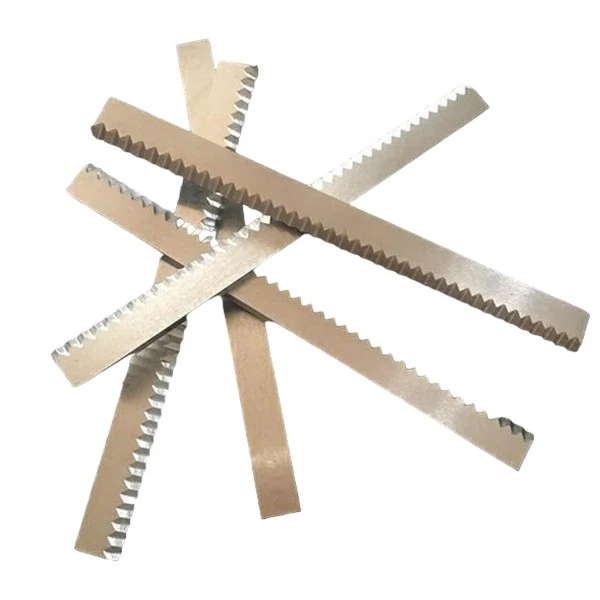

The T Type Packaging Machine Blade is also a non - standard blade. Its T - shaped design is tailored for specific packaging applications, where it might be used to create unique seals or cuts in packaging materials.
Factors Affecting Maintenance Requirements
Material and Design
The material from which non - standard blades are made plays a crucial role in determining their maintenance needs. Blades made from high - quality alloys or specialized steels are generally more durable and resistant to wear. However, they may also require specific cleaning and sharpening procedures to maintain their cutting edge. For instance, some advanced alloys can be prone to corrosion if not properly maintained, so regular cleaning and the application of anti - corrosion agents are necessary.
The design of non - standard blades can also impact maintenance. Complex blade geometries, such as those with multiple teeth or irregular shapes, can trap debris more easily. This debris can cause uneven wear on the blade, leading to a decrease in cutting performance. Therefore, more frequent cleaning is often required for blades with intricate designs.
Operating Conditions
The environment in which non - standard blades operate is another important factor. Blades used in high - speed cutting operations are subject to greater stress and heat generation. This can lead to faster wear and potential damage to the blade edge. In such cases, regular inspections for signs of overheating, such as discoloration or warping, are essential. Additionally, blades operating in dirty or dusty environments need to be cleaned more frequently to prevent abrasive particles from causing premature wear.
Special Maintenance Requirements
Cleaning
Non - standard blades often require more thorough cleaning compared to standard blades. After each use, it is recommended to remove any debris, such as chips or dust, from the blade surface. This can be done using a soft brush or compressed air. For blades that come into contact with sticky or oily substances, a mild detergent solution can be used for cleaning. However, it is important to ensure that the cleaning agent does not damage the blade material.
Sharpening
Sharpening non - standard blades is a specialized task. Due to their unique shapes and cutting edges, standard sharpening methods may not be suitable. It is often necessary to use custom - designed sharpening tools or to send the blades to a professional sharpening service. Regular sharpening helps to maintain the cutting performance of the blade and extends its lifespan.
Lubrication
In some cases, non - standard blades may require lubrication to reduce friction and heat generation during operation. Lubricants can also help to prevent corrosion and improve the overall performance of the blade. However, the type of lubricant used must be compatible with the blade material and the operating environment. For example, in food - processing applications, food - grade lubricants should be used.
Benefits of Proper Maintenance
Proper maintenance of non - standard blades offers several benefits. Firstly, it ensures consistent cutting performance. A well - maintained blade will produce clean, precise cuts, which is essential for high - quality products. Secondly, it extends the lifespan of the blade, reducing the need for frequent replacements. This can result in significant cost savings for the end - user. Finally, proper maintenance helps to prevent unexpected breakdowns and downtime, which can disrupt production processes.
Conclusion
In conclusion, non - standard blades do require special maintenance. Their unique materials, designs, and operating conditions demand a more tailored approach to maintenance. By following the appropriate cleaning, sharpening, and lubrication procedures, users can ensure the optimal performance and longevity of these blades.
If you are in need of high - quality non - standard blades or have any questions about blade maintenance, I encourage you to reach out to me. We can engage in a detailed discussion to find the best solutions for your specific needs.
References
- Industry reports on cutting tool technology
- Manufacturer's guidelines for non - standard blade maintenance