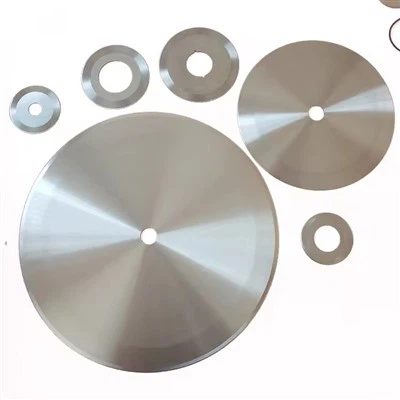
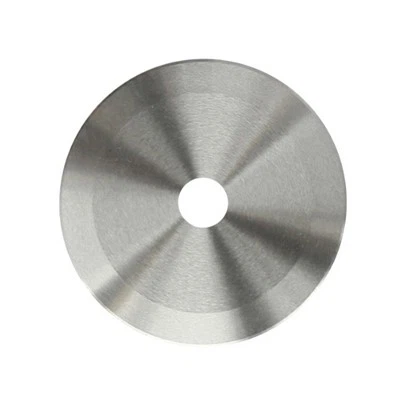
As a seasoned toothed blade supplier, I've witnessed firsthand the diverse needs and preferences of customers in various industries. One common question that often arises is how a toothed blade compares to a scroll saw blade. In this blog post, I'll delve into the characteristics, advantages, and applications of both types of blades to help you make an informed decision for your cutting needs.
Understanding Toothed Blades
Toothed blades are a versatile and widely used cutting tool in many industries. They are characterized by a series of teeth along the cutting edge, which can vary in size, shape, and spacing depending on the specific application. The teeth of a toothed blade are designed to penetrate and cut through materials by removing small chips or particles, resulting in a clean and efficient cut.
One of the key advantages of toothed blades is their ability to handle a wide range of materials, including wood, metal, plastic, and composite materials. They are available in different sizes and configurations to suit various cutting requirements, from fine precision cutting to heavy-duty rough cutting.
Toothed blades are also known for their durability and long lifespan. They are typically made from high-quality materials such as high-speed steel (HSS), carbide, or diamond, which can withstand the rigors of continuous cutting and maintain their sharpness over time. This makes them a cost-effective choice for many applications, as they require less frequent replacement compared to other types of blades.
In addition to their cutting performance, toothed blades offer several other benefits. They are relatively easy to install and use, and they can be sharpened or reconditioned when they become dull, extending their useful life even further. Toothed blades are also available in a variety of shapes and styles, including straight, curved, and circular, to accommodate different cutting angles and geometries.
Exploring Scroll Saw Blades
Scroll saw blades, on the other hand, are specifically designed for intricate and detailed cutting work. They are typically thin and flexible, with a fine-toothed edge that allows for precise cuts in a variety of materials, including wood, metal, plastic, and paper.
One of the main advantages of scroll saw blades is their ability to make curved and intricate cuts with ease. The thin and flexible design of the blade allows it to follow the contours of the material being cut, making it ideal for creating detailed patterns, shapes, and designs. Scroll saw blades are also capable of making very fine cuts, which is useful for applications such as fretwork, marquetry, and scrollwork.
Another benefit of scroll saw blades is their versatility. They can be used for a wide range of applications, from hobby and craft projects to professional woodworking and metalworking. Scroll saw blades are also available in different sizes and configurations to suit various cutting requirements, from fine precision cutting to heavy-duty rough cutting.
However, scroll saw blades also have some limitations. They are generally not as durable as toothed blades, and they may require more frequent replacement, especially when cutting hard or abrasive materials. Scroll saw blades are also more prone to breakage, especially if they are not used properly or if they are subjected to excessive stress or pressure.
Comparing Toothed Blades and Scroll Saw Blades
Now that we have a better understanding of the characteristics and advantages of toothed blades and scroll saw blades, let's compare them side by side to see how they stack up against each other.
Cutting Performance
When it comes to cutting performance, toothed blades are generally more versatile and can handle a wider range of materials and cutting applications. They are designed to make straight, clean cuts in a variety of materials, including wood, metal, plastic, and composite materials. Toothed blades are also capable of making rough cuts and can remove large amounts of material quickly and efficiently.
Scroll saw blades, on the other hand, are specifically designed for intricate and detailed cutting work. They are capable of making curved and intricate cuts with ease, and they are ideal for creating detailed patterns, shapes, and designs. Scroll saw blades are also capable of making very fine cuts, which is useful for applications such as fretwork, marquetry, and scrollwork.
Durability
In terms of durability, toothed blades are generally more robust and can withstand the rigors of continuous cutting. They are typically made from high-quality materials such as high-speed steel (HSS), carbide, or diamond, which can withstand the wear and tear of cutting hard and abrasive materials. Toothed blades are also less prone to breakage, especially if they are used properly and maintained regularly.
Scroll saw blades, on the other hand, are generally thinner and more flexible than toothed blades, which makes them more prone to breakage. They are also more likely to wear out quickly, especially when cutting hard or abrasive materials. Scroll saw blades may require more frequent replacement, which can increase the overall cost of use.
Cost
The cost of toothed blades and scroll saw blades can vary depending on the brand, quality, and size of the blade. In general, toothed blades are more expensive than scroll saw blades, especially if they are made from high-quality materials such as carbide or diamond. However, toothed blades also tend to last longer and require less frequent replacement, which can offset the initial cost over time.
Scroll saw blades, on the other hand, are generally less expensive than toothed blades. However, they may require more frequent replacement, especially if they are used for heavy-duty or continuous cutting applications. This can increase the overall cost of use over time.
Applications
Toothed blades and scroll saw blades are used in different applications based on their cutting performance and characteristics. Toothed blades are commonly used in industries such as woodworking, metalworking, plastic fabrication, and packaging. They are suitable for a wide range of cutting applications, including straight cuts, crosscuts, rip cuts, and bevel cuts.
Scroll saw blades, on the other hand, are commonly used in hobby and craft projects, as well as in professional woodworking and metalworking applications. They are ideal for creating intricate and detailed designs, such as fretwork, marquetry, and scrollwork. Scroll saw blades are also used for cutting thin materials, such as paper, cardboard, and thin plastics.
Our Toothed Blade Offerings
As a toothed blade supplier, we offer a wide range of high-quality toothed blades to meet the diverse needs of our customers. Our blades are designed and manufactured to the highest standards of quality and performance, using the latest technologies and materials.
We offer a variety of toothed blade types, including Non-standard Blades, T Type Packaging Machine Blade, Tire Trimming Blade, Harvester cutter blades, and Straight Serrated Cutting Blade. These blades are available in different sizes, shapes, and configurations to suit various cutting requirements.
Our toothed blades are made from high-quality materials such as high-speed steel (HSS), carbide, or diamond, which provide excellent cutting performance and durability. They are also designed to be easy to install and use, and they can be sharpened or reconditioned when they become dull, extending their useful life even further.
Conclusion
In conclusion, toothed blades and scroll saw blades are two different types of cutting tools that offer unique advantages and applications. Toothed blades are more versatile and can handle a wider range of materials and cutting applications, while scroll saw blades are specifically designed for intricate and detailed cutting work.
When choosing between a toothed blade and a scroll saw blade, it's important to consider your specific cutting requirements, such as the type of material you'll be cutting, the thickness of the material, the desired cutting precision, and the frequency of use. By understanding the characteristics and advantages of each type of blade, you can make an informed decision and choose the blade that best suits your needs.
If you're interested in learning more about our toothed blade offerings or have any questions about choosing the right blade for your application, please don't hesitate to contact us. Our team of experts is always available to provide you with personalized advice and support to help you make the best decision for your cutting needs.
References
- Woodworking Machinery and Tools: A Comprehensive Guide.
- Metalworking Handbook: Principles and Practices.
- Plastic Fabrication Techniques and Applications.
- Packaging Machinery and Equipment: Design and Operation.