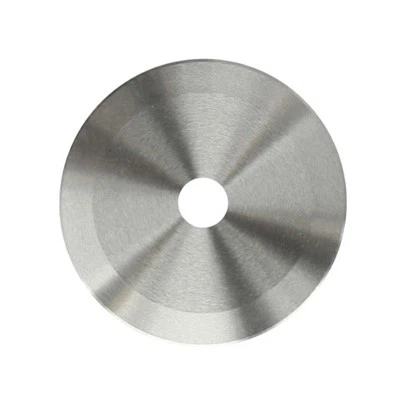
As a trusted laminating machine blade supplier, I've witnessed firsthand the intricate relationship between blade length and the overall performance of laminating machines. In this blog, I'll delve into the science behind blade length and how it impacts the efficiency, quality, and durability of laminating processes.
Understanding the Basics of Laminating Machine Blades
Before we explore the effects of blade length, let's briefly understand the role of laminating machine blades. These blades are essential components in laminating machines, responsible for cutting and trimming laminated materials with precision. Whether it's paper, plastic, or other laminates, the blade's performance directly affects the final product's quality.
The Impact of Blade Length on Cutting Efficiency
One of the primary ways blade length affects performance is through cutting efficiency. Longer blades generally cover a larger cutting area in a single pass, which can significantly reduce the number of passes required to complete a cutting job. This translates to faster production times and increased throughput. For example, in a high-volume laminating operation, a longer blade can cut multiple sheets of laminate simultaneously, saving valuable time and labor costs.
However, it's important to note that longer blades may also require more power to operate. This is because the increased length means more material is being cut at once, which can put additional strain on the machine's motor. As a result, it's crucial to ensure that the laminating machine is properly sized and powered to handle the blade length you choose.
Blade Length and Cutting Quality
In addition to efficiency, blade length also plays a crucial role in cutting quality. A longer blade can provide a smoother and more consistent cut, especially when dealing with large or irregularly shaped laminates. This is because the longer blade distributes the cutting force more evenly across the material, reducing the risk of tearing or jagged edges.
On the other hand, a shorter blade may be more suitable for precision cutting tasks. Shorter blades offer greater control and maneuverability, allowing operators to make intricate cuts with ease. For example, when cutting small labels or intricate designs, a shorter blade can provide the precision needed to achieve a high-quality finish.
Durability and Blade Length
Another important consideration when choosing a blade length is durability. Longer blades are generally more prone to wear and tear, as they are exposed to more cutting forces over a larger area. This means that longer blades may need to be replaced more frequently than shorter blades, which can increase operating costs.
To mitigate this issue, it's important to choose a high-quality blade made from durable materials. At our company, we offer a range of laminating machine blades made from premium alloys that are designed to withstand the rigors of continuous use. These blades are also heat-treated and coated to enhance their hardness and resistance to wear, ensuring a longer lifespan and better performance.
Choosing the Right Blade Length for Your Application
When choosing a blade length for your laminating machine, it's important to consider several factors, including the type of material you're cutting, the size and shape of the laminates, and the production volume. Here are some general guidelines to help you make the right decision:


- Large-scale production: If you're operating a high-volume laminating facility, a longer blade may be more suitable to increase cutting efficiency and throughput.
- Precision cutting: For tasks that require precise cuts, such as cutting small labels or intricate designs, a shorter blade may be a better choice.
- Irregularly shaped laminates: When cutting large or irregularly shaped laminates, a longer blade can provide a smoother and more consistent cut.
- Material thickness: Thicker materials may require a longer blade to ensure a clean and efficient cut.
Related Products
In addition to laminating machine blades, we also offer a range of other cutting tools, including Mask Machine Blades, Harvester Blade, and Crusher Blade. These products are designed to meet the specific needs of various industries and applications, providing high-quality cutting solutions that are both reliable and efficient.
Conclusion
In conclusion, the blade length of a laminating machine blade has a significant impact on its performance. Longer blades can offer increased cutting efficiency and smoother cuts, but they may also require more power and be more prone to wear and tear. Shorter blades, on the other hand, provide greater control and precision, making them ideal for tasks that require intricate cuts. When choosing a blade length, it's important to consider the specific needs of your application and choose a high-quality blade made from durable materials.
If you're interested in learning more about our laminating machine blades or other cutting tools, please don't hesitate to contact us. Our team of experts is available to answer any questions you may have and help you find the right solution for your needs.
References
- "Cutting Tool Technology" by Peter Childs
- "Manufacturing Engineering and Technology" by S. Kalpakjian and S. Schmid