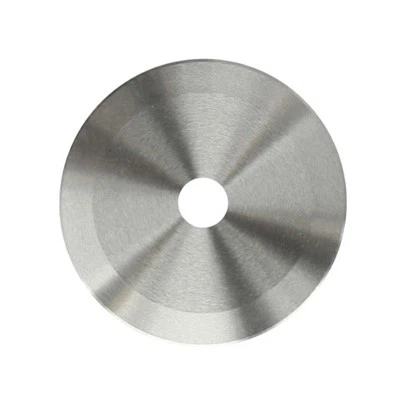
Hey there! As a supplier of packaging box knife molds, I've seen firsthand how different factors can impact the performance of these tools. One of the most crucial elements is the hardness of the cutting blade. In this blog post, I'll break down how blade hardness affects the performance of a packaging box knife mold and why it matters to you.
What is Blade Hardness?
Before we dive into how blade hardness affects performance, let's first understand what it means. Blade hardness refers to the ability of the blade to resist deformation, wear, and indentation. It's typically measured on the Rockwell scale, which assigns a numerical value to the hardness of a material. The higher the number, the harder the blade.
How Blade Hardness Affects Cutting Performance
Sharpness and Precision
A harder blade can maintain its sharpness for a longer period compared to a softer one. When cutting through packaging materials, a sharp blade is essential for achieving clean, precise cuts. Soft blades tend to dull quickly, which can lead to ragged edges, uneven cuts, and even damage to the packaging material. On the other hand, a hard blade can make smooth, accurate cuts, ensuring that your packaging boxes look professional and high - quality.
For example, if you're using a Packaging Box Knife Mold to cut through thick cardboard, a hard blade will slice through it with ease, leaving a clean edge. In contrast, a soft blade may struggle to cut through the material, resulting in a jagged and unappealing finish.
Durability
Hardness is directly related to the durability of the cutting blade. A hard blade can withstand the wear and tear of continuous cutting operations. In the packaging industry, where large volumes of boxes are produced daily, the durability of the knife mold is crucial. Soft blades are more prone to chipping, cracking, and bending under pressure. This means that you'll have to replace them more frequently, which can increase your production costs.
A hard - blade knife mold, however, can last much longer. This not only reduces the frequency of blade replacements but also minimizes downtime due to maintenance. You can keep your production line running smoothly and efficiently, saving both time and money.
Resistance to Heat
During the cutting process, friction generates heat. A blade that can't withstand high temperatures will lose its hardness and become dull more quickly. Hard blades have better heat resistance, which allows them to maintain their cutting performance even under high - speed and high - pressure cutting conditions.
For instance, in automated packaging lines where the knife mold is in constant use, the heat generated can be significant. A hard blade will remain stable and sharp, while a soft blade may warp or lose its edge due to the heat.
Finding the Right Blade Hardness for Your Needs
The ideal blade hardness depends on several factors, including the type of packaging material you're cutting, the cutting speed, and the frequency of use.
Type of Packaging Material
Different materials require different levels of blade hardness. For softer materials like thin paper or plastic films, a moderately hard blade may be sufficient. These materials don't put as much stress on the blade, so a blade with a lower hardness value can still provide good cutting performance.
However, if you're cutting through thick cardboard, corrugated paper, or even wood - based packaging materials, a harder blade is necessary. These materials are more abrasive and require a blade that can withstand the pressure without dulling or deforming.
Cutting Speed
Higher cutting speeds generate more heat and put more stress on the blade. If you're running a high - speed packaging line, you'll need a harder blade to maintain its performance. A hard blade can resist the heat and wear caused by rapid cutting, ensuring consistent quality cuts.
Frequency of Use
If your knife mold is in constant use, a hard blade is a must. Continuous cutting operations can quickly wear down a soft blade. By choosing a hard - blade knife mold, you can reduce the need for frequent blade replacements and keep your production process running smoothly.
Our Range of Knife Molds
At our company, we offer a wide range of Packaging Box Knife Molds with different blade hardness levels to meet your specific needs. We also have CNC Machining Die options that provide high precision and durability. Additionally, if you're in the leather industry, our Leather Cutting Die can offer excellent cutting performance.
Conclusion
The hardness of the cutting blade plays a vital role in the performance of a packaging box knife mold. It affects the sharpness, precision, durability, and heat resistance of the blade. By choosing the right blade hardness for your specific application, you can improve the quality of your packaging boxes, reduce production costs, and increase the efficiency of your production line.
If you're interested in learning more about our packaging box knife molds or need help choosing the right one for your business, don't hesitate to reach out. We're here to assist you in finding the perfect solution for your packaging needs. Contact us today to start a discussion about your requirements and let's work together to take your packaging production to the next level.


References
- ASM Handbook Volume 8: Mechanical Testing and Evaluation. ASM International.
- Tool and Manufacturing Engineers Handbook, 4th Edition. Society of Manufacturing Engineers.