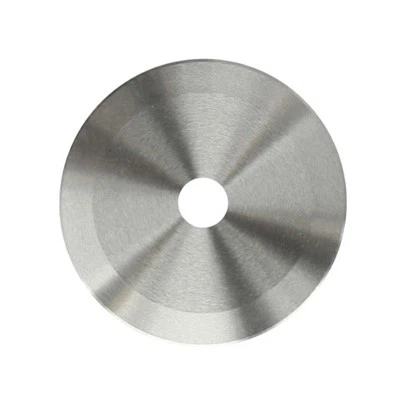
Hey there! As a professional manufacturer specializing in custom easy-tear V-notch cutting blades for flexible packaging lines, Big Brother Cutting Tool receive countless inquiries about the core design standards behind high-performance tear cutters. Today, we'll break down every critical design element that shapes reliable easy-tear blades for industrial and daily packaging applications.
The Basics of Easy - Tear Cutting Blades
First off, let me tell you what an easy - tear cutting blade is all about. These blades are designed to make it super easy to cut through materials like paper, plastic, and even some thin fabrics with minimal effort. You know how annoying it is when you're trying to open a package, and the scissors just won't cut through smoothly? That's where easy - tear cutting blades come in handy.
Sharpness: The Key to Easy Cutting
One of the most important design principles of an easy - tear cutting blade is sharpness. A sharp blade can slice through materials cleanly and with less force. It's like the difference between using a dull knife to cut a steak and a sharp one. With a sharp blade, you can make quick, precise cuts, and you're less likely to damage the material you're cutting.
To achieve the right level of sharpness, we use high - quality materials and advanced manufacturing processes. We select alloys that are known for their sharpness and durability. For example, some of the Harvester Blade models we offer are made from premium alloys that can hold an edge for a long time. This means you can use the blade over and over again without having to sharpen it constantly.

Blade Geometry
Another crucial aspect of the design is the blade geometry. The shape of the blade affects how it interacts with the material being cut. For easy - tear cutting blades, a lot of thought goes into choosing the right blade angle and curve.
A blade with the correct angle will catch the material properly and start the cutting process with ease. If the angle is too steep, it might push the material instead of cutting it. On the other hand, if the angle is too shallow, the blade might not be able to penetrate the material effectively.
The curve of the blade also matters. A slightly curved blade can follow the natural movement of your hand when cutting, making the process more comfortable and efficient. For instance, some of our Ice - clearing Blade. Ice - skating Blade designs have a gentle curve that allows for smooth, even cutting on ice.

Comfort and Ergonomics
You might not think about it, but comfort is a big deal when it comes to a cutting blade. If a blade is uncomfortable to hold, you're not going to use it effectively, and you might even get tired quickly. That's why we focus on ergonomic design.
We use handles made from materials that are comfortable to grip. Soft, rubberized grips can reduce hand fatigue, especially when you're using the blade for a long time. The shape of the handle is also designed to fit the natural contours of your hand. This way, you can maintain a good grip and control over the blade, which is essential for making precise cuts.
Durability
No one wants a blade that breaks or dulls after just a few uses. That's why durability is a top priority in our design process. We conduct extensive testing on our blades to make sure they can withstand the rigors of everyday use.
We reinforce the blade at key stress points to prevent it from chipping or bending. For example, our Crusher Blade series is built to handle heavy - duty crushing tasks while maintaining its shape and cutting edge. We also use coatings on the blades to protect them from corrosion and wear.
Safety Features
Safety is always a concern when dealing with cutting blades. Our easy - tear cutting blades are designed with several safety features. For example, some of our blades have a blunt tip to prevent accidental stabbing. We also make sure that the blade is securely attached to the handle, so it doesn't come loose during use.
Compatibility with Different Materials
One of the great things about our easy - tear cutting blades is that they can be used on a wide range of materials. Whether you're cutting through a stack of papers, a plastic film, or a thin piece of leather, our blades are up to the task.
We adjust the blade's design and material properties based on the type of material it's intended to cut. For example, blades for cutting paper might have a different edge profile compared to those for cutting plastic. This ensures that you get the best cutting performance, no matter what you're working with.
Cost - Effectiveness
We understand that cost is an important factor for our customers. That's why we strive to offer high - quality easy - tear cutting blades at a reasonable price. By optimizing our manufacturing processes and using cost - effective materials without compromising on quality, we can keep the prices down.
Customization
We also offer customization options for our easy - tear cutting blades. If you have specific requirements, such as a unique blade shape or a special coating, we can work with you to create a customized solution. This is especially useful for industrial customers who have very specific cutting needs, like those using Industrial Crusher Blades For Plastic & Recycling Machines.
Conclusion
So, there you have it! The design of an easy - tear cutting blade involves a combination of sharpness, blade geometry, comfort, durability, safety, compatibility, cost - effectiveness, and customization. We're always working on improving our designs to meet the changing needs of our customers.
If you're interested in our easy - tear cutting blades or want to discuss your specific requirements, feel free to reach out. We're here to help you find the perfect cutting solution for your needs. Whether you're a small business owner, a DIY enthusiast, or an industrial user, we've got the right blade for you.
References
- "Cutting Tool Engineering Handbook", various authors
- Industry research reports on cutting blade technology