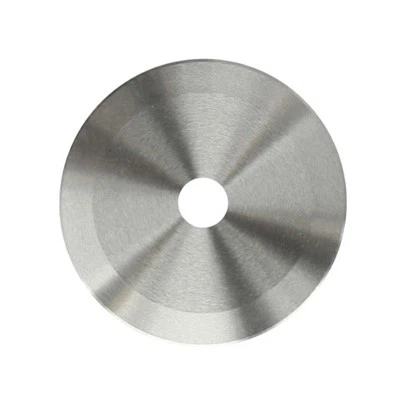
In the packaging industry, the cutting speed of a packaging machine blade is a crucial factor that directly impacts production efficiency and cost-effectiveness. As a leading supplier of packaging machine blades, we understand the significance of optimizing cutting speed and are dedicated to providing solutions that meet the diverse needs of our customers. In this blog, we will explore various strategies and techniques to increase the cutting speed of a packaging machine blade, drawing on our extensive industry experience and expertise.
Understanding the Basics of Cutting Speed
Before delving into the methods of increasing cutting speed, it is essential to understand what cutting speed is and how it is measured. Cutting speed refers to the rate at which the blade moves through the material being cut. It is typically measured in meters per minute (m/min) or feet per minute (ft/min). The cutting speed is influenced by several factors, including the type of blade, the material being cut, the machine's power and design, and the cutting conditions.
Selecting the Right Blade for the Job
One of the most critical factors in increasing cutting speed is selecting the right blade for the specific application. Different types of blades are designed to cut different materials and have varying cutting speeds and performance characteristics. Here are some common types of blades used in packaging machines and their applications:
- Toothed Blade: Toothed Blade are ideal for cutting materials with a high tensile strength, such as plastics, cardboard, and textiles. The teeth on the blade help to grip the material and prevent it from slipping, allowing for faster and more precise cuts.
-

- Tire Trimming Blade: Tire Trimming Blade are specifically designed for trimming the edges of tires during the manufacturing process. These blades are made from high-quality materials and have a sharp cutting edge, enabling them to cut through rubber quickly and efficiently.
- Straight Serrated Cutting Blade: Straight Serrated Cutting Blade are suitable for cutting a wide range of materials, including paper, film, and foil. The serrations on the blade help to reduce friction and prevent the material from sticking, resulting in faster cutting speeds and cleaner cuts.
- T Type Packaging Machine Blade: T Type Packaging Machine Blade are commonly used in packaging machines for cutting and sealing packages. These blades have a unique T-shaped design that provides excellent stability and cutting performance, allowing for high-speed operation.
-

- Harvester cutter blades: Harvester cutter blades are used in agricultural harvesters for cutting crops such as wheat, corn, and soybeans. These blades are designed to withstand high loads and abrasive conditions, ensuring long-lasting performance and high cutting speeds.
When selecting a blade, it is important to consider the material being cut, the required cutting quality, and the machine's specifications. Our team of experts can help you choose the right blade for your specific application and provide recommendations on blade geometry, material, and coating to optimize cutting speed and performance.
Optimizing Blade Geometry
The geometry of the blade plays a significant role in determining its cutting speed and performance. The following are some key aspects of blade geometry that can be optimized to increase cutting speed:
- Cutting Angle: The cutting angle of the blade refers to the angle between the cutting edge and the material being cut. A smaller cutting angle generally results in a sharper cutting edge and lower cutting forces, allowing for faster cutting speeds. However, a very small cutting angle may also reduce the blade's strength and durability. Therefore, it is important to find the optimal cutting angle for the specific application.
- Rake Angle: The rake angle is the angle between the face of the blade and a perpendicular line to the cutting edge. A positive rake angle helps to reduce friction and cutting forces, making it easier for the blade to cut through the material. This can result in higher cutting speeds and longer blade life. However, a large positive rake angle may also reduce the blade's strength and cause it to chip or break.
- Relief Angle: The relief angle is the angle between the flank of the blade and a perpendicular line to the cutting edge. A sufficient relief angle is necessary to prevent the blade from rubbing against the material being cut, reducing friction and heat generation. This can improve cutting efficiency and extend the blade's life.
- Tooth Design: For toothed blades, the tooth design can have a significant impact on cutting speed. The size, shape, and spacing of the teeth can affect the blade's ability to grip the material, remove chips, and dissipate heat. Optimizing the tooth design can help to increase cutting speed and improve cutting quality.
Our engineering team uses advanced design and simulation tools to optimize blade geometry for maximum cutting speed and performance. We can customize the blade geometry based on your specific requirements and application to ensure the best results.
Using High-Quality Blade Materials and Coatings
The material and coating of the blade also have a significant impact on its cutting speed and performance. High-quality blade materials can provide better wear resistance, hardness, and toughness, allowing the blade to maintain its sharpness and cutting performance for longer periods. Here are some common blade materials and coatings used in packaging machine blades:
- High-Speed Steel (HSS): HSS is a popular blade material due to its high hardness, toughness, and wear resistance. It can withstand high cutting speeds and temperatures, making it suitable for a wide range of applications.
- Carbide: Carbide is a very hard and wear-resistant material that is commonly used in high-performance cutting tools. Carbide blades can provide extremely high cutting speeds and long tool life, especially when cutting hard or abrasive materials.
- Ceramic: Ceramic blades are known for their excellent hardness and heat resistance. They can cut at very high speeds and produce clean, precise cuts. However, ceramic blades are relatively brittle and may require careful handling.
- Coatings: Blade coatings can further enhance the performance of the blade by reducing friction, improving wear resistance, and increasing hardness. Common blade coatings include titanium nitride (TiN), titanium carbonitride (TiCN), and aluminum titanium nitride (AlTiN).
We offer a wide range of blade materials and coatings to meet the specific needs of our customers. Our team can help you select the most suitable material and coating for your application to ensure optimal cutting speed and performance.
Maintaining and Sharpening the Blade
Proper maintenance and sharpening of the blade are essential for maintaining its cutting speed and performance. A dull or damaged blade can significantly reduce cutting speed, increase cutting forces, and produce poor-quality cuts. Here are some tips for maintaining and sharpening the blade:
- Regular Cleaning: Clean the blade regularly to remove debris, dust, and other contaminants that can accumulate on the blade surface. This can help to prevent corrosion and prolong the blade's life.
- Inspection: Regularly inspect the blade for signs of wear, damage, or dullness. Look for chips, cracks, or excessive wear on the cutting edge. If the blade shows any signs of damage, replace it immediately to prevent further damage to the machine and the material being cut.
- Sharpening: Sharpen the blade at regular intervals to maintain its sharpness and cutting performance. The frequency of sharpening depends on the type of blade, the material being cut, and the cutting conditions. We recommend using a professional blade sharpening service to ensure that the blade is sharpened correctly and to the original specifications.
Optimizing the Machine and Cutting Conditions
In addition to selecting the right blade and maintaining its sharpness, optimizing the machine and cutting conditions can also help to increase the cutting speed of a packaging machine blade. Here are some factors to consider:
- Machine Power and Speed: Ensure that the machine has sufficient power to drive the blade at the desired cutting speed. Adjust the machine's speed settings according to the type of blade, the material being cut, and the cutting requirements.
- Feed Rate: The feed rate refers to the speed at which the material is fed into the cutting area. A higher feed rate can increase the cutting speed, but it may also require a more powerful machine and a sharper blade. Find the optimal feed rate for your application to balance cutting speed and cutting quality.
- Cutting Pressure: The cutting pressure should be adjusted to ensure that the blade cuts through the material smoothly and efficiently. Too much pressure can cause the blade to wear out quickly and may damage the material being cut, while too little pressure can result in poor cutting quality and reduced cutting speed.
- Cooling and Lubrication: Cooling and lubrication can help to reduce friction and heat generation during the cutting process, which can improve cutting speed and prolong the blade's life. Depending on the application, you may need to use a coolant or lubricant to keep the blade and the material being cut cool.
Conclusion
Increasing the cutting speed of a packaging machine blade is a multi-faceted process that requires careful consideration of various factors, including blade selection, geometry optimization, material and coating choice, maintenance, and machine and cutting conditions. As a packaging machine blade supplier, we are committed to providing our customers with high-quality blades and expert advice to help them optimize their cutting processes and achieve maximum efficiency.
If you are looking to increase the cutting speed of your packaging machine blade or have any questions about our products and services, please do not hesitate to contact us. Our team of experts will be happy to assist you and provide you with customized solutions to meet your specific needs.
References
- Smith, J. (2018). Packaging Machine Technology. New York: Elsevier.
- Jones, A. (2019). Cutting Tools and Their Applications. London: Springer.
- Brown, C. (2020). Advances in Blade Design and Manufacturing. Sydney: Wiley.