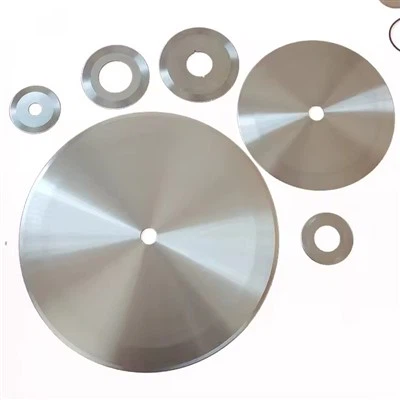
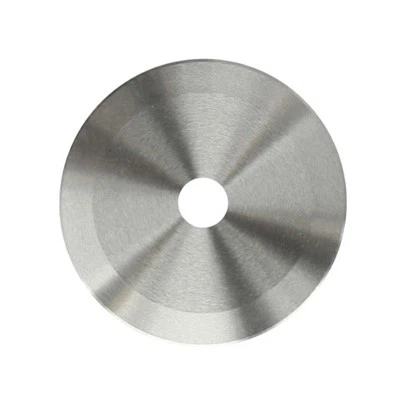
Hey there! As a supplier of meat slicer blades, I've gotten tons of questions from customers about how different factors affect the slicing process. One of the most common questions I hear is, "How does the thickness of a meat slicer blade affect slicing?" Well, let's dig into this topic and find out!
First off, let's talk about what blade thickness actually means. The thickness of a meat slicer blade refers to the measurement from one side of the blade to the other, perpendicular to the cutting edge. It's usually measured in millimeters or inches. Different thicknesses can have a significant impact on how the blade performs during slicing.
Thinner Blades: Precision and Delicate Slicing
Thinner blades, typically in the range of 0.5mm to 1.5mm, are great for precision slicing. When you're dealing with delicate meats like prosciutto or thinly sliced turkey for sandwiches, a thin blade is your best friend. Here's why:
1. Less Resistance
Thinner blades encounter less resistance when cutting through meat. This means they can glide through the meat more easily, resulting in cleaner, smoother slices. Think about trying to cut through a piece of butter with a thick knife versus a thin one. The thin knife will cut through with less effort and leave a nicer, more even surface.
2. Reduced Compression
When a blade slices through meat, it can compress the meat as it cuts. Thinner blades cause less compression, which is crucial for maintaining the texture and appearance of the meat. For example, if you're slicing a tender piece of beef for carpaccio, you want to avoid crushing the meat fibers. A thin blade will help you achieve that delicate, paper - thin slice without squishing the meat.
3. Ideal for Thin Slices
If you need to cut very thin slices, a thin blade is essential. It can make slices as thin as a few thousandths of an inch, which is perfect for charcuterie boards or for creating decorative garnishes. The precision of a thin blade allows you to control the thickness of each slice more accurately.
However, thinner blades also have their drawbacks. They are generally less durable than thicker blades. Since they are so thin, they can be more prone to bending or breaking, especially if they hit a bone or a hard object while slicing. So, you need to be extra careful when using them and make sure to handle them gently.
Thicker Blades: Strength and Tough Cutting
On the other hand, thicker blades, usually around 2mm to 3mm or more, are better suited for tougher meats and more heavy - duty slicing tasks. Here's how they shine:
1. Greater Durability
Thicker blades are more robust and can withstand more abuse. They are less likely to bend or break when cutting through tough meats like beef brisket or pork shoulder. If you're running a busy deli or a commercial kitchen where the slicer is used frequently, a thicker blade will last longer and require less frequent replacement.


2. Handling Tough Materials
When you're dealing with meats that have a lot of connective tissue or bones, a thicker blade is better equipped to handle the job. It can cut through these tougher parts more effectively without getting stuck or damaged. For example, if you're slicing a ham with a bone in it, a thick blade will be able to power through the bone and the meat without much trouble.
3. Stability
Thicker blades offer more stability during slicing. They are less likely to vibrate or wobble, which can lead to more consistent slices. This stability is especially important when making large or thick slices of meat.
But, thicker blades aren't without their cons. They can be a bit more difficult to sharpen compared to thinner blades. Also, because they are thicker, they may not be as precise when it comes to making very thin slices. They can also cause more compression of the meat, which might not be ideal for certain types of meat or presentations.
Finding the Right Balance
So, how do you decide which blade thickness is right for you? It really depends on your specific needs. If you're a home cook who mainly slices thin, delicate meats for sandwiches or appetizers, a thinner blade might be the way to go. But if you're a professional chef or running a deli, and you need to slice a variety of meats, including tough cuts, a thicker blade could be more suitable.
In some cases, you might even want to have both thin and thick blades on hand. That way, you can switch between them depending on the task at hand. For example, you could use a thin blade for making paper - thin slices of smoked salmon in the morning and then switch to a thick blade for slicing a large roast beef later in the day.
Other Related Blades
If you're interested in other types of blades, we also offer a range of specialized blades. Check out our Tire Trimming Blade, which is designed for precise tire trimming tasks. Our Rubber Cutting Saw Blade is perfect for cutting through rubber materials with ease. And if you're in the packaging industry, our V Type Packaging Machine Blades are a great choice for efficient and accurate cutting.
Conclusion and Call to Action
In conclusion, the thickness of a meat slicer blade plays a huge role in the slicing process. Whether you need precision and delicacy or strength and durability, there's a blade thickness out there for you. As a meat slicer blade supplier, we've got a wide range of blade thicknesses to meet your needs.
If you're looking to upgrade your meat slicer blades or are just starting out and need some advice on which blade thickness is right for you, don't hesitate to reach out. We're here to help you make the best choice for your slicing needs. Contact us today to start a conversation about your requirements and let's find the perfect meat slicer blades for you!
References
- "The Science of Meat Cutting", Journal of Culinary Technology
- "Blade Thickness and Its Impact on Slicing Performance", Food Service Equipment Research