Training workers to use a packaging box knife mold correctly is crucial for ensuring efficiency, safety, and high - quality production in the packaging industry. As a packaging box knife mold supplier, I have witnessed firsthand the impact of proper training on the overall performance of manufacturing operations. In this blog, I will share some key steps and strategies to train workers effectively in using these specialized tools.
Understanding the Basics of Packaging Box Knife Molds
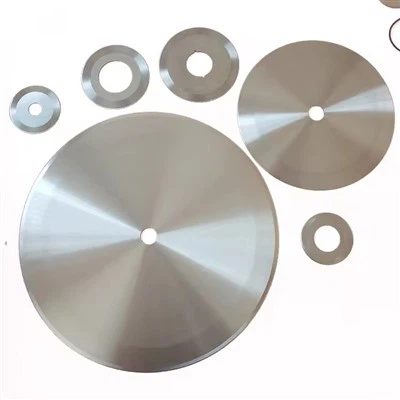
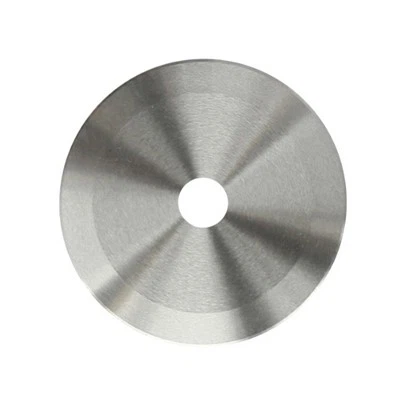
Before diving into the training process, it's essential to provide workers with a solid understanding of what a packaging box knife mold is and how it functions. A Packaging Box Knife Mold is a precision tool used to cut, score, and crease cardboard, paperboard, and other packaging materials into specific shapes and sizes. These molds are typically made from high - quality steel and are designed to withstand repeated use.
There are different types of packaging box knife molds, including flatbed knife molds and rotary knife molds. Flatbed knife molds are commonly used for small - to medium - scale production, while rotary knife molds are more suitable for high - volume, continuous production. Workers need to know the differences between these types and when to use each one.
Safety Training
Safety should always be the top priority when training workers to use packaging box knife molds. These tools are sharp and can cause serious injuries if not handled properly. Here are some safety training points to cover:
- Personal Protective Equipment (PPE): Ensure that workers understand the importance of wearing appropriate PPE, such as safety glasses, gloves, and ear protection. Safety glasses protect the eyes from flying debris, while gloves provide a better grip on the mold and protect the hands from cuts. Ear protection is necessary if the machinery generates a lot of noise.
- Machine Safety: Teach workers how to operate the machinery safely. This includes proper startup and shutdown procedures, how to use emergency stop buttons, and how to avoid getting caught in moving parts. Workers should also be trained to keep the work area clean and free of clutter to prevent tripping hazards.
- Handling the Knife Mold: Demonstrate the correct way to handle the knife mold. Workers should never touch the sharp edges of the mold with their bare hands. When installing or removing the mold, they should use the appropriate tools and follow the manufacturer's instructions.
Technical Training
Once workers have a basic understanding of the knife mold and safety procedures, it's time to move on to technical training.


- Mold Installation: Show workers how to install the packaging box knife mold correctly on the machinery. This involves aligning the mold properly, tightening the bolts or clamps securely, and making sure that the mold is centered. Incorrect installation can lead to uneven cutting, scoring, or creasing, which can affect the quality of the packaging boxes.
- Machine Settings: Teach workers how to adjust the machine settings according to the type of material being used and the specifications of the packaging box. This includes setting the cutting pressure, speed, and depth. Different materials require different settings to achieve the best results. For example, thicker cardboard may require higher cutting pressure, while thinner paperboard may need a lower speed.
- Operation and Maintenance: Train workers on how to operate the machine with the knife mold installed. They should know how to load the material, start the cutting process, and monitor the quality of the cuts. Additionally, teach them basic maintenance procedures, such as cleaning the mold regularly, lubricating the moving parts, and inspecting the mold for wear and tear.
Hands - on Practice
Hands - on practice is an essential part of the training process. Provide workers with opportunities to practice using the packaging box knife mold under the supervision of an experienced trainer. Start with simple tasks and gradually increase the complexity as they gain more confidence and skill.
During the practice sessions, the trainer should observe the workers closely and provide immediate feedback. If a worker makes a mistake, explain what went wrong and how to correct it. Encourage workers to ask questions and learn from their mistakes.
Quality Control Training
Quality control is crucial in the packaging industry. Workers need to know how to ensure that the packaging boxes produced using the knife mold meet the required quality standards.
- Inspection Criteria: Teach workers the inspection criteria for the packaging boxes. This includes checking for clean cuts, accurate scores and creases, and proper dimensions. They should also look for any signs of damage, such as tears or scratches.
- Sampling and Testing: Train workers on how to sample and test the packaging boxes. They should know how to select a representative sample from the production batch and perform basic tests, such as checking the strength of the folds and the integrity of the seams.
- Problem - Solving: Provide workers with problem - solving skills to address any quality issues that may arise. This includes identifying the root cause of the problem, coming up with possible solutions, and implementing corrective actions.
Advanced Training
For more experienced workers, advanced training can be provided to enhance their skills. This may include training on CNC Machining Die technology, which allows for more precise and complex cutting and shaping of the packaging boxes. Workers can also be trained on how to troubleshoot more complex machine problems and how to optimize the production process for maximum efficiency.
Conclusion
Training workers to use a packaging box knife mold correctly is a multi - step process that requires a combination of safety training, technical training, hands - on practice, and quality control training. By investing in proper training, companies can improve the safety of their workers, increase the efficiency of their production processes, and produce high - quality packaging boxes.
If you are interested in purchasing packaging box knife molds or need more information about our products and training services, please feel free to contact us for procurement discussions. We are committed to providing you with the best solutions for your packaging needs.
References
- "Packaging Machinery Handbook" by John A. Rizvi
- "Safety in the Workplace: A Guide for Manufacturers" by Occupational Safety and Health Administration (OSHA)
- "Advanced Manufacturing Technologies for Packaging" by various industry experts