In the industrial realm, the efficiency of rubber processing hinges significantly on the performance of rubber cutting blades. As a seasoned rubber cutting blade supplier, I've witnessed firsthand the pivotal role these blades play in determining the speed and quality of rubber cutting operations. This blog delves into the factors influencing the cutting speed of rubber cutting blades, offering insights that can help businesses optimize their rubber processing workflows.
Understanding the Basics of Rubber Cutting
Before exploring the cutting speed, it's essential to understand the nature of rubber and the cutting process. Rubber is a versatile material with varying degrees of hardness, elasticity, and viscosity. These properties can pose unique challenges when it comes to cutting. The cutting process involves applying force to the rubber using a blade, which deforms and ultimately severs the material. The speed at which this occurs depends on several factors, including the blade's design, material, and the characteristics of the rubber being cut.
Factors Affecting the Cutting Speed of Rubber Cutting Blades
Blade Design
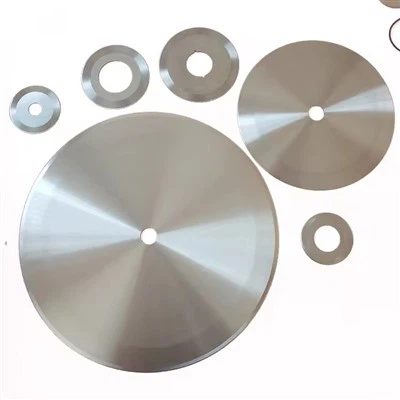
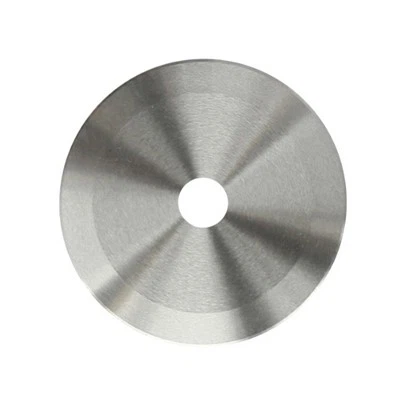
The design of a rubber cutting blade is crucial in determining its cutting speed. Blades with a sharp edge can penetrate the rubber more easily, reducing the force required for cutting and increasing the cutting speed. Additionally, the shape of the blade can influence its performance. For example, circular blades are often used in high - speed rubber cutting applications due to their ability to rotate continuously, providing a consistent cutting edge. Our Rubber Cutting Blade is designed with precision to ensure optimal cutting performance. The sharp and durable edge allows for quick and clean cuts through various types of rubber.
Blade Material
The material of the blade is another critical factor. High - quality materials such as high - speed steel (HSS), carbide, and ceramic offer superior hardness and wear resistance. HSS blades are commonly used in rubber cutting due to their good balance of hardness and toughness. Carbide blades, on the other hand, are extremely hard and can maintain their sharpness for longer periods, making them suitable for cutting hard and abrasive rubbers. Ceramic blades are known for their excellent chemical resistance and high cutting speeds, but they can be more brittle. As a supplier, we offer a range of blade materials to meet the diverse needs of our customers.
Rubber Properties
The properties of the rubber being cut have a direct impact on the cutting speed. Harder rubbers require more force to cut, which can slow down the cutting process. Similarly, rubbers with high elasticity can stretch during cutting, making it more difficult to achieve a clean cut. Viscous rubbers may also adhere to the blade, reducing the cutting efficiency. Understanding the specific properties of the rubber is essential for selecting the right blade and optimizing the cutting speed.
Cutting Machine
The type and condition of the cutting machine also play a significant role. A well - maintained and properly calibrated cutting machine can provide the necessary power and stability for high - speed cutting. Machines with high rotational speeds and precise control systems can ensure consistent and efficient cutting. For instance, our Round Packaging Machinery Blade is designed to work seamlessly with various packaging machinery, enhancing the overall cutting performance.
Measuring the Cutting Speed
The cutting speed of a rubber cutting blade is typically measured in linear speed, which is the distance the blade travels per unit of time. This can be calculated by multiplying the rotational speed of the blade (in revolutions per minute, RPM) by the circumference of the blade. For example, if a circular blade with a diameter of 100 mm is rotating at 1000 RPM, the linear speed can be calculated as follows:
Circumference = π × diameter = 3.14 × 100 mm = 314 mm
Linear speed = RPM × circumference = 1000 × 314 mm/min = 314000 mm/min = 314 m/min
However, it's important to note that the actual cutting speed may be affected by factors such as the cutting force, the thickness of the rubber, and the type of cutting operation (e.g., continuous cutting or intermittent cutting).
Optimizing the Cutting Speed
To achieve the maximum cutting speed, it's essential to optimize the entire cutting process. Here are some tips:


- Select the Right Blade: Based on the properties of the rubber, choose a blade with the appropriate design and material. Our team of experts can assist you in selecting the most suitable Rubber Cutting Blade for your specific application.
- Maintain the Blade: Regularly sharpen and clean the blade to ensure its sharpness and performance. Dull blades can significantly reduce the cutting speed and quality.
- Adjust the Cutting Parameters: Optimize the cutting force, speed, and feed rate according to the rubber properties and the blade characteristics. This may require some experimentation to find the optimal settings.
- Use High - Quality Equipment: Invest in a reliable cutting machine that can provide the necessary power and precision for high - speed cutting. Our Round Paper Cutting Blade is designed to work in conjunction with high - performance equipment to ensure efficient cutting operations.
Real - World Applications
In the rubber manufacturing industry, high - speed cutting is essential for increasing productivity and reducing costs. For example, in the production of rubber gaskets, fast and accurate cutting can significantly improve the production efficiency. In the automotive industry, rubber hoses and seals need to be cut with high precision and speed to meet the high - volume production requirements. Our rubber cutting blades have been widely used in these industries, helping our customers achieve faster cutting speeds and better product quality.
Conclusion
The cutting speed of a rubber cutting blade is influenced by multiple factors, including blade design, material, rubber properties, and the cutting machine. By understanding these factors and optimizing the cutting process, businesses can achieve faster cutting speeds, higher productivity, and better product quality. As a leading rubber cutting blade supplier, we are committed to providing high - quality blades and professional advice to help our customers meet their rubber cutting needs.
If you are looking for a reliable rubber cutting blade supplier and want to discuss your specific requirements, please feel free to contact us. We are ready to assist you in selecting the right blade and optimizing your rubber cutting operations.
References
- "Handbook of Rubber Technology" by Allan T. DiBenedetto
- "Cutting Tool Technology" by Peter Childs