Hey there! As a meat slicer blade supplier, I often get asked about the power consumption when using a meat slicer blade. It's a crucial question, especially for those in the food industry looking to manage costs and operate efficiently. So, let's dive right into it.
First off, the power consumption of a meat slicer blade isn't a one - size - fits - all answer. It depends on several factors. One of the most significant factors is the type of meat slicer. There are manual meat slicers and electric meat slicers, and their power consumption models are vastly different.
Manual meat slicers, as the name suggests, rely on human power. You turn a crank or use a lever to operate the blade. In this case, the power consumption is your physical energy. It might sound simple, but it can be quite strenuous, especially if you're slicing large quantities of meat. Manual slicers are great for small - scale operations, like home kitchens or small delis, where you don't need to slice huge amounts of meat in a short time. They're also a cost - effective option as there are no electricity bills associated with them.
On the other hand, electric meat slicers are a game - changer for commercial kitchens. These slicers use an electric motor to power the blade. The power consumption of an electric meat slicer depends on the motor's wattage. Typically, the wattage of an electric meat slicer can range from around 100 watts for small, home - use models to over 1000 watts for heavy - duty commercial ones.


Let's break down how this wattage affects power consumption. Power consumption is measured in kilowatt - hours (kWh). To calculate the power consumption of an electric meat slicer, you use the formula: Power (kWh)=Wattage (W)×Time (h)/1000. For example, if you have a 500 - watt meat slicer and you use it for 2 hours, the power consumption would be (500×2)/1000 = 1 kWh.
The time you use the meat slicer also plays a huge role in power consumption. If you're running the slicer non - stop for hours, obviously, you'll consume more electricity. In a busy restaurant or a large - scale meat processing facility, where the slicer might be in use for long periods throughout the day, the power consumption can add up quickly.
Another factor that affects power consumption is the type of meat being sliced. Tougher meats, like beef brisket or pork shoulder, require more force to slice. This means the motor has to work harder, which in turn increases power consumption. Softer meats, like chicken breast or turkey, are easier to slice and thus use less power.
The sharpness of the meat slicer blade is also crucial. A dull blade has to work harder to cut through the meat. This increased workload on the blade means the motor has to use more power to keep the blade moving. Regularly sharpening your meat slicer blade not only ensures clean, precise cuts but also helps reduce power consumption.
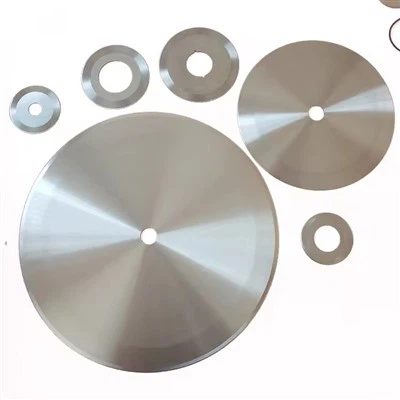
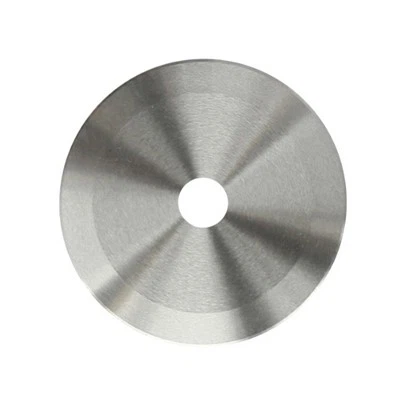
As a meat slicer blade supplier, I know that choosing the right blade can also impact power consumption. A high - quality blade is designed to cut through meat efficiently, reducing the strain on the motor. We offer a wide range of meat slicer blades that are made from top - grade materials and are engineered for maximum performance.
Now, let me tell you about some other related products. If you're in the food industry, you might also be interested in our Filling Machine Tooth Cutting Blade. These blades are perfect for filling machines and are designed to cut through various food products with ease.
For those in the film laminating industry, our Cutting Blade For Film Laminating is a must - have. These blades are sharp and durable, ensuring clean cuts every time.
And if you're dealing with rubber materials, our Rubber Cutting Saw Blade is the ideal choice. It's designed to cut through rubber efficiently, saving you time and energy.
If you're looking to optimize your power consumption and get the best performance from your meat slicer or other cutting equipment, choosing the right blade is essential. We're here to help you make the right decision. Whether you're a small business owner or a large - scale manufacturer, we can provide you with the perfect blade for your needs.
If you're interested in our products or have any questions about power consumption or blade selection, feel free to reach out. We're always happy to have a chat and discuss how we can help you with your cutting needs. Let's work together to make your operations more efficient and cost - effective.
References
- "Food Processing Machinery: Principles and Applications" by R. Paul Singh and Dennis R. Heldman
- Various industry reports on power consumption in food processing equipment.