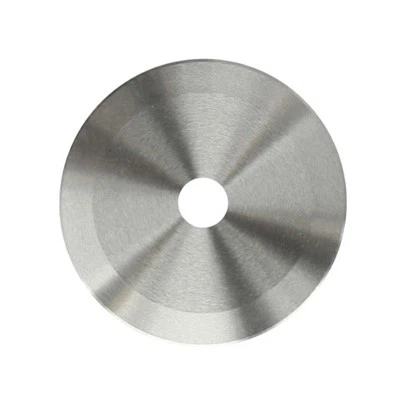
Balancing circular slitter blades is crucial for ensuring smooth and efficient cutting operations. As a supplier of circular slitter blades, I've seen firsthand the impact that proper balancing can have on the performance and longevity of these blades. In this blog, I'll share some tips on how to balance circular slitter blades effectively.
Why Balancing Matters
Before we dive into the how - to, let's talk about why balancing circular slitter blades is so important. When a blade is unbalanced, it can cause a range of problems. For starters, it leads to uneven cutting. This means that the material being cut may not have a clean, consistent edge, which can be a major issue in industries where precision is key, like packaging or rubber manufacturing.
Unbalanced blades also put extra stress on the cutting equipment. This can lead to increased wear and tear on the machinery, resulting in more frequent breakdowns and higher maintenance costs. In addition, the vibrations caused by an unbalanced blade can be a safety hazard, potentially causing the equipment to malfunction and putting operators at risk.
Understanding Blade Imbalance
There are two main types of imbalance in circular slitter blades: static imbalance and dynamic imbalance.
Static imbalance occurs when the center of gravity of the blade does not coincide with the axis of rotation. This can happen if the blade has uneven weight distribution, perhaps due to manufacturing defects or wear on one side of the blade. You can think of it like a spinning top that is lopsided; it will wobble as it spins.
Dynamic imbalance is a bit more complex. It happens when the blade has a couple imbalance, which means that there are forces acting on the blade that cause it to rotate in an irregular way. This type of imbalance is often more difficult to detect and correct than static imbalance, as it requires a more in - depth analysis of the blade's movement.


Steps to Balance Circular Slitter Blades
Step 1: Inspection
The first step in balancing circular slitter blades is to thoroughly inspect the blade. Look for any signs of damage, such as chips, cracks, or uneven wear. These issues can contribute to imbalance and may need to be addressed before you can properly balance the blade. You can also use a simple visual inspection to check for obvious signs of uneven weight distribution, like a thicker or heavier section on one side of the blade.
Step 2: Measuring Imbalance
There are several tools available for measuring blade imbalance. One common method is to use a balancing machine. These machines can accurately measure both static and dynamic imbalance by spinning the blade and analyzing its movement. Another option is to use a vibration analyzer, which can detect the vibrations caused by an unbalanced blade and provide data on the severity and location of the imbalance.
Step 3: Correcting Imbalance
Once you've measured the imbalance, it's time to correct it. There are a few different ways to do this.
- Adding or Removing Weight: One of the most common methods is to add or remove weight from the blade. If the blade is heavier on one side, you can remove a small amount of material from that side using a grinding wheel or other machining tools. Conversely, if a side is lighter, you can add a small weight, such as a metal clip or a bit of adhesive - backed weight.
- Adjusting the Mounting: Sometimes, the imbalance can be corrected by adjusting the way the blade is mounted on the cutting equipment. Make sure that the blade is properly centered and tightened on the shaft. A loose or misaligned blade can cause imbalance, so double - check the mounting hardware and make any necessary adjustments.
Step 4: Re - checking
After you've made the corrections, it's important to re - check the balance of the blade. Use the same measuring tools as before to ensure that the imbalance has been reduced to an acceptable level. If the blade is still unbalanced, you may need to repeat the correction process until it meets the required specifications.
Maintaining Blade Balance
Balancing circular slitter blades isn't a one - time thing. To keep your blades performing at their best, you need to maintain their balance over time.
- Regular Inspections: Conduct regular inspections of your blades to catch any signs of imbalance early. Look for changes in cutting performance, such as rough edges or uneven cuts, which could indicate that the blade is becoming unbalanced.
- Proper Storage: Store your blades in a proper environment to prevent damage and maintain their balance. Keep them in a clean, dry place, and use protective covers to prevent them from getting scratched or dented.
- Follow Manufacturer's Guidelines: Always follow the manufacturer's guidelines for using and maintaining your circular slitter blades. This includes proper installation, cutting speeds, and maintenance schedules.
Our Range of Circular Slitter Blades
As a supplier of circular slitter blades, we offer a wide range of products to meet different cutting needs. Our Rubber Cutting Blade is designed specifically for cutting rubber materials with precision and efficiency. We also have a Rubber Cutting Blade that is manufactured in our state - of - the - art factory, ensuring high - quality and consistent performance. And if you're in the packaging industry, our Round Packaging Machinery Blade is a great choice for your cutting operations.
Contact Us for Your Blade Needs
If you're looking for high - quality circular slitter blades or need help with blade balancing, we're here to assist you. Our team of experts has years of experience in the industry and can provide you with the best solutions for your cutting requirements. Whether you're a small business or a large corporation, we can offer you the right blades at competitive prices. Don't hesitate to reach out to us for a consultation and let's start a great business relationship!
References
- "Cutting Tool Engineering Handbook" by Eugene A. Avallone and Theodore Baumeister III
- "Handbook of Metal Cutting and Machine Tools" by Peter K. Wright and David A. Dewhurst