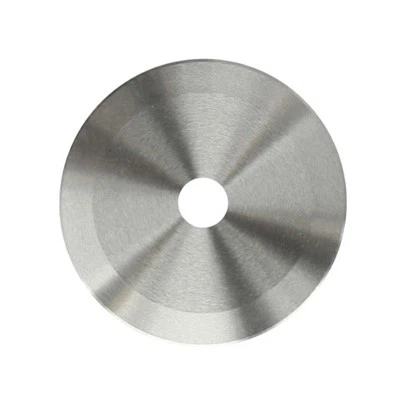
Are there any anti - corrosion rubber cutting blades?
As a supplier of rubber cutting blades, I often encounter inquiries from customers about the anti - corrosion properties of these blades. In the industrial cutting field, especially when dealing with rubber materials, the performance and durability of cutting blades are crucial. Anti - corrosion is an important factor that affects the service life and cutting quality of the blades.
The Need for Anti - Corrosion Rubber Cutting Blades
Rubber cutting operations can take place in various environments. Some industrial settings may expose the cutting blades to moisture, chemicals, or other corrosive substances. For example, in the rubber manufacturing process, the blades may come into contact with rubber compounds that contain certain additives or solvents. These substances can gradually corrode the blade surface over time, leading to a decrease in cutting performance. A corroded blade may have a dull edge, which can cause uneven cuts, increase the force required for cutting, and even damage the rubber material being cut.
Moreover, in humid or marine environments, the risk of corrosion is even higher. Moisture in the air can react with the metal of the blade, forming rust. Rust not only weakens the structural integrity of the blade but also affects its cutting precision. Therefore, there is a clear need for anti - corrosion rubber cutting blades to ensure long - term and efficient cutting operations.
Anti - Corrosion Technologies for Rubber Cutting Blades
Material Selection
One of the fundamental ways to achieve anti - corrosion in rubber cutting blades is through proper material selection. Stainless steel is a popular choice for anti - corrosion blades. It contains chromium, which forms a passive oxide layer on the surface of the blade. This layer acts as a barrier, preventing oxygen and moisture from reaching the underlying metal and thus inhibiting corrosion. For example, 304 and 316 stainless steels are commonly used in blade manufacturing. 316 stainless steel has a higher molybdenum content, which provides better resistance to pitting and crevice corrosion, making it suitable for more corrosive environments.
Surface Coating
Another effective method is surface coating. There are several types of coatings that can be applied to rubber cutting blades to enhance their anti - corrosion properties. One common coating is titanium nitride (TiN). TiN coating is hard and has good chemical stability. It can protect the blade surface from chemical attacks and abrasion. The coating also reduces friction during cutting, which can improve the cutting efficiency and extend the blade life.
Diamond - like carbon (DLC) coating is another option. DLC coatings have excellent wear resistance and low friction coefficients. They can also provide good anti - corrosion protection. The smooth surface of the DLC coating reduces the adhesion of rubber particles and corrosive substances, further preventing corrosion.
Heat Treatment
Heat treatment can also play a role in improving the anti - corrosion performance of rubber cutting blades. By carefully controlling the heat treatment process, the internal structure of the blade material can be optimized. This can enhance the blade's resistance to corrosion by improving its hardness and toughness. For example, quenching and tempering can refine the grain structure of the metal, making it more resistant to corrosion.
Our Anti - Corrosion Rubber Cutting Blades
As a professional rubber cutting blade supplier, we offer a wide range of anti - corrosion blades. Our blades are made from high - quality stainless steel materials, ensuring a solid foundation for anti - corrosion performance. We also use advanced surface coating technologies to further enhance the protection of the blades.
Our Rubber Cutting Blade products have been tested in various industrial environments. Whether it is in a chemical - rich rubber manufacturing plant or a humid coastal area, our blades have shown excellent anti - corrosion capabilities. They can maintain a sharp cutting edge for a long time, providing consistent and high - quality cutting results.
In addition to rubber cutting blades, we also supply other types of cutting blades, such as Round Paper Cutting Blade and Round Packaging Machinery Blade. These blades also benefit from our anti - corrosion technologies, ensuring reliable performance in their respective applications.
Advantages of Our Anti - Corrosion Blades
Cost - Effectiveness
Although anti - corrosion blades may have a slightly higher initial cost, they offer significant cost - savings in the long run. The extended service life of our anti - corrosion rubber cutting blades means less frequent blade replacement. This reduces the overall cost of blade procurement and also minimizes the downtime associated with blade changes, improving the productivity of the cutting operations.
High - Quality Cutting
Our anti - corrosion blades can maintain a sharp cutting edge, which is essential for achieving high - quality cuts. Whether it is cutting soft rubber sheets or hard rubber profiles, our blades can provide clean and precise cuts, reducing waste and improving the quality of the final products.
Conclusion
In conclusion, there are indeed anti - corrosion rubber cutting blades available in the market. Through proper material selection, surface coating, and heat treatment, we can produce blades that are highly resistant to corrosion. As a supplier, we are committed to providing our customers with the best anti - corrosion rubber cutting blades. If you are in need of high - quality cutting blades for your rubber cutting operations, we invite you to contact us for procurement and further discussions. We are confident that our products can meet your requirements and help you achieve efficient and long - lasting cutting performance.


References
- ASM Handbook Volume 13A: Corrosion: Fundamentals, Testing, and Protection. ASM International.
- Metals Handbook Desk Edition, Third Edition. ASM International.
- "Surface Engineering for Corrosion and Wear Resistance" by M. P. Seah and S. K. Chatterjee.