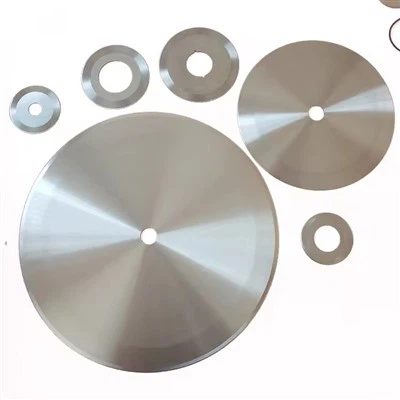
Hey there! As a knife mold supplier, I've seen my fair share of dirty and grimy knife molds. Cleaning a knife mold is crucial to maintain its performance and extend its lifespan. In this blog post, I'll share some tips on how to clean a knife mold effectively.
Why Cleaning a Knife Mold is Important
Before we dive into the cleaning process, let's talk about why it's so important to keep your knife mold clean. Over time, debris, dust, and residue can build up on the surface of the mold. This buildup can affect the quality of the knives produced, leading to uneven cuts, rough edges, and other defects. A dirty mold can also cause premature wear and tear on the cutting edges, reducing the overall lifespan of the knives.


Moreover, if the mold is used in food processing or other industries where hygiene is a concern, a dirty mold can pose a health risk. Bacteria and other contaminants can thrive in the crevices of a dirty mold, potentially contaminating the products being produced.
Tools and Materials You'll Need
To clean a knife mold, you'll need a few basic tools and materials:
- Soft-bristled brush: This is used to gently scrub away loose debris and dirt from the surface of the mold.
- Cleaning solution: You can use a mild detergent or a specialized mold cleaner. Make sure the cleaner is safe to use on the material of your knife mold.
- Microfiber cloths: These are great for wiping down the mold and drying it after cleaning.
- Protective gloves: To protect your hands from the cleaning solution and any sharp edges on the mold.
- Toothpicks or small picks: These can be used to clean hard-to-reach areas and remove stubborn debris.
Step-by-Step Cleaning Process
Now, let's get into the actual cleaning process. Here's a step-by-step guide on how to clean a knife mold:
Step 1: Prepare the Work Area
First, find a clean and well-ventilated area to work in. Lay down a clean cloth or a drop cloth to protect the surface you're working on. Put on your protective gloves to avoid any contact with the cleaning solution.
Step 2: Remove Loose Debris
Use a soft-bristled brush to gently sweep away any loose debris, dust, or chips from the surface of the knife mold. Pay special attention to the cutting edges and any intricate details of the mold. Be careful not to scratch the surface of the mold while brushing.
Step 3: Prepare the Cleaning Solution
Fill a container with warm water and add a small amount of the cleaning solution. Follow the instructions on the cleaner's label for the correct dilution ratio. Stir the solution gently to mix it well.
Step 4: Soak the Mold (Optional)
If the mold is extremely dirty or has a lot of stubborn residue, you can soak it in the cleaning solution for a short period. However, make sure the material of the mold is compatible with soaking. Some molds may be damaged by prolonged exposure to water or certain cleaning agents.
Step 5: Scrub the Mold
Dip the soft-bristled brush into the cleaning solution and start scrubbing the surface of the mold. Use gentle, circular motions to remove the dirt and residue. Focus on the areas that are the dirtiest, such as the cutting edges and the corners of the mold. For hard-to-reach areas, you can use a toothpick or a small pick to carefully remove any debris.
Step 6: Rinse the Mold
Once you've scrubbed the entire surface of the mold, rinse it thoroughly with clean water. Make sure to remove all traces of the cleaning solution. You can use a hose or a bucket of clean water to rinse the mold.
Step 7: Dry the Mold
Use a microfiber cloth to dry the knife mold completely. Make sure there is no moisture left on the surface, as this can lead to rust or corrosion. You can also let the mold air dry for a few hours if necessary.
Step 8: Inspect the Mold
After the mold is dry, inspect it carefully to make sure it's clean and free of any remaining debris or damage. Check the cutting edges to ensure they are sharp and in good condition. If you notice any issues, such as dull edges or scratches, you may need to take additional steps to repair or sharpen the mold.
Maintenance Tips
To keep your knife mold clean and in good condition, here are some maintenance tips:
- Regular cleaning: Make it a habit to clean your knife mold after each use or at regular intervals, depending on how often it's used.
- Proper storage: Store the knife mold in a clean, dry place to prevent dust and debris from accumulating on it. You can use a storage case or a protective cover to keep the mold safe.
- Lubrication: Apply a small amount of lubricant to the cutting edges of the mold to prevent rust and ensure smooth operation. Make sure to use a lubricant that is compatible with the material of the mold.
- Inspection: Regularly inspect the knife mold for any signs of wear and tear, such as dull edges, cracks, or chips. If you notice any issues, address them promptly to avoid further damage.
Different Types of Knife Molds and Their Cleaning Considerations
As a knife mold supplier, I deal with various types of knife molds, each with its own unique cleaning requirements. Here are some common types of knife molds and how to clean them:
Cross-cut Knife. Woodworking Plane Blade
Cross-cut knives and woodworking plane blades are often used in the woodworking industry. These molds are typically made of high-quality steel and require special care when cleaning. When cleaning a Cross-cut Knife. Woodworking Plane Blade, make sure to use a cleaning solution that is safe for steel. Avoid using abrasive cleaners or brushes that can scratch the surface of the blade. After cleaning, dry the blade thoroughly and apply a light coat of oil to prevent rust.
Tools For Multi-column Packaging Machines
Tools for multi-column packaging machines are used to cut and shape packaging materials. These molds are usually made of plastic or metal and may have intricate designs. When cleaning Tools For Multi-column Packaging Machines, use a mild detergent and a soft brush to avoid damaging the mold. Pay special attention to the small holes and channels in the mold, as these can easily become clogged with debris. Rinse the mold thoroughly and dry it completely before using it again.
CNC Machining Die
CNC machining dies are used to create precise shapes and cuts in various materials. These molds are often made of hardened steel and require careful cleaning to maintain their accuracy. When cleaning a CNC Machining Die, use a cleaning solution that is specifically designed for metal molds. Follow the manufacturer's instructions for cleaning and maintenance. After cleaning, inspect the die for any signs of wear or damage and make any necessary repairs.
Conclusion
Cleaning a knife mold is an important part of maintaining its performance and longevity. By following the steps outlined in this blog post and using the right tools and materials, you can keep your knife mold clean and in good condition. Remember to clean your mold regularly, store it properly, and perform routine maintenance to ensure optimal performance.
If you're in the market for high-quality knife molds or have any questions about knife mold cleaning and maintenance, feel free to reach out to us. We're here to help you find the right solutions for your needs. Contact us today to start a conversation about your knife mold requirements.
References
- "Knife Mold Maintenance Guide" - Industry publication
- "Best Practices for Cleaning Metal Molds" - Online resource