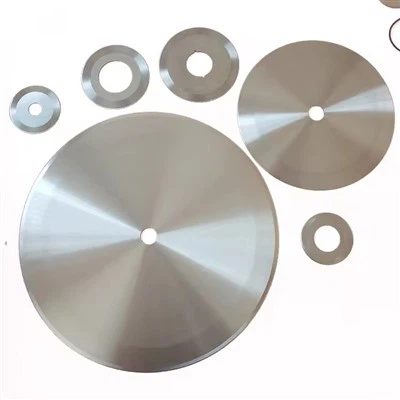
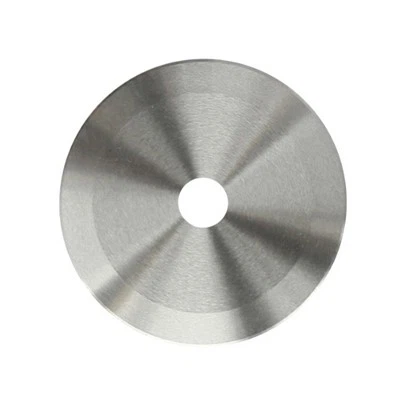
As a supplier of non - standard blades, I've often been asked whether non - standard blades are affected by humidity. In this blog, I'll dive deep into this topic, exploring the science behind it, the potential impacts on different types of non - standard blades, and how to mitigate any negative effects.
The Science of Humidity and Its Interaction with Blades
Humidity refers to the amount of water vapor present in the air. When humidity levels are high, the air contains a significant amount of water molecules. These water molecules can interact with the materials that non - standard blades are made of, such as steel, carbide, or ceramic.
Metals, like the steel commonly used in blade manufacturing, are prone to oxidation when exposed to water. Oxidation, often referred to as rust, occurs when the metal reacts with oxygen in the presence of water. The higher the humidity, the more water is available for this reaction to take place. For example, in a coastal area where the humidity can be consistently high, metal blades left exposed will start to show signs of rust much faster compared to blades stored in a dry environment.


Ceramic and carbide blades are generally more resistant to oxidation than metal blades. However, high humidity can still have an impact on them. Water vapor can penetrate small pores or micro - cracks in the ceramic or carbide material, which may lead to a weakening of the blade's structure over time. This can cause the blade to become more brittle and prone to chipping or breaking during use.
Impact on Different Types of Non - Standard Blades
Tire Trimming Blade
The Tire Trimming Blade is designed to cut through rubber, which requires a blade with sharp edges and good durability. High humidity can cause the steel blade to rust, which not only affects the appearance but also the performance. Rust can make the blade's edge dull, reducing its cutting efficiency. As a result, more force may be required to trim the tire, and the quality of the cut may be compromised. Additionally, if the rust spreads, it can weaken the blade's overall structure, increasing the risk of blade failure during operation.
Dotted Paper Cutting Blade
Dotted Paper Cutting Blades are used in the paper industry, where precision cutting is crucial. These blades are often made of high - carbon steel or carbide. In a high - humidity environment, the steel blades can rust, and the carbide blades may experience micro - structural changes. Rust on a steel blade can cause the blade to stick to the paper, leading to uneven cuts or paper jams. For carbide blades, the weakening caused by humidity can result in the blade chipping, which will affect the quality of the dotted cuts on the paper.
Sealing Machine Blade
The Sealing Machine Blade is used to cut and seal various materials, such as plastics and films. Humidity can impact the blade's performance in several ways. If the blade is made of metal, rust can form on the cutting edge, making it difficult to achieve a clean cut. This can lead to uneven seals, which may compromise the integrity of the packaged product. For ceramic sealing machine blades, humidity - induced brittleness can cause the blade to break during the sealing process, resulting in production downtime and increased costs.
Mitigating the Effects of Humidity
To protect non - standard blades from the negative effects of humidity, several measures can be taken.
Storage
Proper storage is essential. Blades should be stored in a dry environment with controlled humidity levels. Using dehumidifiers in the storage area can help maintain a low - humidity atmosphere. Blades can also be stored in sealed containers with desiccant packs to absorb any moisture. For example, silica gel desiccants are commonly used as they are effective at removing water vapor from the air.
Coating
Applying a protective coating to the blades can provide an additional layer of defense against humidity. There are various types of coatings available, such as epoxy coatings or nitride coatings. These coatings can prevent water molecules from coming into direct contact with the blade material, reducing the risk of oxidation or other humidity - related damage.
Regular Maintenance
Regular maintenance of the blades is crucial. This includes cleaning the blades after use to remove any moisture or contaminants. Blades should be dried thoroughly before storage. Additionally, periodic inspections should be carried out to check for signs of rust or damage. If any issues are detected, appropriate measures should be taken, such as sharpening the blade or replacing it if necessary.
Conclusion
In conclusion, non - standard blades are indeed affected by humidity. Whether it's a Tire Trimming Blade, Dotted Paper Cutting Blade, or Sealing Machine Blade, high humidity can have a negative impact on their performance and durability. However, by understanding the science behind humidity and blade interaction and implementing appropriate mitigation strategies, such as proper storage, coating, and regular maintenance, the effects of humidity can be minimized.
If you're in the market for high - quality non - standard blades, we're here to provide you with the best products. Our blades are designed to meet the most demanding requirements, and we can offer expert advice on how to protect them from humidity and other environmental factors. Contact us for more information and to discuss your specific blade needs. We look forward to partnering with you for all your non - standard blade requirements.
References
- "Corrosion of Metals in Atmospheric Environments" by NACE International
- "Materials Science and Engineering: An Introduction" by William D. Callister, Jr. and David G. Rethwisch