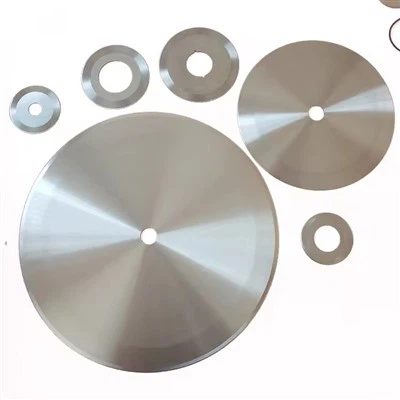
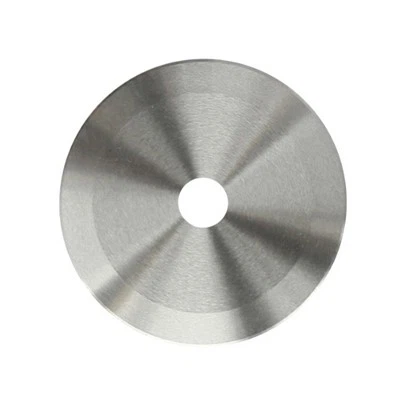
Hey there! As a supplier of rubber cutting blades, I'm super stoked to share with you how to install these bad boys. Whether you're a DIY enthusiast or a professional in the industry, getting the installation right is crucial for smooth and efficient cutting operations.
First things first, let's talk about why you'd even need to install a rubber cutting blade. Well, over time, blades can wear out. The constant friction from cutting through rubber can dull the edge, making it less effective. When that happens, replacing the blade is the way to go. And that's where we come in. We offer top - notch Rubber Cutting Blade that are designed to last and perform at their best.
Tools You'll Need
Before you start the installation process, gather the necessary tools. You'll typically need a wrench, a screwdriver (either flat - head or Phillips, depending on your machine), and a pair of safety gloves. Safety should always be your top priority, so don't skip out on the gloves. They'll protect your hands from any sharp edges on the old blade or the machine itself.


Pre - installation Checks
Once you've got your tools ready, it's time to do some pre - installation checks. First, make sure the machine is turned off and unplugged. You don't want any accidental starts while you're working on it. Next, take a good look at the new blade. Check for any visible damage, like chips or cracks. If you find any, don't use it. Just contact us, and we'll get you a replacement right away.
Removing the Old Blade
Now, let's get to removing the old blade. This step can vary depending on the type of machine you're using. In most cases, you'll need to locate the blade holder. This is usually a metal or plastic part that holds the blade in place. Use your wrench or screwdriver to loosen the bolts or screws that are securing the blade holder. Once they're loose, carefully remove the old blade. Be extra careful as the blade might still be sharp, even if it's dulled from use.
Installing the New Blade
With the old blade out of the way, it's time to install the new one. Line up the new Rubber Cutting Blade with the blade holder. Make sure it fits snugly and that the holes in the blade align with the holes in the holder. Once it's in the right position, start tightening the bolts or screws. But don't go crazy with the tightening. You want it to be secure, but overtightening can damage the blade or the holder. Use your wrench or screwdriver to gently tighten the fasteners until they're snug.
Post - installation Checks
After you've installed the new blade, it's important to do some post - installation checks. First, visually inspect the blade to make sure it's installed correctly. Check that it's straight and that there are no gaps between the blade and the holder. Then, turn the machine on (but without any rubber in it yet) and let it run for a few seconds. Listen for any strange noises. If you hear anything unusual, like rattling or grinding, turn the machine off immediately. This could indicate that the blade isn't installed properly.
Test Cutting
Once you're satisfied with the post - installation checks, it's time for a test cut. Grab a small piece of rubber and feed it into the machine at a slow and steady pace. Watch how the blade cuts through the rubber. It should make a clean, smooth cut. If the cut is jagged or if the rubber gets stuck, there might be an issue with the blade installation. In that case, turn off the machine and double - check the installation.
Different Types of Rubber Cutting Blades
We also offer different types of rubber cutting blades to suit various needs. For example, our Round Paper Cutting Blade can also be used in some rubber - cutting applications where a more precise cut is required. These blades are designed with a sharp, circular edge that can make clean cuts through thin rubber sheets.
If you're working with larger rubber pieces or need a blade for a packaging machine that deals with rubber products, our Round Packaging Machinery Blade is a great option. These blades are built to handle heavier loads and can cut through thicker rubber materials with ease.
Maintenance Tips
To make your rubber cutting blade last longer, regular maintenance is key. After each use, clean the blade with a soft cloth to remove any rubber residue. You can also use a mild detergent if the residue is stubborn. Store the blade in a dry place to prevent rusting. And if you're not going to use the machine for an extended period, consider removing the blade and storing it separately.
Why Choose Our Blades
We take pride in being a leading supplier of rubber cutting blades. Our blades are made from high - quality materials that are designed to withstand the rigors of rubber cutting. We have a team of experts who are constantly working on improving our blade designs to ensure better performance and longer lifespan. Plus, we offer great customer service. If you have any questions about installation, maintenance, or just need advice on which blade to choose, we're here to help.
Contact Us for Purchasing
If you're in the market for a new rubber cutting blade, or you have any questions about the installation process, don't hesitate to reach out. We're always happy to assist you in finding the right blade for your needs. Whether you're a small business or a large industrial operation, we've got the blades to suit your requirements. Just head over to our website and explore our range of Rubber Cutting Blade options.
References
- Machinery manuals for rubber cutting machines
- Industry best practices for blade installation and maintenance