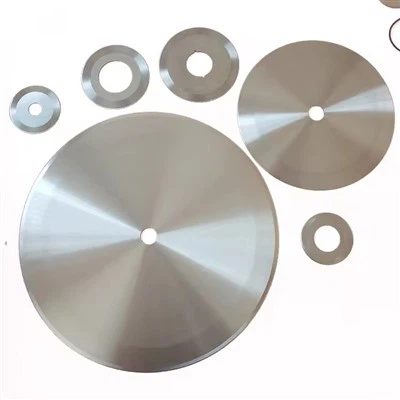
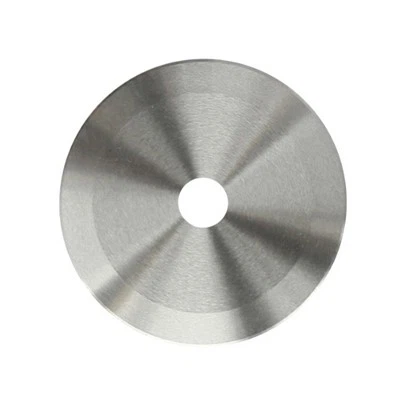
Hey there! As a supplier of charter machine blades, I've seen firsthand how important it is to accurately measure these blades. Whether you're a manufacturer looking to replace a worn - out blade or a new business in need of the right blade for your charter machine, getting the measurements right is crucial. In this blog, I'll walk you through the steps on how to measure the size of a charter machine blade.
Why Accurate Measurements Matter
Before we dive into the measurement process, let's talk about why it's so important to get accurate measurements. A blade that's too big or too small can cause a whole host of problems. If the blade is too large, it might not fit properly in the machine, leading to instability and potentially damaging the equipment. On the other hand, a blade that's too small won't perform as effectively, resulting in poor cutting quality and reduced productivity. So, taking the time to measure correctly can save you a lot of headaches down the line.
Tools You'll Need
To measure a charter machine blade, you'll need a few basic tools. A good quality ruler or caliper is essential. A ruler is great for measuring larger dimensions, while a caliper can give you more precise measurements, especially for smaller parts of the blade. You might also want to have a marker on hand to mark the points you're measuring, making it easier to get an accurate reading.
Measuring the Length
The first dimension you'll want to measure is the length of the blade. Place the blade on a flat surface and align the ruler or caliper with one end of the blade. Make sure it's straight and not at an angle. Then, measure from the tip of the blade to the opposite end. Write down this measurement. It's important to measure the overall length, including any teeth or serrations at the edges.
Measuring the Width
Next up is the width. The width of the blade is measured at its widest point. For most charter machine blades, this is usually in the middle section. Place the ruler or caliper across the blade at this point and take the measurement. Just like with the length, make sure the measuring tool is straight and parallel to the edges of the blade.
Measuring the Thickness
Thickness is another crucial dimension. Using a caliper is the best way to measure the thickness accurately. Open the caliper jaws and place them on either side of the blade at a central point. Gently close the jaws until they touch the blade on both sides. Read the measurement on the caliper scale. This measurement is important because it affects the blade's strength and durability.
Measuring the Tooth Pitch (if applicable)
Some charter machine blades have teeth or serrations. If your blade has teeth, you'll need to measure the tooth pitch. The tooth pitch is the distance between the centers of two adjacent teeth. To measure this, place the caliper on the centers of two teeth and take the measurement. You can also measure the number of teeth per inch (TPI). To do this, count the number of teeth within a one - inch section of the blade.
Measuring the Bore Size
If the blade has a hole in the center (the bore), you'll need to measure the bore size. Use a caliper to measure the diameter of the bore. Place the caliper jaws inside the bore and open them until they touch the inner walls of the hole. Read the measurement on the caliper. The bore size is important because it determines how the blade will fit onto the machine's spindle.
Special Considerations
Some charter machine blades have unique shapes or features. For example, there are T Type Packaging Machine Blade which may have a specific curvature or angle. In these cases, you might need to use additional tools or techniques to measure accurately. You can use a protractor to measure angles or a template to check the curvature.
Double - Checking Your Measurements
Once you've taken all the measurements, it's a good idea to double - check them. Measure each dimension again to make sure you get the same result. Small errors in measurement can lead to big problems when it comes to fitting the blade in your machine.
Comparing with Specifications
After you've got all your measurements, compare them with the specifications provided by the machine manufacturer or the original blade. If there are any discrepancies, you might need to re - measure or consult with an expert.


Measuring Different Types of Charter Machine Blades
There are various types of charter machine blades, such as Packaging Machine Blade and Rubber Cutting Saw Blade. Each type may have slightly different measurement requirements.
For packaging machine blades, in addition to the basic length, width, thickness, and bore size, you may need to measure the shape of the cutting edge. Some packaging machine blades have a beveled edge, and you'll need to measure the angle of this bevel. You can use a protractor to measure the angle accurately.
Rubber cutting saw blades often have unique tooth designs. When measuring these blades, pay special attention to the tooth shape and size. The depth of the teeth and the angle at which they are set can affect the cutting performance. Use a caliper to measure the depth of the teeth and a protractor to measure the tooth angle.
Conclusion
Measuring the size of a charter machine blade is not as complicated as it might seem. With the right tools and a bit of patience, you can get accurate measurements. Remember, taking the time to measure correctly can save you time and money in the long run.
If you're in the market for a new charter machine blade and need help with measurements or have any questions about our products, don't hesitate to reach out. We're here to assist you in finding the perfect blade for your needs. Whether you need a T Type Packaging Machine Blade, Packaging Machine Blade, or Rubber Cutting Saw Blade, we've got you covered. Contact us to start the procurement process and let's get your charter machine running smoothly!
References
- "Handbook of Measuring Tools and Techniques"
- Manufacturer's guides for charter machine blades