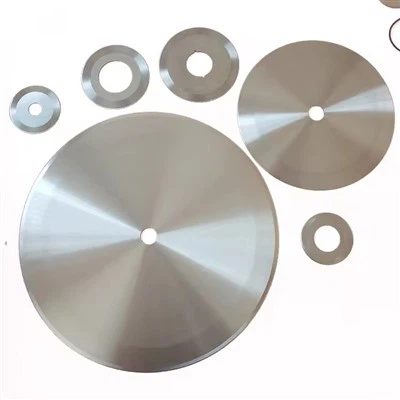
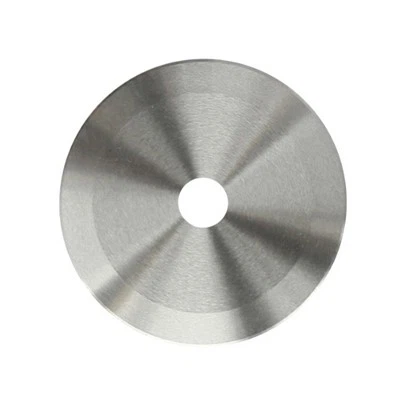
Hey there! As a supplier of laminating machine blades, I've seen firsthand how crucial it is to have top - notch cutting performance. In this blog, I'm gonna share some tips on how to optimize the cutting performance of a laminating machine blade.
1. Blade Selection
First things first, picking the right blade is super important. You can't just grab any old blade and expect it to work wonders. Different laminating materials require different blade types. For instance, if you're dealing with thin, flexible laminates, a sharp, fine - edged blade will do the trick. On the other hand, thicker and more rigid laminates might need a blade with more strength and durability.
We offer a wide range of blades, like the Medicine Bag Packaging Cutter. This blade is designed specifically for cutting packaging materials, which often have similar characteristics to some laminates. It's made from high - quality alloys that ensure sharpness and long - lasting performance.
Another great option is the Crusher Blade. Although it's mainly used in crushers, its design principles of high - strength cutting can also inspire us when choosing a laminating machine blade. The robust construction of this blade can give you an idea of what kind of durability you might need for your laminating tasks.
2. Blade Installation
Once you've got the right blade, installing it correctly is a must. A poorly installed blade can lead to all sorts of problems, like uneven cuts, excessive wear, and even damage to the laminating machine.
Before installation, make sure the blade and the mounting area are clean. Any dirt or debris can affect the blade's performance. Follow the manufacturer's instructions carefully when mounting the blade. Tighten the bolts or clamps evenly to ensure the blade is firmly in place. If the blade is not centered properly, it can cause vibration during operation, which will not only reduce the cutting quality but also shorten the blade's lifespan.
3. Cutting Speed and Pressure
Finding the right balance between cutting speed and pressure is key. If you cut too fast, the blade might not be able to cut through the laminate cleanly, leaving rough edges or even tearing the material. On the other hand, if you cut too slowly, it can waste time and put unnecessary stress on the blade.
Similarly, the pressure applied during cutting is crucial. Too much pressure can cause the blade to dull quickly and might even damage the laminating machine. Too little pressure, and the blade won't be able to cut through the laminate at all. You need to experiment a bit to find the optimal speed and pressure for your specific laminating material and blade combination.
4. Blade Maintenance
Regular maintenance is the secret to keeping your laminating machine blade in top shape. After each use, clean the blade to remove any residue from the laminate. You can use a mild solvent and a soft cloth to gently wipe the blade. Avoid using abrasive materials that could scratch the blade surface.
Sharpening the blade is also important. Over time, the blade will naturally become dull from repeated use. You can either sharpen the blade yourself if you have the right tools and skills, or send it to a professional sharpening service. A sharp blade will cut through the laminate more easily, improving the cutting quality and reducing the strain on the laminating machine.
Inspect the blade regularly for signs of wear or damage. Look for chips, cracks, or excessive dullness. If you notice any of these issues, replace the blade immediately. Using a damaged blade can not only lead to poor cutting performance but also pose a safety risk.
5. Environmental Factors
Don't overlook the impact of the environment on the blade's performance. Temperature and humidity can affect the blade and the laminating material. For example, in a high - humidity environment, the laminate might absorb moisture, making it softer and more difficult to cut. In extreme temperatures, the blade material might expand or contract, affecting its cutting ability.
Try to keep the laminating machine in a stable environment with controlled temperature and humidity. This will help ensure consistent cutting performance and prolong the blade's lifespan.
6. Operator Training
Last but not least, having well - trained operators is essential. An experienced operator knows how to handle the laminating machine and the blade properly. They can adjust the cutting speed, pressure, and other parameters based on the material and the blade's condition.
Provide comprehensive training to your operators. Teach them about blade selection, installation, maintenance, and safety procedures. Encourage them to share their experiences and feedback, as they might come up with some practical tips for optimizing the cutting performance.
In conclusion, optimizing the cutting performance of a laminating machine blade involves a combination of proper blade selection, correct installation, balanced cutting speed and pressure, regular maintenance, consideration of environmental factors, and well - trained operators. By following these tips, you can ensure that your laminating machine blade works at its best, giving you clean, precise cuts every time.


If you're interested in our laminating machine blades or have any questions about optimizing cutting performance, feel free to reach out to us for a procurement discussion. We're here to help you get the most out of your laminating operations.
References
- Industry standards for laminating machine blade manufacturing
- Technical manuals of laminating machines and blades
- Practical experience from years of supplying laminating machine blades