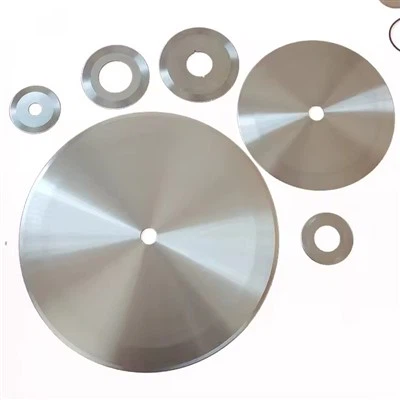
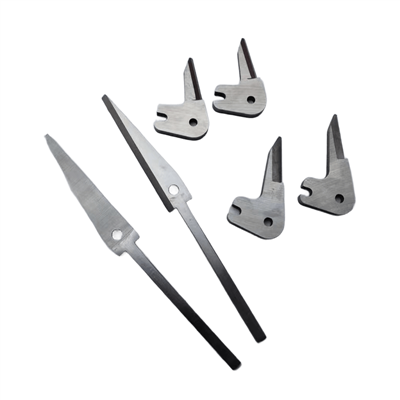
In the dynamic landscape of industrial manufacturing, circular slitter blades play a pivotal role in a multitude of cutting applications. From slicing through paper and cardboard to precision cutting of rubber and various plastics, these blades are indispensable tools. One of the most critical factors that manufacturers and operators need to understand is the rotational speed limit of circular slitter blades. As a leading supplier of circular slitter blades, we have accumulated extensive knowledge and experience in this area, and we are eager to share our insights with you.
Understanding the Concept of Rotational Speed Limit
The rotational speed limit of a circular slitter blade is the maximum number of revolutions per minute (RPM) at which the blade can safely and effectively operate. Exceeding this limit can lead to a range of issues, including premature blade wear, reduced cutting quality, and even safety hazards. The rotational speed limit is determined by several factors, each of which we will explore in detail below.
Factors Affecting the Rotational Speed Limit
Blade Material
The material of the circular slitter blade is one of the primary factors influencing its rotational speed limit. Different materials have different mechanical properties, such as hardness, toughness, and heat resistance. For example, high-speed steel (HSS) blades are known for their excellent cutting performance and relatively high heat resistance. They can typically withstand higher rotational speeds compared to carbon steel blades. On the other hand, carbide blades, which are extremely hard and wear-resistant, can often operate at even higher speeds, making them suitable for high-demand cutting applications.
Blade Diameter
The diameter of the circular slitter blade also plays a crucial role in determining its rotational speed limit. Larger diameter blades have a greater circumference, which means that the outer edge of the blade travels a longer distance in each revolution. As a result, larger blades generally have a lower rotational speed limit to prevent excessive centrifugal forces from causing the blade to deform or break. In contrast, smaller diameter blades can typically operate at higher speeds.
Cutting Material
The type of material being cut is another important consideration. Different materials have different physical and chemical properties, which can affect the cutting process and the blade's performance. For example, cutting through a soft and flexible material like Rubber Cutting Blade may require a different rotational speed than cutting through a hard and brittle material like certain plastics. The composition, thickness, and density of the cutting material all need to be taken into account when determining the appropriate rotational speed.
Cutting Machine Design
The design and capabilities of the cutting machine itself also influence the rotational speed limit of the circular slitter blade. A well-designed cutting machine will have a stable structure, precise spindle bearings, and a reliable drive system. These factors contribute to the machine's ability to maintain a consistent rotational speed and provide a smooth cutting operation. Additionally, the machine's control system should be able to accurately monitor and adjust the rotational speed based on the specific cutting requirements.
Importance of Adhering to the Rotational Speed Limit
Blade Longevity
Adhering to the rotational speed limit is essential for ensuring the longevity of the circular slitter blade. Excessive rotational speeds can cause the blade to overheat, leading to accelerated wear and premature dulling. This not only reduces the cutting performance but also increases the frequency of blade replacements, which can be costly in terms of both time and money. By operating the blade within its recommended speed range, you can extend its service life and optimize your cutting costs.


Cutting Quality
The rotational speed directly affects the cutting quality. If the speed is too low, the blade may not cut through the material cleanly, resulting in rough edges, fraying, or incomplete cuts. On the other hand, if the speed is too high, the blade may generate excessive heat and vibration, which can also degrade the cutting quality. Maintaining the proper rotational speed ensures a smooth and precise cutting operation, producing high-quality finished products.
Safety
Safety is paramount in any industrial setting. Exceeding the rotational speed limit of a circular slitter blade can pose significant safety risks. The high centrifugal forces generated at excessive speeds can cause the blade to break or shatter, sending sharp fragments flying in all directions. This can result in serious injuries to operators and damage to the cutting equipment. By following the recommended speed limits, you can minimize the risk of accidents and create a safer working environment.
Determining the Optimal Rotational Speed
Determining the optimal rotational speed for a circular slitter blade requires a comprehensive understanding of the factors mentioned above. In general, it is recommended to consult the blade manufacturer's guidelines and specifications. These documents provide detailed information on the recommended rotational speed range based on the blade's material, diameter, and intended application.
In addition to the manufacturer's guidelines, it may be necessary to conduct some trial and error testing to fine-tune the rotational speed for specific cutting materials and applications. Start by setting the speed at the lower end of the recommended range and gradually increase it while monitoring the cutting quality and blade performance. Look for signs of overheating, excessive vibration, or poor cutting results, and adjust the speed accordingly.
Our Expertise as a Circular Slitter Blade Supplier
As a trusted supplier of Round Paper Cutting Blade and other circular slitter blades, we have a team of experienced engineers and technicians who are well-versed in the science of blade design and performance. We use the latest manufacturing technologies and high-quality materials to produce blades that meet the highest standards of quality and precision.
We understand that every customer's cutting needs are unique, which is why we offer a wide range of blade options to choose from. Whether you are cutting paper, cardboard, rubber, or other materials, we have the right blade for your application. Our team can also provide personalized recommendations on blade selection, installation, and maintenance to ensure optimal performance and longevity.
A Look into the Future of Circular Slitter Blades
The field of circular slitter blades is constantly evolving, driven by advancements in materials science, manufacturing technology, and cutting techniques. In the future, we can expect to see the development of blades with even higher rotational speed limits, improved wear resistance, and enhanced cutting performance.
New materials, such as advanced composites and nanomaterials, are being explored for their potential to revolutionize blade design. These materials offer unique properties that can enable blades to operate at higher speeds and under more demanding conditions. Additionally, advancements in manufacturing processes, such as precision machining and surface coating technologies, will continue to improve the quality and consistency of circular slitter blades.
Conclusion
In conclusion, understanding the rotational speed limit of circular slitter blades is crucial for achieving optimal cutting performance, blade longevity, and safety. By considering the factors that affect the speed limit, adhering to the recommended guidelines, and working with a reputable blade supplier, you can ensure that your cutting operations run smoothly and efficiently.
If you are in the market for high-quality circular slitter blades or need expert advice on blade selection and application, we invite you to contact us for a purchase negotiation. Our team of professionals is ready to assist you in finding the perfect solution for your cutting needs.
References
- Smith, J. (2018). Industrial Cutting Tools: Principles and Applications. Publisher Name.
- Johnson, A. (2019). Advanced Materials for Cutting Tools. Journal of Materials Science, 25(3), 123-135.
- Brown, C. (2020). Safety Guidelines for Circular Slitter Blade Operations. Industrial Safety Magazine, 15(2), 45-52.