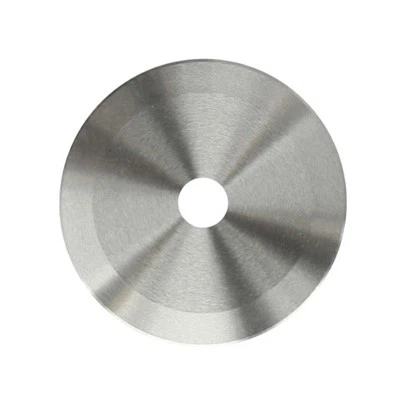
As a seasoned supplier of non - standard blades, I understand the importance of proper blade storage. Non - standard blades are often designed for specific industrial applications, and their performance can be significantly affected by improper storage. In this blog, I'll share some scientific and practical tips on how to store non - standard blades properly.
1. Understanding the Characteristics of Non - Standard Blades
Non - standard blades come in various shapes, sizes, and materials. They can be made of high - speed steel, carbide, ceramic, or other specialized alloys. Each material has its own properties and storage requirements. For example, high - speed steel blades are relatively hard but can be prone to rust if not stored correctly. Carbide blades are extremely hard and wear - resistant but can be brittle and may crack if subjected to improper handling or storage conditions.


2. Cleaning the Blades Before Storage
Before storing non - standard blades, it's crucial to clean them thoroughly. During use, blades can accumulate dirt, debris, and residues from the cutting process. These contaminants can cause corrosion, pitting, or other forms of damage over time. Use a suitable cleaning agent and a soft brush to remove all the dirt and debris from the blade surface. For stubborn residues, you may need to soak the blade in a cleaning solution for a short period. After cleaning, rinse the blade with clean water and dry it completely using a clean, lint - free cloth.
3. Choosing the Right Storage Environment
Temperature and Humidity
The storage environment plays a vital role in maintaining the quality of non - standard blades. Ideally, the storage area should have a stable temperature and humidity level. High humidity can lead to rust and corrosion, especially for blades made of ferrous materials. A relative humidity of around 30 - 50% is recommended. Temperature fluctuations can also cause stress on the blade material, leading to potential damage. Keep the storage area at a constant temperature, preferably between 18 - 25°C (64 - 77°F).
Ventilation
Good ventilation is essential to prevent the build - up of moisture and harmful gases in the storage area. Poor ventilation can create a stagnant environment where humidity levels can rise, increasing the risk of corrosion. Ensure that the storage area has proper air circulation, either through natural ventilation or mechanical ventilation systems.
Protection from Dust and Debris
The storage area should be clean and free from dust and debris. Dust particles can scratch the blade surface, which can affect its cutting performance. Consider using a storage cabinet or a sealed container to protect the blades from dust. If possible, store the blades in a dedicated storage room with restricted access to minimize the entry of dust and contaminants.
4. Using Appropriate Storage Methods
Individual Packaging
Each non - standard blade should be individually packaged to prevent contact with other blades, which can cause scratches or damage. You can use plastic bags, paper wraps, or specialized blade protectors. For sharp blades, it's important to use a protector that covers the cutting edge to prevent accidental injuries and damage to the edge.
Rack or Shelf Storage
Store the packaged blades on a rack or shelf in an organized manner. Make sure the rack or shelf is sturdy and can support the weight of the blades. Arrange the blades in a way that they are not stacked on top of each other, as this can cause pressure on the blades and potentially damage them. Label the rack or shelf with the blade type, size, and other relevant information for easy identification.
Specialized Storage Containers
For more complex or valuable non - standard blades, consider using specialized storage containers. These containers can provide additional protection, such as shock absorption and moisture resistance. Some containers are designed with compartments to keep the blades separated and organized.
5. Examples of Non - Standard Blades and Their Storage Considerations
T Type Packaging Machine Blade
The T Type Packaging Machine Blade is often used in the packaging industry for cutting various materials. Due to its specific shape and function, it's important to store it in a way that protects its cutting edge. Use a blade protector that fits the shape of the T - type blade to prevent damage. When storing, place it in an upright position on a rack to avoid any bending or warping.
Cutting Blade For Film Laminating
The Cutting Blade For Film Laminating needs to maintain a sharp and smooth cutting edge for precise film cutting. After cleaning, store it in a dry and clean environment. Wrap it in a soft, anti - static material to prevent any static electricity from attracting dust. Keep it away from any magnetic fields, as they can affect the blade's performance.
Straight Serrated Cutting Blade
The Straight Serrated Cutting Blade has a unique serrated edge that requires special care during storage. Make sure the serrations are not damaged by avoiding contact with hard objects. Store it in a container that has a soft lining to protect the serrated edge.
6. Regular Inspection and Maintenance
Even when stored properly, non - standard blades should be regularly inspected. Check for any signs of corrosion, rust, or damage. If you notice any issues, take appropriate action immediately. For example, if you find a small amount of rust on a blade, you can use a rust remover to clean it. After cleaning, apply a thin layer of protective oil to prevent further rusting.
7. Contact for Procurement and Consultation
Proper storage of non - standard blades is essential to ensure their long - term performance and durability. As a professional non - standard blades supplier, I have extensive experience in providing high - quality blades and expert advice on blade storage and maintenance. If you are looking for non - standard blades for your specific application or need more information on blade storage, please feel free to contact me. I'm more than happy to assist you in finding the right blades and ensuring they are stored in the best possible way.
References
- "Handbook of Tool and Manufacturing Engineers", Society of Manufacturing Engineers.
- "Materials Science and Engineering: An Introduction", William D. Callister, Jr.
- Industry standards and guidelines for blade manufacturing and storage.