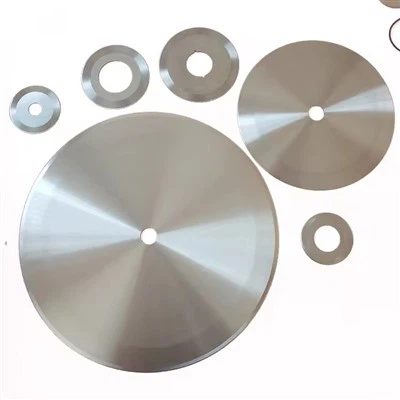
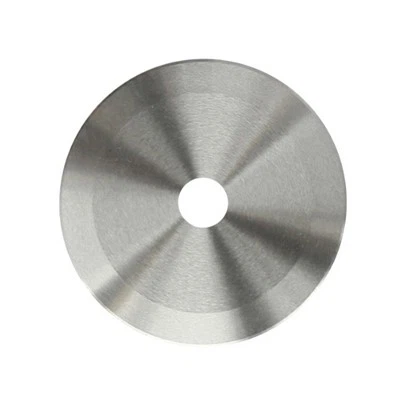
Troubleshooting a food slicer blade that isn't spinning can be a daunting task, but with the right approach, you can identify and resolve the issue efficiently. As a food slicer blade supplier, Big Brother Cutting Tool had encountered various problems related to non - spinning blades over the years. In this blog, I'll share some common causes and solutions to help you get your food slicer back in working order.
1. Power Supply Issues
The first thing you should check when your food slicer blade isn't spinning is the power supply. A lack of power can prevent the motor from running, which in turn stops the blade from spinning.
Check the Power Cord
Inspect the power cord for any visible damage such as cuts, frays, or exposed wires. If you notice any damage, it's crucial to replace the power cord immediately. A damaged cord can pose a significant safety hazard, including the risk of electric shock or fire.
Verify the Outlet
Ensure that the outlet you're using is functioning properly. You can do this by plugging in another device, like a lamp, to see if it works. If the outlet is not working, check the circuit breaker or fuse box to see if a breaker has tripped or a fuse has blown. Reset the breaker or replace the fuse if necessary.
Power Switch
Examine the power switch on the food slicer. Sometimes, the switch can become loose or damaged, preventing the flow of electricity to the motor. If the switch feels loose or doesn't click properly, it may need to be replaced. You can find replacement switches at most hardware stores or from the slicer's manufacturer.
2. Motor Problems
If the power supply is working fine, the next step is to look into potential motor issues. The motor is responsible for driving the blade, so any problems with it can cause the blade to stop spinning.
Overheating
Motors can overheat due to continuous use or blocked ventilation. When a motor overheats, it may automatically shut off to prevent damage. Check if the motor is hot to the touch. If it is, turn off the slicer and let it cool down for a few hours. Make sure the ventilation ports on the motor are clear of any debris or dust. You can use a can of compressed air to blow out any particles that may be blocking the vents.
Motor Belt
Many food slicers use a belt to transfer power from the motor to the blade. Over time, the belt can become worn, stretched, or broken. Inspect the belt for signs of damage. If it's loose or broken, you'll need to replace it. You can find replacement belts from the slicer's manufacturer or a specialized parts supplier. To replace the belt, you may need to remove the motor cover or access panel on the slicer. Refer to the slicer's manual for specific instructions.
Motor Bearings
The motor bearings allow the motor shaft to rotate smoothly. If the bearings are worn or damaged, the motor may not be able to turn properly, causing the blade to stop spinning. Listen for any unusual noises coming from the motor, such as grinding or squealing. If you suspect bearing problems, it's best to have a professional technician replace the bearings. Opening the motor to access the bearings can be dangerous and may void the slicer's warranty.
3. Blade and Blade Assembly Issues
Problems with the blade or its assembly can also lead to a non - spinning blade.
Blade Jam
Check if the blade is jammed. There could be food debris, bones, or other objects stuck between the blade and the housing. Unplug the slicer before attempting to remove any debris. Use a pair of tongs or a wooden stick to carefully dislodge the object. Avoid using your fingers, as the blade can be sharp.
Blade Installation
Ensure that the blade is properly installed. If the blade is not seated correctly, it may not be able to rotate freely. Refer to the slicer's manual for the correct installation procedure. Make sure all the mounting bolts or clamps are tightened securely.
Blade Dullness
A dull blade can put extra strain on the motor, causing it to struggle or stop working. If the blade is dull, it may need to be sharpened or replaced. You can sharpen the blade using a sharpening stone or take it to a professional sharpening service. For severely dull or damaged blades, it's often more cost - effective to replace them. As a food slicer blade supplier, I offer a wide range of high - quality blades suitable for different types of food slicers. You can explore our product range, including Mask Machine Blades., Harvester Blade, and Medicine Bag Packaging Cutter.


4. Control and Safety Features
Some food slicers are equipped with control and safety features that can prevent the blade from spinning if certain conditions are not met.
Safety Interlock
Many slicers have a safety interlock system that stops the blade from spinning if the slicer's guard or cover is not properly in place. Check to make sure all the safety guards and covers are closed and latched correctly. If the interlock switch is faulty, it may need to be replaced.
Speed Control
If your slicer has a speed control feature, check if it's set to the correct speed. Sometimes, the speed control can be accidentally set to a very low or zero speed, causing the blade not to spin. Adjust the speed control to the appropriate setting.
Contact for Procurement
If you've tried all the troubleshooting steps above and still can't get your food slicer blade to spin, or if you're in need of replacement parts such as blades, belts, or switches, I'm here to help. As a reliable food slicer blade supplier, I offer high - quality products at competitive prices. Whether you're a small restaurant owner, a large food processing facility, or an individual looking for a replacement blade for your home slicer, I can provide you with the right solutions.
If you're interested in learning more about our products or have any questions regarding food slicer blade selection, installation, or maintenance, please feel free to reach out. We're committed to providing excellent customer service and ensuring that you get the best value for your money.
References
- Manufacturer's manuals for various food slicers
- Industry best practices for food slicer maintenance and troubleshooting
- Technical resources on motor and electrical systems for small appliances
- Welcome to contact Big Brother Cutting Tool.