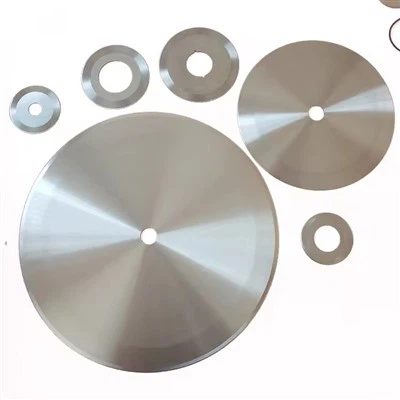
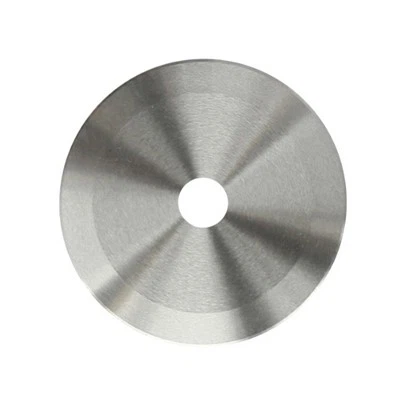
Hey there! As a supplier of circular slitter blades, I've seen firsthand the differences between blades used for continuous slitting and intermittent slitting. In this blog post, I'll break down these differences to help you understand which type of blade is right for your specific needs.
Continuous Slitting: The Steady Stream
Continuous slitting is like a never - ending river of cutting. It's a process where materials are fed continuously through the slitting machine, and the blades are constantly in action. This method is commonly used in high - volume production environments where speed and efficiency are key.
Blade Design for Continuous Slitting
- Edge Sharpness: Blades for continuous slitting need to have an extremely sharp edge. Since they're in constant contact with the material, a sharp edge ensures clean cuts and reduces the amount of force required. Dull blades can cause fraying, uneven cuts, and increased wear on the machine. For example, when slitting thin plastic films, a sharp blade can cut through smoothly without causing any tearing.
- Hardness and Wear Resistance: These blades are made from materials with high hardness and excellent wear resistance. Tool steels like high - speed steel (HSS) or carbide are popular choices. HSS blades can withstand the high - speed rotation and continuous friction during the slitting process. Carbide blades, on the other hand, are even more wear - resistant and can maintain their sharpness for a longer time, making them ideal for slitting abrasive materials such as fiberglass or certain types of paper.
- Blade Thickness: Generally, blades for continuous slitting are thinner. A thinner blade reduces the amount of material that needs to be displaced during cutting, which in turn reduces the cutting force and heat generation. This is especially important when slitting delicate materials like thin foils or laminates.
Performance Requirements
- Consistent Cutting Quality: In continuous slitting, the quality of the cut needs to be consistent throughout the entire production run. Any variation in the cut can lead to defective products. The blades must be able to maintain their cutting performance over long periods without significant degradation.
- High - Speed Operation: These blades are designed to operate at high speeds. They need to be well - balanced to prevent vibrations, which can affect the cutting quality and cause premature wear on the blade and the machine. A well - balanced blade can run smoothly at speeds of several thousand revolutions per minute, ensuring efficient production.
Intermittent Slitting: The Stop - and - Go Approach
Intermittent slitting, as the name suggests, involves cutting materials in a non - continuous manner. The material is fed, the blade makes a cut, and then the process pauses before the next cut. This method is often used in applications where precise cutting lengths are required or when working with materials that are difficult to feed continuously.
Blade Design for Intermittent Slitting
- Edge Geometry: Blades for intermittent slitting may have a different edge geometry compared to continuous slitting blades. They often have a more robust edge design to handle the sudden impact of each cut. For example, a blade with a slightly thicker edge can better withstand the shock when it comes into contact with the material.
- Material Toughness: Since intermittent slitting involves sudden starts and stops, the blades need to be tough to resist chipping or breaking. Alloy steels with good toughness properties are commonly used. These steels can absorb the impact energy during each cut without fracturing.
- Blade Size and Shape: The size and shape of intermittent slitting blades can vary depending on the specific application. Some applications may require larger blades to cover a wider cutting area, while others may need blades with a specific shape to achieve a particular cut profile.
Performance Requirements
- Precision Cutting: Intermittent slitting is all about precision. The blades need to make accurate cuts at specific intervals. This requires a high level of control over the cutting process. The blade's ability to stop and start cleanly is crucial for achieving the desired cutting length and quality.
- Adaptability to Different Materials: Intermittent slitting is often used for a variety of materials, from thick cardboard to thin fabrics. The blades need to be adaptable to different material properties, such as hardness, flexibility, and thickness. A single blade may need to be able to cut through multiple types of materials without significant adjustments.
Applications and Examples
Continuous Slitting Applications
- Packaging Industry: In the packaging industry, continuous slitting is widely used to cut large rolls of packaging materials such as plastic films, paperboard, and aluminum foil into smaller widths. For example, a packaging manufacturer may use continuous slitting to produce multiple rolls of narrow plastic film for wrapping individual products. You can check out our Round Packaging Machinery Blade for more information on blades suitable for this application.
- Paper Manufacturing: Paper mills use continuous slitting to cut large paper reels into smaller, more manageable sizes. This is done at high speeds to meet the high - volume demand for paper products. Our Round Paper Cutting Blade is designed to handle the continuous cutting requirements of the paper industry.
Intermittent Slitting Applications
- Textile Industry: In the textile industry, intermittent slitting is used to cut fabrics into specific lengths for making clothing or other textile products. The blades need to make precise cuts to ensure the correct dimensions of the fabric pieces.
- Printing Industry: Printing companies use intermittent slitting to cut printed materials, such as brochures or flyers, into the desired sizes. The blades need to be able to cut through different types of paper and ink without smudging or damaging the print.
Choosing the Right Blade
When choosing between circular slitter blades for continuous and intermittent slitting, there are several factors to consider:
- Production Volume: If you have a high - volume production requirement, continuous slitting blades are likely the better choice. They are designed for long - term, high - speed operation. On the other hand, if your production volume is lower and you need more precise cutting, intermittent slitting blades may be more suitable.
- Material Properties: The type of material you're cutting is a crucial factor. Abrasive materials may require more wear - resistant blades like carbide, while delicate materials may need thinner, sharper blades.
- Cutting Precision: If precision is your top priority, intermittent slitting blades may be the way to go. However, continuous slitting blades can also achieve high levels of precision with the right machine setup and blade selection.
As a supplier of Circular Slitter Blades, I'm here to help you make the right choice. Whether you need blades for continuous or intermittent slitting, we have a wide range of options to meet your specific needs. If you're looking for high - quality circular slitter blades, don't hesitate to contact us for a consultation. We can discuss your requirements in detail and recommend the best blades for your application.
Conclusion
In conclusion, the differences between circular slitter blades for continuous slitting and intermittent slitting are significant. From blade design to performance requirements, each type of blade is tailored to specific cutting processes. Understanding these differences is essential for choosing the right blade for your production needs. Whether you're in the packaging, paper, textile, or printing industry, the right blade can make a big difference in the quality and efficiency of your production. So, if you're in the market for circular slitter blades, reach out to us and let's find the perfect solution for you.


References
- "Cutting Tool Engineering Handbook", various authors
- Industry reports on slitting technology and blade manufacturing