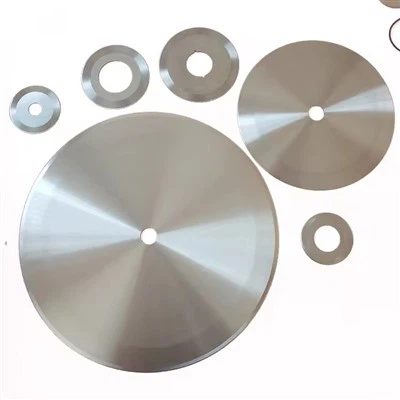
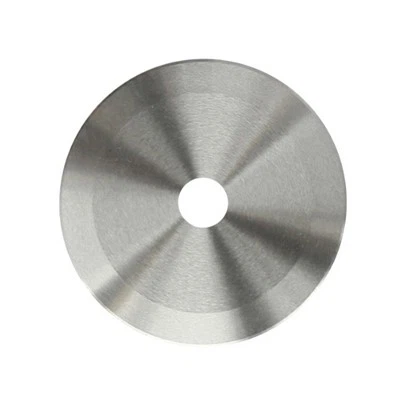
Circular slitter blades are essential tools in various industries, used for cutting a wide range of materials. The choice between dry cutting and wet cutting with these blades can significantly impact the cutting process, the quality of the cut, and the lifespan of the blades. As a supplier of circular slitter blades, I have witnessed firsthand the differences between the two cutting methods and their effects on the blades. In this blog post, I will explore the key differences between circular slitter blades for dry cutting and wet cutting.
1. Blade Material and Design
The material and design of circular slitter blades are tailored to the specific requirements of dry and wet cutting.
Dry Cutting Blades
Blades for dry cutting are typically made from high - carbon steel, high - speed steel (HSS), or carbide. High - carbon steel blades are cost - effective and suitable for cutting softer materials such as paper. They have good edge retention but may wear out relatively quickly when cutting harder materials. High - speed steel blades are more durable and can withstand higher cutting speeds. They are often used for cutting plastics and thin metals. Carbide blades, on the other hand, are extremely hard and wear - resistant. They are ideal for cutting tough materials like fiberglass and thick metals.
In terms of design, dry cutting blades usually have a more aggressive tooth geometry. The teeth are often larger and more widely spaced to facilitate the removal of chips and prevent clogging. For example, Round Paper Cutting Blade used in dry cutting operations for paper products have a design that allows for efficient cutting and clean separation of the paper layers.
Wet Cutting Blades
Wet cutting blades are commonly made from diamond - impregnated materials or specially coated metals. Diamond - impregnated blades are used for cutting hard and abrasive materials such as stone, concrete, and ceramic. The diamonds on the blade's edge provide excellent cutting performance and long - term durability. Coated metal blades are also used for wet cutting softer materials. The coating helps to reduce friction and prevent corrosion caused by the coolant used in the wet cutting process.
The design of wet cutting blades is more focused on coolant flow and chip removal in a wet environment. The teeth are often smaller and more closely spaced to ensure a smooth and precise cut. The blade may also have channels or grooves to allow the coolant to reach the cutting edge effectively. Rubber Cutting Blade used in wet cutting applications for rubber materials are designed to work in conjunction with the coolant to prevent the rubber from sticking to the blade and to achieve a clean cut.
2. Cutting Performance
The cutting performance of circular slitter blades varies significantly between dry and wet cutting.
Dry Cutting Performance
Dry cutting is known for its simplicity and portability. It does not require a coolant system, making it suitable for on - site or small - scale cutting operations. However, dry cutting generates a significant amount of heat due to the friction between the blade and the material. This heat can cause the blade to wear out faster, especially when cutting hard materials. It can also lead to thermal damage to the material being cut, such as melting or charring in the case of plastics and wood.
The cutting speed in dry cutting is often limited by the heat generated. Higher cutting speeds can result in excessive heat buildup, which can reduce the quality of the cut and shorten the blade's lifespan. In addition, dry cutting may produce more dust and debris, which can be a health hazard for operators and may require additional dust collection equipment.
Wet Cutting Performance
Wet cutting offers several advantages in terms of cutting performance. The coolant used in wet cutting helps to dissipate heat, reducing the temperature at the cutting edge. This allows for higher cutting speeds without the risk of overheating the blade or the material. The coolant also acts as a lubricant, reducing friction and wear on the blade. As a result, wet cutting blades generally have a longer lifespan compared to dry cutting blades.
The use of coolant in wet cutting also helps to suppress dust and debris, creating a cleaner and safer working environment. This is particularly important when cutting materials that produce hazardous dust, such as asbestos - containing materials or fiberglass. In addition, wet cutting can result in a smoother and more precise cut, especially for materials that are prone to chipping or cracking during dry cutting. For example, Rubber Cutting Blade used in wet cutting can achieve a cleaner and more accurate cut on rubber materials compared to dry cutting.
3. Maintenance and Lifespan
The maintenance requirements and lifespan of circular slitter blades differ for dry and wet cutting.
Dry Cutting Blade Maintenance and Lifespan
Dry cutting blades require regular cleaning to remove chips and debris that can accumulate on the blade's teeth. Over time, the blade may become dull due to wear, and it will need to be sharpened or replaced. The lifespan of a dry cutting blade depends on several factors, including the material being cut, the cutting speed, and the frequency of use. Cutting hard or abrasive materials will significantly reduce the blade's lifespan compared to cutting softer materials.
In addition, dry cutting blades are more prone to corrosion if they are not properly stored. Moisture in the air can cause rust to form on the blade, which can affect its cutting performance and durability. Therefore, it is important to store dry cutting blades in a dry and clean environment.


Wet Cutting Blade Maintenance and Lifespan
Wet cutting blades also require regular maintenance, but the focus is different. After each use, the blade should be thoroughly cleaned to remove any coolant residue and debris. The coolant can contain chemicals that may cause corrosion if left on the blade for an extended period. It is also important to check the coolant level and quality regularly to ensure optimal cutting performance.
The lifespan of wet cutting blades is generally longer than that of dry cutting blades due to the cooling and lubricating effects of the coolant. However, the diamond - impregnated or coated parts of the blade may eventually wear out, and the blade will need to be replaced. Proper maintenance can help to extend the lifespan of wet cutting blades and ensure consistent cutting performance.
4. Cost Considerations
The cost of circular slitter blades and the associated cutting processes is an important factor for businesses.
Dry Cutting Costs
Dry cutting blades are generally less expensive than wet cutting blades, especially for basic materials such as high - carbon steel or HSS. The initial investment in dry cutting equipment is also lower since there is no need for a coolant system. However, the cost of blade replacement can be higher in the long run due to the shorter lifespan of dry cutting blades. In addition, the need for dust collection equipment and the potential health risks associated with dust exposure can add to the overall cost of dry cutting operations.
Wet Cutting Costs
Wet cutting blades, especially diamond - impregnated ones, are more expensive than dry cutting blades. The cost of the coolant and the coolant system also adds to the initial investment. However, the longer lifespan of wet cutting blades and the reduced need for blade replacement can offset the higher initial cost. In addition, the cleaner working environment and the potential savings on dust collection equipment can make wet cutting a more cost - effective option in the long term, especially for large - scale or high - volume cutting operations.
Conclusion
In conclusion, there are significant differences between circular slitter blades for dry cutting and wet cutting in terms of blade material and design, cutting performance, maintenance and lifespan, and cost considerations. As a supplier of circular slitter blades, I understand the unique requirements of each cutting method and can provide the right blades for your specific application.
If you are looking for high - quality circular slitter blades for either dry or wet cutting, please feel free to contact us for more information and to discuss your procurement needs. We are committed to providing the best products and services to meet your cutting requirements.
References
- "Cutting Tool Technology" by John A. Schey
- "Handbook of Machining with Cutting Tools" by Yoram Koren