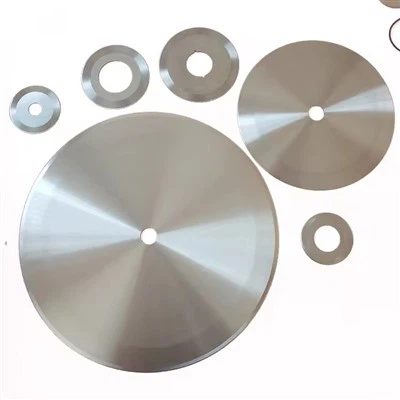
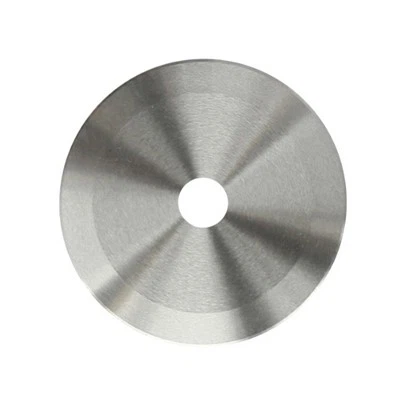
Hey there! As a toothed cutter supplier, I've seen firsthand how important it is to handle these tools properly during operation. Toothed cutters are widely used in various industries, from packaging to woodworking, and using them the right way can not only boost efficiency but also ensure safety. So, let's dive into the best ways to handle a toothed cutter during operation.
Pre - operation Checks
Before you even start using a toothed cutter, you've got to do a thorough pre - operation check. First off, inspect the cutter for any visible damage. Look for cracks, chips, or missing teeth. A damaged cutter can not only give you a poor cutting result but also pose a serious safety risk. For instance, a chipped tooth might break off during operation and fly around, potentially injuring someone.
Next, make sure the cutter is properly installed. Check the mounting hardware to ensure it's tight and secure. Loose cutters can wobble during operation, leading to inaccurate cuts and increasing the chances of the cutter coming off completely. If you're using a toothed cutter in a machine, refer to the machine's manual for the correct installation procedure.
Also, check the alignment of the cutter. Misaligned cutters can cause uneven cutting, which may damage the material you're working on. You can use alignment tools provided by the manufacturer to ensure the cutter is perfectly aligned.
Safety Precautions
Safety should always be your top priority when handling a toothed cutter. Wear appropriate personal protective equipment (PPE), such as safety glasses, gloves, and ear protection. Safety glasses will protect your eyes from flying debris, while gloves can prevent cuts and abrasions. Ear protection is necessary if the operation is noisy.
Keep the work area clean and free of clutter. Loose materials or tools in the work area can get caught in the cutter, causing it to malfunction or even break. Make sure there are no tripping hazards around the machine where the toothed cutter is installed.
Don't wear loose clothing or jewelry when operating a toothed cutter. Loose clothing can get caught in the rotating cutter, pulling you into the machine. Jewelry can also pose a similar risk, so it's best to remove them before starting the operation.
Operating the Toothed Cutter
When operating the toothed cutter, start at a slow speed. This allows you to get a feel for the cutter and the material you're cutting. As you gain more confidence and experience, you can gradually increase the speed. However, always stay within the recommended speed range specified by the cutter manufacturer.
Feed the material into the cutter at a steady pace. Avoid forcing the material, as this can put too much stress on the cutter and may cause it to break. If you're using a power - driven machine with a toothed cutter, use the machine's feed mechanism to control the speed and direction of the material.
Keep your hands away from the cutting area. Use push sticks or other appropriate tools to guide the material through the cutter. This reduces the risk of your hands getting too close to the rotating cutter and getting injured.
Maintenance During Operation
Regular maintenance during operation is crucial to keep the toothed cutter in good working condition. Periodically check the cutter for any signs of wear. If you notice that the teeth are becoming dull or worn down, it's time to either sharpen or replace the cutter. A dull cutter will require more force to cut through the material, which can increase the risk of accidents and also damage the material.
Clean the cutter regularly to remove any debris or residue that may accumulate on it. You can use a brush or compressed air to clean the cutter. This helps to prevent the build - up of material, which can affect the cutter's performance.
If you're using a lubricant with the toothed cutter, make sure to apply it as recommended by the manufacturer. Lubrication reduces friction between the cutter and the material, which can extend the life of the cutter and improve the quality of the cut.
Different Types of Toothed Cutters and Their Handling
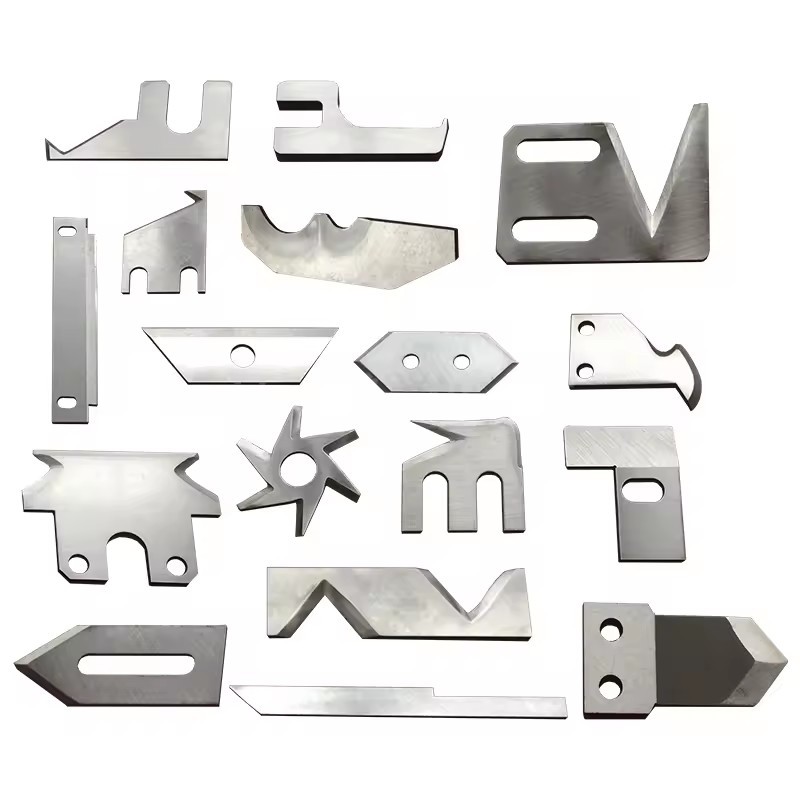
We supply various types of toothed cutters, such as V Type Packaging Machine Blades, Packaging Machine Blade, and T Type Packaging Machine Blade. Each type has its own unique handling requirements.
For V Type Packaging Machine Blades, they are often used for precise cutting in packaging applications. When handling these blades, pay extra attention to the blade's edge. The V - shaped design requires careful alignment to ensure a clean cut. Also, since they are used in packaging, the blade needs to be kept extremely clean to avoid contamination of the products.
Packaging Machine Blades, in general, are used for a wide range of packaging materials. When operating these blades, make sure to adjust the cutting pressure according to the thickness and type of the packaging material. Using too much pressure can damage the material, while too little pressure may result in an incomplete cut.
T Type Packaging Machine Blades have a unique T - shaped design that provides stability during cutting. However, they also require proper installation and alignment. Check the T - blade's mounting points regularly to ensure they are secure.
Troubleshooting
Even with proper handling, you may encounter some issues during operation. If the cutter is making unusual noises, it could be a sign of a problem. Stop the operation immediately and check for any loose parts or misalignments. Tighten any loose bolts or adjust the alignment as needed.
If the cut quality is poor, it could be due to a dull cutter, incorrect feed rate, or misalignment. Sharpen or replace the cutter if it's dull. Adjust the feed rate to a more appropriate speed and check the alignment of the cutter.
If the cutter is overheating, it may be because of excessive friction. Check if the cutter is properly lubricated and if the cutting speed is too high. Reduce the speed and apply more lubricant if necessary.

Conclusion
Handling a toothed cutter during operation requires a combination of pre - operation checks, safety precautions, proper operating techniques, and regular maintenance. By following these guidelines, you can ensure the safety of the operators, improve the quality of the cuts, and extend the life of the cutter.
If you're in the market for high - quality toothed cutters, we've got you covered. We offer a wide range of toothed cutters, including V Type Packaging Machine Blades, Packaging Machine Blade, and T Type Packaging Machine Blade. If you have any questions or want to discuss your specific requirements, don't hesitate to reach out. We're here to help you find the perfect toothed cutter for your needs.
References
- Manufacturer's manuals for toothed cutters
- Industry safety standards and guidelines for cutter operation