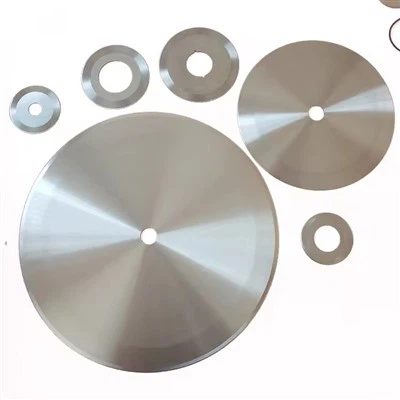
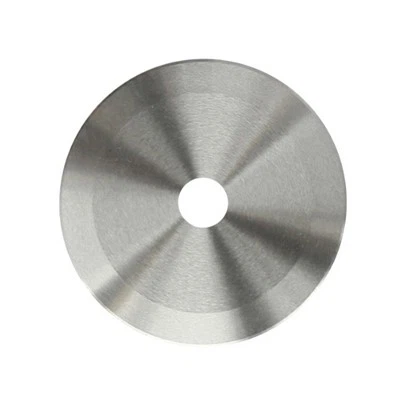
As a supplier of packaging machine blades, I've witnessed firsthand the critical role that corrosion resistance plays in the performance and longevity of these essential components. In the packaging industry, where blades are constantly exposed to various environmental factors and substances, understanding and ensuring their corrosion resistance is paramount.
The Importance of Corrosion Resistance in Packaging Machine Blades
Corrosion is a natural process that occurs when metals react with their environment, leading to the deterioration of the metal's structure. For packaging machine blades, corrosion can have several detrimental effects. Firstly, it can compromise the sharpness of the blade. As corrosion eats away at the cutting edge, the blade becomes dull, resulting in inefficient cutting and potential damage to the packaging materials. This can lead to increased production costs, as more time and energy are required to achieve the same results, and there may be a higher rate of product waste due to imperfect cuts.
Secondly, corroded blades are more prone to breakage. The weakened structure of the metal makes it less able to withstand the forces exerted during the cutting process. A broken blade can cause unexpected downtime in the packaging line, disrupting production schedules and potentially leading to significant financial losses.
Moreover, in industries where hygiene is crucial, such as food and pharmaceutical packaging, corroded blades can pose a contamination risk. Rust particles or other corrosion by - products can contaminate the packaged goods, which is not only a quality control issue but can also have serious implications for consumer health and safety.
Factors Affecting the Corrosion Resistance of Packaging Machine Blades
Material Composition
The choice of material is one of the most important factors influencing corrosion resistance. Stainless steel is a popular choice for packaging machine blades due to its inherent corrosion - resistant properties. Stainless steel contains chromium, which forms a thin, passive oxide layer on the surface of the metal. This layer acts as a barrier, preventing oxygen and moisture from reaching the underlying metal and thus inhibiting corrosion. Different grades of stainless steel have varying levels of corrosion resistance, with higher grades typically containing more chromium and other alloying elements such as nickel and molybdenum.
For example, 304 stainless steel is commonly used in general - purpose packaging applications. It offers good corrosion resistance in most environments, but in more aggressive conditions, such as those with high humidity or exposure to certain chemicals, 316 stainless steel may be a better choice. 316 stainless steel contains molybdenum, which enhances its resistance to pitting and crevice corrosion, making it suitable for use in harsher industrial settings.
Surface Finish
The surface finish of the blade also plays a role in its corrosion resistance. A smooth surface finish reduces the area where corrosion can initiate. Rough surfaces can trap moisture and contaminants, providing ideal conditions for corrosion to start. Blades with a polished surface are less likely to corrode compared to those with a rough or textured finish. Additionally, some surface treatments, such as passivation, can further enhance the corrosion resistance of stainless steel blades. Passivation involves removing free iron from the surface of the stainless steel and promoting the formation of a more stable oxide layer.
Environmental Conditions
The environment in which the packaging machine operates has a significant impact on the corrosion of the blades. High humidity levels can accelerate the corrosion process, as moisture provides the necessary medium for the chemical reactions involved in corrosion. Exposure to chemicals, such as cleaning agents, solvents, or acidic or alkaline substances, can also cause corrosion. For example, in the food packaging industry, where blades may come into contact with acidic foods or cleaning solutions, the risk of corrosion is higher.
Temperature can also affect corrosion rates. Higher temperatures generally increase the rate of chemical reactions, including corrosion. In addition, rapid temperature changes can cause thermal stress on the blade, which may lead to cracking or other forms of damage that can further promote corrosion.


Measuring and Testing Corrosion Resistance
There are several methods for measuring and testing the corrosion resistance of packaging machine blades. One common method is the salt spray test. In this test, the blade samples are exposed to a mist of saltwater in a controlled chamber for a specified period. After the test, the samples are examined for signs of corrosion, such as rust spots or pitting. The results of the salt spray test can provide an indication of how the blade will perform in a marine or high - humidity environment.
Another method is the electrochemical impedance spectroscopy (EIS). This technique measures the electrical impedance of the metal surface, which can be used to evaluate the effectiveness of the passive oxide layer and the rate of corrosion. EIS is a non - destructive testing method that can provide detailed information about the corrosion behavior of the blade over time.
Our Solutions for High - Corrosion - Resistant Packaging Machine Blades
As a supplier, we are committed to providing our customers with packaging machine blades that offer excellent corrosion resistance. We use high - quality stainless steel materials, carefully selected based on the specific requirements of the application. Our blades are manufactured with a smooth surface finish to minimize the risk of corrosion initiation.
We also offer a range of surface treatments to enhance the corrosion resistance of our blades. For example, our passivation process ensures that the blades have a stable and protective oxide layer. In addition, we can provide customized solutions for customers operating in particularly harsh environments.
We have a variety of packaging machine blades available, including Carton Sealing Machine Blade, V Type Packaging Machine Blades, and Cake Cutting Machine Blades. Each of these blade types is designed to meet the specific needs of different packaging applications while maintaining high corrosion resistance.
Conclusion
Corrosion resistance is a crucial property for packaging machine blades. It affects the performance, longevity, and safety of the blades in the packaging process. By understanding the factors that influence corrosion resistance, such as material composition, surface finish, and environmental conditions, and by using appropriate testing methods, we can ensure that our blades meet the highest standards of quality.
If you are in the market for high - quality, corrosion - resistant packaging machine blades, we invite you to contact us for a detailed discussion of your requirements. Our team of experts is ready to assist you in finding the best blade solutions for your packaging operations.
References
- Fontana, M. G. (1986). Corrosion Engineering. McGraw - Hill.
- Uhlig, H. H., & Revie, R. W. (1985). Corrosion and Corrosion Control. Wiley - Interscience.