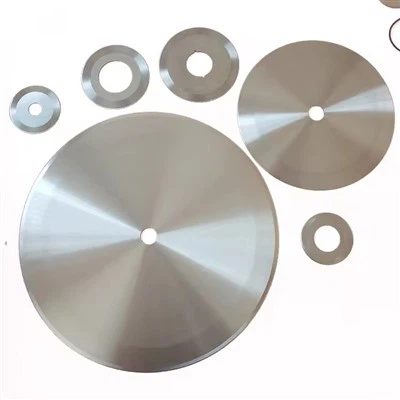
What is the cutting torque of a toothed cutter?
As a seasoned supplier of toothed cutters, I've encountered numerous inquiries regarding the cutting torque of these essential tools. Understanding cutting torque is crucial for optimizing the performance of toothed cutters in various applications. In this blog post, I'll delve into the concept of cutting torque, its influencing factors, and its significance in the operation of toothed cutters.
Understanding Cutting Torque
Cutting torque refers to the rotational force required to turn a toothed cutter during the cutting process. It is a measure of the cutter's ability to overcome the resistance encountered while cutting through materials. Torque is typically expressed in units of force multiplied by distance, such as Newton - meters (N·m) or foot - pounds (ft - lb).
When a toothed cutter is in operation, it engages with the material to be cut. The teeth of the cutter bite into the material, and as the cutter rotates, it shears or fractures the material. The force required to keep the cutter rotating against the resistance of the material is the cutting torque.
Factors Influencing Cutting Torque
Several factors can influence the cutting torque of a toothed cutter:
-
Material Properties
- The hardness, toughness, and density of the material being cut have a significant impact on cutting torque. Harder materials require more force to cut through, resulting in higher cutting torque. For example, cutting through stainless steel will generally require more torque than cutting through aluminum due to the higher hardness of stainless steel.
- The grain structure of the material can also affect cutting torque. Materials with a coarse or fibrous grain structure may offer more resistance to cutting, increasing the torque requirements.
-
Cutter Design
- The number, shape, and size of the teeth on the cutter play a crucial role in determining cutting torque. Cutters with more teeth generally have a higher cutting torque because there are more contact points with the material, increasing the overall resistance.
- The rake angle and clearance angle of the teeth also affect cutting torque. A proper rake angle can reduce the cutting force and, consequently, the cutting torque, while an incorrect angle can increase the resistance and torque requirements.
- The diameter of the cutter is another important factor. Larger - diameter cutters typically require more torque to rotate because the distance from the center of rotation to the cutting edge is greater, resulting in a larger moment arm.
-
Cutting Conditions
- The cutting speed, feed rate, and depth of cut all influence cutting torque. Higher cutting speeds can reduce the cutting force and torque in some cases, as the material is removed more quickly. However, extremely high speeds can also cause overheating and tool wear, which may increase the torque requirements.
- A higher feed rate means that more material is being removed per revolution of the cutter, which generally increases the cutting torque. Similarly, a greater depth of cut requires more force to penetrate the material, leading to higher torque.
Significance of Cutting Torque in Toothed Cutter Applications
Understanding the cutting torque of a toothed cutter is essential for several reasons:


-
Machine Selection
- When choosing a machine to operate a toothed cutter, it is crucial to ensure that the machine has sufficient torque capacity. If the machine cannot provide enough torque, the cutter may stall or operate inefficiently, leading to poor cutting quality and potential damage to the cutter and the machine.
- For example, in a packaging machine, the motor driving the toothed cutter must be able to generate enough torque to cut through the packaging materials at the required speed and feed rate. You can explore our Packaging Machine Blade for more details on cutters suitable for packaging applications.
-
Tool Life
- Operating a toothed cutter at the appropriate torque level can extend its tool life. Excessive torque can cause the teeth of the cutter to wear more quickly, leading to premature failure. On the other hand, insufficient torque may result in the cutter rubbing against the material rather than cutting it cleanly, which can also cause wear and damage.
- In a sealing machine, using a cutter with the correct cutting torque ensures that the sealing material is cut accurately and that the cutter lasts longer. Check out our Sealing Machine Blade for cutters designed for sealing applications.
-
Cutting Quality
- Proper cutting torque is essential for achieving high - quality cuts. If the torque is too low, the cutter may not be able to cut through the material completely, resulting in ragged edges or incomplete cuts. Conversely, if the torque is too high, it can cause the material to deform or generate excessive heat, which can also affect the cutting quality.
- For T - type packaging applications, our T Type Packaging Machine Blade is designed to provide the optimal cutting torque for precise and clean cuts.
Measuring and Controlling Cutting Torque
Measuring cutting torque can be done using specialized torque sensors. These sensors can be installed on the cutter shaft or the machine's drive system to monitor the torque during operation. By measuring the cutting torque, operators can adjust the cutting conditions, such as the cutting speed, feed rate, or depth of cut, to optimize the performance of the toothed cutter.
Controlling the cutting torque can also be achieved through the use of variable - speed drives and torque - limiting devices. Variable - speed drives allow the operator to adjust the rotational speed of the cutter, which can affect the cutting torque. Torque - limiting devices prevent the torque from exceeding a certain value, protecting the cutter and the machine from damage.
Conclusion
In conclusion, the cutting torque of a toothed cutter is a critical parameter that affects its performance, tool life, and cutting quality. As a toothed cutter supplier, we understand the importance of providing cutters that are designed to operate at the appropriate torque levels for different applications. By considering the material properties, cutter design, and cutting conditions, we can ensure that our customers get the best - performing toothed cutters for their needs.
If you are in the market for high - quality toothed cutters and need to discuss the cutting torque requirements for your specific application, we invite you to contact us for a detailed consultation. Our team of experts is ready to assist you in selecting the right cutter and optimizing its performance.
References
- Boothroyd, G., & Knight, W. A. (2006). Fundamentals of machining and machine tools. Marcel Dekker.
- Kalpakjian, S., & Schmid, S. R. (2009). Manufacturing engineering and technology. Pearson Prentice Hall.
- Trent, E. M., & Wright, P. K. (2000). Metal cutting. Butterworth - Heinemann.