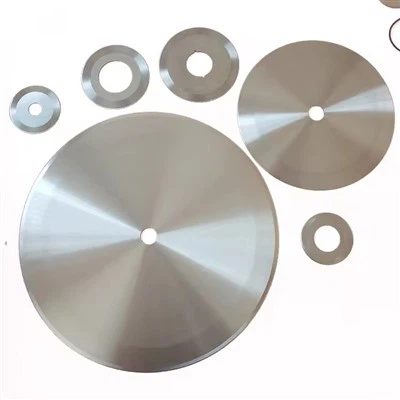
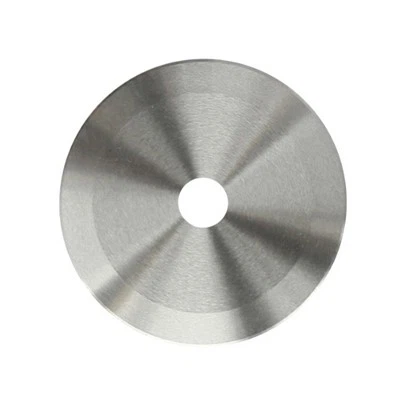
Hey there! As a supplier of packaging machine blades, I've seen firsthand how the blade speed can have a huge impact on the cutting quality of a packaging machine. In this blog post, I'm gonna break down the ins and outs of blade speed and its effects on cutting quality, so you can make the most informed decisions for your packaging operations.


Let's start with the basics. Blade speed refers to how fast the blade rotates or moves during the cutting process. It's usually measured in revolutions per minute (RPM) for rotating blades or in linear speed (like meters per minute) for straight - moving blades. You might be thinking, "Well, faster is better, right?" Not so fast! While speed can sometimes be beneficial, it's not always a straightforward relationship.
How Blade Speed Affects Cutting Quality
Precision and Clean Cuts
One of the most important aspects of cutting quality is precision. When the blade speed is too slow, it can lead to a ragged or uneven cut. Imagine trying to cut through a thick piece of cardboard with a dull knife and moving it very slowly. You'll end up with frayed edges and an unprofessional - looking cut.
On the other hand, if the blade speed is just right, it can slice through the packaging material smoothly, leaving clean and precise edges. This is especially crucial for products that require a high - end finish, like luxury packaging or food products where hygiene and presentation matter a great deal. For example, in the case of a Toothed Blade, the teeth need to cut through the material cleanly at an appropriate speed to ensure that the packaging is not only sealed properly but also looks good.
Heat Generation
Blade speed also has a significant impact on heat generation. When the blade moves too fast, it generates a lot of friction against the packaging material. This friction can cause the blade to heat up rapidly. Excessive heat can have several negative consequences. First, it can damage the blade itself. High temperatures can cause the blade to lose its hardness and sharpness over time, reducing its lifespan.
Secondly, the heat can transfer to the packaging material. If you're cutting through plastic or other heat - sensitive materials, the heat can cause the material to melt or warp. This is a huge problem as it can ruin the packaging and render the product inside unusable. For instance, when using a Filling Machine Tooth Cutting Blade to cut plastic film, maintaining an optimal blade speed is essential to prevent heat - related issues.
Material Compatibility
Different packaging materials require different blade speeds for optimal cutting. For soft and thin materials like paper or thin plastic films, a relatively higher blade speed can be used. These materials are easier to cut, and a faster blade can ensure quick and efficient processing. However, for thicker and tougher materials such as cardboard, leather, or heavy - duty plastics, a slower blade speed might be necessary.
Trying to cut a thick cardboard box with a very high - speed blade can cause the blade to jam or break, and it won't result in a clean cut. So, understanding the material you're working with and adjusting the blade speed accordingly is key to achieving good cutting quality.
Factors to Consider When Adjusting Blade Speed
Machine Design
The design of the packaging machine itself plays a big role in determining the appropriate blade speed. Some machines are built to handle high - speed cutting operations, while others are more suited for slower, precision - based work. The motor power, the blade mounting system, and the overall mechanical structure of the machine all affect how well it can handle different blade speeds.
For example, a machine with a powerful motor can more easily maintain a high blade speed without overheating or losing power. The blade mounting system also needs to be stable enough to support the blade at various speeds. If the blade isn't properly secured, it can wobble at high speeds, leading to poor cutting quality.
Production Volume
Your production volume requirements also influence the blade speed. If you need to produce a large number of packages in a short period, you might be tempted to increase the blade speed to speed up the process. But remember, cutting corners on quality for quantity can backfire.
It's important to find a balance between speed and quality. You might need to invest in a machine that can handle higher speeds without sacrificing cutting quality or adjust your production process to accommodate a slightly slower but more precise cutting speed.
Case Studies
Let's take a look at a couple of real - world examples to illustrate the impact of blade speed on cutting quality.
A food packaging company was using a packaging machine with a blade speed that was too high for the thin plastic film they were using. The high speed caused the blade to heat up, and the plastic film started to melt around the cut edges. This not only made the packages look bad but also affected the seal integrity. Once they adjusted the blade speed to a more appropriate level, the cutting quality improved significantly, and the number of defective packages decreased.
Another example is a company that was cutting thick cardboard boxes for shipping. They initially set the blade speed too low, resulting in ragged edges and inconsistent cuts. After increasing the blade speed slightly, the cuts became cleaner and more precise, and the overall appearance of the packages improved.
How to Optimize Blade Speed
Testing and Calibration
The best way to find the optimal blade speed for your packaging machine is through testing and calibration. Start by setting the blade speed at a moderate level and make a few test cuts. Examine the quality of the cuts, looking for signs of fraying, melting, or unevenness.
If the cuts are not satisfactory, make small adjustments to the blade speed and repeat the process. Keep a record of the blade speed settings and the corresponding cutting quality. Over time, you'll be able to identify the sweet spot for your specific packaging material and machine combination.
Regular Maintenance
Regular maintenance of your packaging machine and blades is also crucial for maintaining optimal blade speed and cutting quality. Keep the blades sharp by sharpening or replacing them as needed. Clean the blade and the machine regularly to remove any debris or buildup that could affect the blade's performance.
Lubricate the moving parts of the machine to reduce friction and ensure smooth operation. A well - maintained machine is more likely to operate at the correct blade speed and produce high - quality cuts.
Conclusion
As a supplier of packaging machine blades, I know that blade speed is a critical factor in determining the cutting quality of a packaging machine. It affects precision, heat generation, and material compatibility. By understanding the relationship between blade speed and cutting quality, considering factors like machine design and production volume, and following best practices for optimization, you can ensure that your packaging operations run smoothly and produce high - quality packages.
If you're looking for high - quality blades for your packaging machine, including Tire Trimming Blade, Toothed Blade, and Filling Machine Tooth Cutting Blade, we've got you covered. We offer a wide range of blades designed to meet the diverse needs of the packaging industry. If you're interested in learning more or discussing your specific requirements, don't hesitate to reach out for a purchase negotiation. We're here to help you achieve the best cutting quality for your packaging operations.
References
- Packaging Machinery Technology Handbook
- Journal of Packaging Science and Technology
- Practical Guide to Blade Selection and Use in Packaging Industry