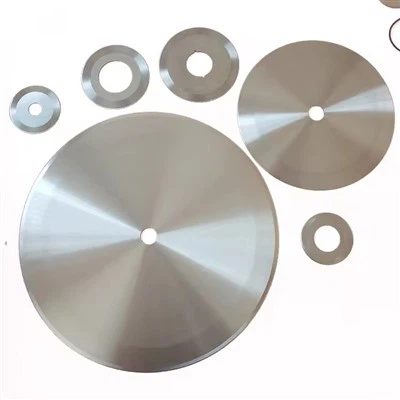
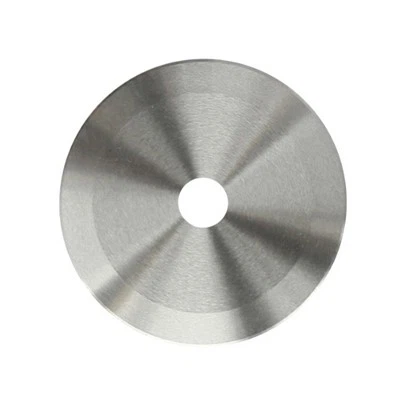
As a supplier of packaging machine blades, I've delved deep into the intricate relationship between the blade and the power consumption of a packaging machine. In this blog, I'll explore the various aspects that connect these two elements and shed light on how choosing the right blade can have a significant impact on energy efficiency.


The Basics of Packaging Machine Power Consumption
Before we dive into the role of the blade, it's crucial to understand the general factors that contribute to a packaging machine's power consumption. A packaging machine typically consists of multiple components such as motors, conveyors, heating elements (in case of heat - sealing machines), and the cutting mechanism. The power consumed by these components is influenced by factors like the machine's size, speed, complexity, and the nature of the packaging materials being processed.
For instance, a high - speed packaging machine that operates continuously will consume more power than a slower one. Similarly, machines that handle thick or tough packaging materials require more energy to perform tasks like cutting and sealing.
How the Blade Affects Power Consumption
Blade Design
The design of the packaging machine blade plays a pivotal role in power consumption. A well - designed blade can cut through packaging materials with minimal resistance, reducing the amount of energy the machine needs to expend.
For example, the T Type Packaging Machine Blade is engineered with a specific tooth profile that enables it to penetrate and cut through materials more efficiently. The teeth are designed to grip the material firmly and slice through it cleanly, rather than tearing or forcing it. This reduces the load on the machine's cutting motor, resulting in lower power consumption.
On the other hand, a poorly designed blade may have dull or irregular teeth, or an improper shape. Such a blade will struggle to cut through the material, causing the machine to work harder and consume more power. It may also lead to uneven cuts, which can result in product waste and additional energy expenditure in re - processing.
Blade Material
The material of the blade is another crucial factor. High - quality blade materials are often harder, more wear - resistant, and have better cutting performance. For example, blades made from high - carbon steel or tungsten carbide can maintain their sharpness for a longer time compared to blades made from lower - grade materials.
A sharp blade requires less force to cut through packaging materials. As a result, the machine's motor doesn't have to work as hard, leading to reduced power consumption. When a blade becomes dull, the machine has to apply more pressure to achieve the same cut, which significantly increases energy usage.
The Packaging Machine Blade is made from premium materials that are carefully selected for their cutting properties. These materials ensure that the blade remains sharp over an extended period, helping the packaging machine operate more efficiently and consume less power.
Blade Sharpness and Maintenance
Maintaining the sharpness of the blade is essential for minimizing power consumption. Regular blade maintenance, including sharpening and replacement when necessary, can have a direct impact on the machine's energy efficiency.
A sharp blade, like the Straight Serrated Cutting Blade, can cut through packaging materials smoothly and quickly. In contrast, a dull blade will cause the machine to slow down, increase the load on the motor, and ultimately consume more power.
Blade sharpening should be done at appropriate intervals based on the machine's usage and the type of materials being cut. Over - sharpening can also be a problem, as it can reduce the blade's lifespan and change its cutting properties. Therefore, it's important to follow the manufacturer's guidelines for blade maintenance.
Case Studies: Impact of Blade Quality on Power Consumption
Let's take a look at some real - world examples to illustrate the relationship between blade quality and power consumption.
In a food packaging plant, two identical packaging machines were used to package snack products. One machine was equipped with high - quality T Type Packaging Machine Blades, while the other used lower - grade blades.
Over a period of one month, the machine with the high - quality blades consumed 15% less power than the machine with the lower - grade blades. This was mainly because the high - quality blades cut through the packaging film more efficiently, reducing the load on the cutting motor. Additionally, the machine with the better blades had fewer breakdowns and required less maintenance, further contributing to overall cost savings.
In another case, a pharmaceutical packaging company switched from using standard blades to Straight Serrated Cutting Blades for cutting blister packs. The new blades were sharper and more durable, resulting in a 12% reduction in power consumption. The improved cutting performance also led to fewer defective products, increasing the overall productivity of the packaging line.
Choosing the Right Blade for Energy Efficiency
When selecting a blade for your packaging machine, there are several factors to consider to ensure maximum energy efficiency.
First, assess the type of packaging materials you'll be working with. Different materials require different blade designs and materials. For example, thick plastic films may need blades with a more aggressive tooth profile, while thin paper materials may require a finer - toothed blade.
Second, consider the machine's operating speed. High - speed machines need blades that can maintain their cutting performance under rapid - fire conditions. A blade that can't keep up with the speed may cause the machine to slow down or consume more power.
Third, look for blades from reputable suppliers. A reliable supplier will provide high - quality blades that are designed and manufactured to strict standards. They will also offer technical support and guidance on blade selection and maintenance.
Conclusion
The power consumption of a packaging machine is closely related to the blade. A well - designed, high - quality blade can significantly reduce energy usage by cutting through packaging materials more efficiently. Factors such as blade design, material, sharpness, and maintenance all play important roles in determining the blade's impact on power consumption.
As a supplier of packaging machine blades, I'm committed to providing products that not only meet the highest quality standards but also help our customers reduce their energy costs. If you're interested in learning more about our Packaging Machine Blades or have specific requirements for your packaging machine, I encourage you to reach out to us for a detailed discussion. We can help you choose the right blade for your application and ensure that your packaging machine operates at its most energy - efficient level.
References
- "Packaging Machinery Technology Handbook" - A comprehensive reference on the design and operation of packaging machines, including information on power consumption and cutting mechanisms.
- Industry research reports on the impact of blade quality on the performance and energy efficiency of packaging machines.
- Manufacturer's guidelines for blade selection, maintenance, and usage in packaging machines.