On-Site Production Pain Points We Summed Up for Easy-Tear Notch Processing
We have partnered with dozens of packaging manufacturers across Russia, Thailand, and Vietnam, and many production supervisors shared recurring issues related to easy-tear notch punching. Blades with insufficient hardness crack after only a short period of high-speed punching; uneven V-notches make pouches hard for end consumers to tear open smoothly; mismatched mounting hole dimensions also lead to frequent machine disassembly and unplanned downtime.
This guide consolidates hands-on field experience for V-notch easy-tear punching blades supplied by Big Brother Cutting Tool Co., Ltd.
It covers compatible packaging equipment, material grade selection, structural advantages, region-specific operational adjustments, daily maintenance routines and troubleshooting tips, tailored to food and daily chemical plastic pouch production lines across the three target markets.
Basic Structure & Core Advantages of V-Notch Easy-Tear Blades
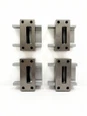
All of our tear-notch cutters adopt an integrated one-piece forming process, engineered exclusively for continuous bag-making and heat-sealing packaging equipment. Below are the core structural benefits validated through mass production trials.
Standard Integrated V-Sharp Cutting Tip
The one-piece V-angle punch creates clean, uniform tear notches in a single stamping stroke, free of burrs or partial incomplete cuts on composite film pouches. End users can easily open packaged goods without scissors, significantly improving the consumer experience for retail food and daily chemical products.
Universal Dual Circular Mounting Positioning Holes
Two pre-drilled round mounting holes on each blade enable cross-machine compatibility. The blade fits compact desktop impulse sealers as well as large-scale continuous industrial VFFS and HFFS packaging lines, eliminating the need for custom fixture brackets when switching between different machines.
High-Wear-Resistant Mold Steel Raw Material
We use Cr12MoV and SKD11 mold steel as base blanks, fully quenched and tempered to reach a hardness range of HRC 58–62. The sharp V-tip resists chipping during long-hour high-speed punching, and each blade can be reground multiple times to extend total service life and cut recurring replacement costs.
Multiple Standard Sizes to Cover All Production Line Scales
We manufacture short and long standard blade sizes separately. Compact short blades match small-batch desktop sealers for workshop trial runs; longer, large-format blades suit high-speed, continuous bag-making lines running at over 300 packs per minute. This range accommodates small manual workshops and fully automated large factories alike. An optional black wear-resistant coating is available to reduce sticky film residue buildup in high-humidity tropical production spaces.
Matching Table: V-Notch Blades & Mainstream Packaging Equipment
We compiled this compatibility table from thousands of on-site machine commissioning records, so procurement engineers and maintenance technicians can quickly identify matching blade models.
| Equipment Type | Matching Easy-Tear Blade Model | Main Processed Packaging Materials | Target Factory Clients |
|---|---|---|---|
| VFFS Vertical Fill & Seal Packer | Long-format dual-hole V-notch blade | PE plastic bags, composite aluminum foil pouches, food vacuum bags | Large food processing plants, mass snack packaging production lines |
| HFFS Horizontal Flow Wrapper | Medium-size standard tear-notch cutter | Frozen food pillow pouches, pastry sealed packs, seasoning sachets | Central kitchen food manufacturers, ready-meal producers |
| Impulse Desktop Heat Sealer | Compact short easy-tear punching blade | Small daily chemical sample pouches, mini seasoning bags, retail snack packs | Small independent packaging workshops, local consumer goods processors |
| Continuous Bag-Making Machine | High-hardness coated V-notch punch blade | Multi-layer composite film, thick seafood vacuum pouches, sauce packaging sacks | Professional bag-making consumable wholesalers, plastic film converting factories |
Food-Grade Mold Steel Material Selection for Regional Climate Conditions
A blade's anti-rust, wear-resistant, and non-stick performance must align with local workshop temperature and humidity levels. We have sorted targeted material selection recommendations for Russia, Thailand and Vietnam respectively.
| Material Grade | Hardness Rating | Core Performance Benefits | Suitable Regional Production Environment |
|---|---|---|---|
| Cr12MoV Mold Steel | HRC 58~60 | Balanced wear resistance and impact toughness, cost-effective standard option | All three markets; dry indoor packaging lines without prolonged acid or salt exposure |
| SKD11 High-Wear-Resistant Steel | HRC 60~62 | Extended service life under non-stop high-speed punching, less frequent regrinding cycles | High-output automated production lines across all regions; ideal for high-sugar food packaging workshops in Thailand |
| SKD11 with Black Anti-Stick Coating | HRC 60~62 | Prevents sugar, starch and sauce residue from adhering to the V-cutting tip for simpler daily cleaning | Tropical high-humidity fruit and snack factories in Thailand, coastal seafood and sauce processing plants in Vietnam |
Regional Material Matching Guidelines
Russia Low-Temperature Food Packaging Workshops (Dry, Cold Environments)
Standard Cr12MoV V-notch blades satisfy most punching requirements for frozen food pouches. For 24/7 high-speed continuous production lines, upgrading to SKD11 reduces downtime spent on blade swaps. Low ambient humidity minimizes corrosion risk, so additional anti-rust coatings are generally unnecessary.
Thailand Tropical High-Temperature & High-Humidity Workshops (75%–95% RH, High-Sugar Fruit & Snack Production)
SKD11 blades with black anti-stick coating are our default recommendation. Sugar residue easily carbonizes and adheres to uncoated steel V-tips under sustained heat sealing temperatures. The special coating cuts residue buildup and shortens daily cleaning workflows.
Vietnam Coastal Seafood & Sauce Processing Plants (Year-Round Salt Fog, Acidic Raw Materials)
SKD11-coated blades are mandatory for these facilities. Salt crystals and acidic sauce vapor accelerate rust formation on standard mold steel. The surface barrier coating slows metal corrosion and prevents uneven V-notch punching caused by rust spots.
Standard Installation & Region-Tailored Operational Tips
Incorrect punching clearance and inadequate preheating before startup are the two leading causes of chipped blade tips and malformed tear notches.
Blade Mounting Specifications
Align the blade's two circular positioning holes with the machine fixture bolts and keep the blade fully horizontal without tilt. The punching clearance between the V-tip and lower forming mold must stay within 0.02mm; excessive clearance creates shallow, incomplete notches on thick composite film pouches.
Regional Preheating Protocols Before Production Startup
Equipment in Russian cold-climate workshops requires a 10-minute preheating cycle prior to continuous punching. This eliminates mold steel brittleness at sub-zero temperatures and prevents V-tip fracture during operation.
Workshops in Thailand and Vietnam with high ambient humidity should wipe the V-cutting tip with food-safe alcohol every two hours during production. This dissolves accumulated sugar or salt residue to stop film adhesion and distorted tear notches.
Compatible Packaging Film Range
This series of V-notch easy-tear blades works seamlessly with single-layer PE plastic film, multi-layer aluminum composite foil, food vacuum film, frozen food composite packaging film and cosmetic plastic sachets. It covers nearly all mainstream flexible packaging substrates used by manufacturers in Russia, Thailand, and Vietnam.
Tiered Maintenance Schedule for V-Notch Punch Blades
Consistent routine maintenance can extend blade service life by over 35%. We split maintenance into daily and weekly cycles, with extra procedures added for humid coastal factories.
Daily Maintenance (At the End of Every Production Shift)
- Use a soft nylon brush to clear plastic film, sugar, and salt residue from the V-cutting tip; wipe with alcohol and air-dry completely.
- Inspect the V-tip for tiny chips and rust spots. Minor dull edges can be temporarily polished with fine food-grade abrasive sandpaper for short-term continued production.
- Loosen mounting bolts, clear dust from positioning holes, then retighten firmly to stop the blade from shifting during high-speed punching.
Weekly Deep Maintenance
- Fully detach the blade from its fixture and soak it in neutral cleaning solution for 15 minutes to dissolve hardened carbonized residue.
- Re-grind the sharp V-angle if the tear notches become shallow and irregular, restoring the original precise punching profile.
- Extra step for Vietnam coastal facilities: Wipe the entire blade with anti-salt-fog protective oil to slow rust damage from airborne sea salt particles.
Storage Standards For Extended Shutdowns (Over 72 Hours)
Thoroughly remove all surface residue, spray a thin layer of food-safe anti-rust oil, then seal the blade inside a moisture-proof plastic bag with desiccant packs.
Factories in Thailand's rainy season and Vietnam's coastal zones must store blades inside dehumidified storage cabinets. Russian winter storage rooms need to maintain temperatures above zero to avoid frost corrosion on cutting edges.
Factories in Thailand's rainy season and Vietnam's coastal zones must store blades inside dehumidified storage cabinets. Russian winter storage rooms need to maintain temperatures above zero to avoid frost corrosion on cutting edges.
Common Punching Defects, Root Causes & Targeted Fixes
We compiled the most frequent V-notch quality issues reported by packaging factories across the three markets, highlighted region-specific root triggers, and provided actionable on-site solutions for maintenance teams.
| Defect Symptom | Root Cause (Regional Risk Highlight) | Practical Solution |
|---|---|---|
| Shallow, incomplete V tear notches on finished pouches | Excessive punching clearance; dull V-tip; sticky sugar residue (unique to Thailand snack lines) | Readjust fixture clearance; re-grind blade tip; schedule hourly alcohol cleaning for high-sugar packaging production |
| Frequent chipping of the V cutting tip | Low-temperature metal brittleness (Russian cold-line risk); hard foreign contaminants mixed into packaging film; low-hardness Cr12MoV blades under 24-hour continuous high-speed punching | Fully preheat equipment before startup; install filter screens upstream of the punching station; upgrade to SKD11 high-hardness blades for non-stop mass production |
| Rust spots forming on the V cutting edge | Year-round coastal salt fog (Vietnam); persistent workshop condensation (Thailand); uncoated bare mold steel | Switch to SKD11 blades with anti-stick coating; complete full hot-air drying after every shift; weekly anti-salt-oil maintenance for coastal processing plants |
| Misaligned V-notch positions on finished pouches | Loose mounting bolts; deformed positioning holes from long-term machine vibration | Retighten fixture bolts on a regular schedule; replace the blade once circular mounting holes show heavy wear |
| Plastic film sticks tightly to the V-tip during punching | Built-up starch, sugar or sauce residue (primary issue for Thailand and Vietnam food lines) | Deploy black anti-stick coated blades; implement fixed hourly cleaning cycles during mass production runs |
Procurement Guidance for Regional Factories
Our V-notch easy-tear punching blades support full OEM custom sizing to fit VFFS, HFFS, impulse sealers, and domestic/imported bag-making machines widely deployed in Russia, Thailand, and Vietnam. All mold steel raw material batches come with complete material certification documents for factory HACCP audits and local customs clearance inspections.
- Small & medium-scale packaging workshops: Stock 2–3 spare blades matching each production machine model, and schedule blade regrinding every 1,000 production hours to cut one-off procurement expenses.
- Large automated food and daily chemical packaging production lines: Standardize SKD11 coated blades as your primary consumable. Sign annual framework supply contracts to access bulk order discounts and consistent fast lead times.