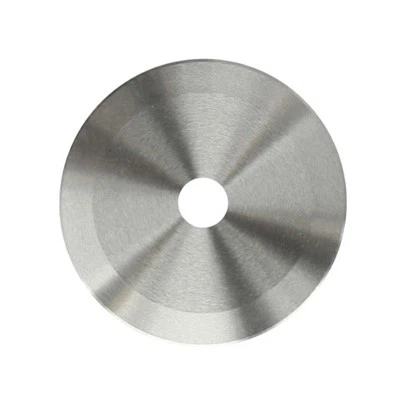
Can a crusher blade be used in a metal crusher? That's a question I've been asked a bunch of times as a crusher blade supplier. Let's dig into this topic and see what's what.
First off, let's talk about what crusher blades are. Crusher blades are these super - important parts in all sorts of crushing machines. They're designed to slice, cut, and break down different materials. We offer a wide range of Crusher Blade that are made with high - quality materials and advanced manufacturing techniques.
Now, when it comes to metal crushers, they have a specific job. Metal crushers are used to reduce large pieces of metal into smaller, more manageable sizes. This could be for recycling purposes, making it easier to transport the metal, or preparing it for further processing.
So, can a regular crusher blade work in a metal crusher? Well, it depends on a few factors.
Blade Material
The material of the blade is crucial. Metal is tough, really tough. It has a high hardness and can be quite abrasive. So, if you're going to use a blade in a metal crusher, it needs to be made of a material that can stand up to this abuse.
Some common materials for crusher blades are high - carbon steel, alloy steel, and tungsten carbide. High - carbon steel is relatively inexpensive and has decent hardness, but it may wear out quickly when used for crushing metal. Alloy steel, on the other hand, has better wear resistance and toughness. It's a popular choice for many crusher applications, including metal crushing. Tungsten carbide is the king of the hill when it comes to hardness and wear resistance. It can handle the most challenging metal - crushing tasks, but it's also more expensive.
If you have a blade made of a soft material and try to use it in a metal crusher, it'll dull in no time. You'll end up with a blade that can't cut through the metal effectively, and you'll have to replace it frequently. That's not only a hassle but also an added cost.
Blade Design
The design of the blade also plays a big role. Metal crushers often require blades with a specific shape and cutting edge geometry. For example, some metal crushers use blades with a serrated edge. The serrations help to grip the metal and make the cutting process more efficient.
The thickness of the blade is another important factor. A thicker blade may be more suitable for crushing large, heavy - duty metal pieces, as it can withstand more force without bending or breaking. On the other hand, a thinner blade might be better for lighter - gauge metals or when a more precise cut is needed.
Our company offers a variety of blade designs to meet different metal - crushing needs. Whether you're dealing with thin sheets of aluminum or thick chunks of steel, we've got a blade that can do the job.
Compatibility with the Crusher
Just having the right blade isn't enough. The blade also needs to be compatible with the metal crusher. Different crushers have different specifications, such as the size of the blade mounting area, the rotational speed, and the power of the motor.
If the blade doesn't fit properly in the crusher, it can cause all sorts of problems. It might not rotate smoothly, which can lead to uneven cutting and premature wear of the blade. It could also put extra stress on the crusher's motor and other components, potentially causing damage.
Before using a crusher blade in a metal crusher, you need to make sure that it meets the specifications of the crusher. You may need to consult the crusher's manual or the manufacturer to get the right information.


Advantages of Using the Right Blade in a Metal Crusher
Using the right crusher blade in a metal crusher has several advantages.
- Efficiency: A well - designed and properly made blade can cut through metal quickly and easily. This means that the crusher can process more metal in less time, increasing the overall productivity of your operation.
- Cost - effectiveness: Although a high - quality blade may cost more upfront, it will last longer and require fewer replacements. In the long run, this can save you a significant amount of money on blade replacement and maintenance costs.
- Quality of the Output: The right blade can produce a more consistent and uniform output. This is important if you're recycling the metal or using it for further manufacturing processes. A better - quality output can fetch a higher price in the market.
Other Blades in Our Product Line
In addition to crusher blades, we also offer other types of blades, such as Laminating Machine Blade and PE Film Slitting Blade. These blades are used in different industries and have their own unique requirements.
Laminating machine blades are used to cut and trim laminated materials. They need to be sharp and precise to ensure a clean cut. Our laminating machine blades are made with high - quality materials and are designed to provide long - lasting performance.
PE film slitting blades are used to cut polyethylene films. These blades need to be able to cut through the film smoothly without causing any tearing or fraying. Our PE film slitting blades are engineered to meet these requirements and provide excellent cutting results.
Conclusion
So, can a crusher blade be used in a metal crusher? The answer is yes, but it has to be the right blade. You need to consider the blade material, design, and compatibility with the crusher. Using the right blade can bring many benefits, including increased efficiency, cost - effectiveness, and better - quality output.
If you're in the market for crusher blades, laminating machine blades, or PE film slitting blades, we're here to help. We have a wide range of products to choose from, and our team of experts can assist you in selecting the right blade for your specific needs. Don't hesitate to reach out to us for more information or to start a purchase negotiation.
References
- "Cutting Tool Engineering Handbook", various authors.
- Manufacturer's manuals of different crushers and cutting machines.