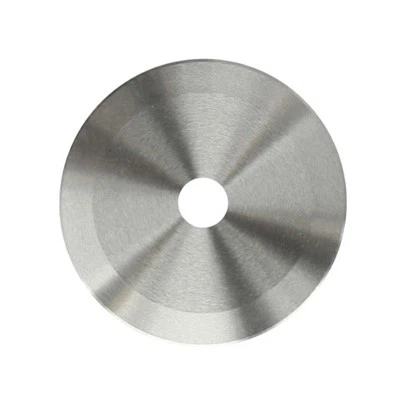
In the dynamic world of packaging, the efficiency and effectiveness of sealing processes are paramount. As a trusted supplier of sealing machine blades, I've witnessed firsthand the diverse needs of industries relying on various packaging materials. One common question that often arises is whether a single sealing machine blade can be used on different types of packaging materials. In this blog post, we'll delve into this topic, exploring the factors at play and the practical considerations for using sealing machine blades across various packaging substrates.
Understanding Packaging Materials
Before we can determine the suitability of a sealing machine blade for different packaging materials, it's essential to understand the characteristics of these materials. Packaging materials come in a wide range of forms, each with its own unique properties that can impact the sealing process. Some of the most common types of packaging materials include:
- Plastic Films: Plastic films, such as polyethylene (PE), polypropylene (PP), and polyester (PET), are widely used in the packaging industry due to their versatility, flexibility, and cost-effectiveness. These films can be used for various applications, including food packaging, pharmaceutical packaging, and industrial packaging.
- Paper and Cardboard: Paper and cardboard are traditional packaging materials that are still widely used today. They are biodegradable, recyclable, and can be easily printed on, making them a popular choice for many products. Paper and cardboard can be used for packaging everything from consumer goods to industrial products.
- Metal Foil: Metal foil, such as aluminum foil, is commonly used in the packaging industry for its excellent barrier properties. It can protect products from moisture, oxygen, light, and other environmental factors, making it ideal for packaging food, pharmaceuticals, and other sensitive products.
- Composite Materials: Composite materials are made by combining two or more different materials to create a material with enhanced properties. For example, a composite material may consist of a plastic film laminated to a layer of paper or cardboard. Composite materials are often used in the packaging industry to provide a combination of barrier properties, strength, and flexibility.
Factors Affecting Blade Compatibility
The compatibility of a sealing machine blade with different packaging materials depends on several factors, including:
- Material Hardness: The hardness of the packaging material can have a significant impact on the performance of the sealing machine blade. Harder materials, such as metal foil and some types of plastic films, may require a blade with a higher cutting edge hardness to ensure clean and precise cuts. Softer materials, such as paper and cardboard, may be more easily cut with a blade with a lower cutting edge hardness.
- Material Thickness: The thickness of the packaging material is another important factor to consider. Thicker materials may require a blade with a greater cutting depth to ensure complete penetration and a clean cut. Thinner materials, on the other hand, may require a blade with a finer cutting edge to prevent tearing or damage.
- Material Surface Finish: The surface finish of the packaging material can also affect the performance of the sealing machine blade. Smooth surfaces may be more easily cut with a blade with a sharp cutting edge, while rough or textured surfaces may require a blade with a serrated or toothed edge to provide better grip and prevent slippage.
- Sealing Method: The sealing method used in the packaging process can also impact the choice of sealing machine blade. For example, heat sealing requires a blade that can withstand high temperatures without losing its cutting edge sharpness. Ultrasonic sealing, on the other hand, may require a blade with a specific design to optimize the ultrasonic energy transfer.
Blade Types for Different Packaging Materials
Based on the factors discussed above, different types of sealing machine blades are available for use with various packaging materials. Some of the most common types of blades include:
- Carton Sealing Machine Blade: Carton Sealing Machine Blade are specifically designed for use with paper and cardboard packaging materials. They typically have a serrated or toothed edge to provide better grip and prevent slippage, making them ideal for cutting through thick or fibrous materials.
- Toothed Blade: Toothed Blade are versatile blades that can be used with a wide range of packaging materials, including plastic films, paper, and cardboard. They have a series of teeth along the cutting edge, which provides better cutting performance and reduces the risk of tearing or damage to the material.
- Filling Machine Tooth Cutting Blade: Filling Machine Tooth Cutting Blade are designed for use in filling machines, where they are used to cut the packaging material during the filling process. These blades typically have a sharp cutting edge and a high cutting speed to ensure efficient and accurate cutting.
Practical Considerations
While it is possible to use a single sealing machine blade on different types of packaging materials in some cases, it's important to note that this may not always be the most efficient or effective solution. Using a blade that is not specifically designed for a particular packaging material can result in poor cutting performance, increased blade wear, and a higher risk of product damage. Therefore, it's recommended to choose a blade that is specifically designed for the packaging material being used to ensure optimal performance and longevity.
In addition to choosing the right blade, it's also important to properly maintain and care for the sealing machine blade to ensure its continued performance. This includes regularly cleaning the blade to remove any debris or residue, sharpening the blade as needed, and replacing the blade when it becomes worn or damaged.


Conclusion
In conclusion, the compatibility of a sealing machine blade with different packaging materials depends on several factors, including material hardness, thickness, surface finish, and sealing method. While it is possible to use a single blade on different types of packaging materials in some cases, it's generally recommended to choose a blade that is specifically designed for the packaging material being used to ensure optimal performance and longevity. As a sealing machine blade supplier, we offer a wide range of blades that are designed to meet the needs of different packaging applications. If you have any questions or need assistance in choosing the right blade for your packaging needs, please don't hesitate to contact us. We look forward to working with you to find the best solution for your sealing requirements.
References
- Packaging Machinery Manufacturers Institute (PMMI). (n.d.). Packaging Materials. Retrieved from [Website URL]
- American Society for Testing and Materials (ASTM). (n.d.). Standards for Packaging Materials. Retrieved from [Website URL]
- Sealant Equipment & Engineering, Inc. (n.d.). Sealing Machine Blades: A Guide to Selection and Maintenance. Retrieved from [Website URL]