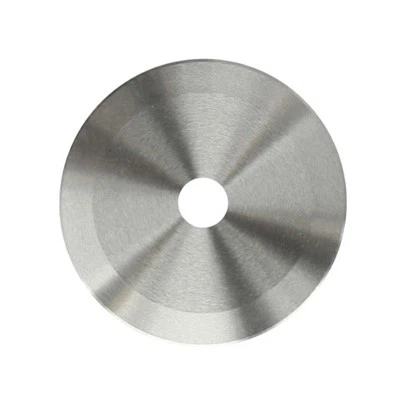
As a supplier of toothed cutters, one question I often encounter from customers is whether a toothed cutter can be used in wet conditions. This is a crucial inquiry as it pertains to the practical application and durability of our products. In this blog post, I will delve into this topic in detail, exploring the factors at play, the potential impacts, and the appropriate measures to take.
Understanding Toothed Cutters
Toothed cutters are essential tools in various industries, including manufacturing, food processing, and packaging. They are designed with sharp teeth along the cutting edge to efficiently slice through different materials such as paper, cardboard, plastics, and even some metals. These cutters come in different shapes, sizes, and tooth configurations to meet the specific requirements of different applications. For instance, the Filling Machine Tooth Cutting Blade is specifically designed for use in filling machines, where precision cutting is crucial for accurate product filling. Similarly, the Cigarette Pack Cutting Machine Blade is tailored to the unique needs of the cigarette packaging industry.
The Impact of Wet Conditions on Toothed Cutters
Corrosion
One of the primary concerns when using a toothed cutter in wet conditions is corrosion. Most toothed cutters are made of metal, which is susceptible to rust when exposed to moisture. Corrosion can significantly affect the performance and lifespan of the cutter. As rust forms on the surface of the cutter, it can cause the teeth to become dull and lose their sharpness. This, in turn, reduces the cutting efficiency and may lead to uneven cuts or even damage to the material being cut. Additionally, severe corrosion can weaken the structural integrity of the cutter, increasing the risk of breakage during operation.
Lubrication and Friction
In a dry environment, toothed cutters often rely on lubricants to reduce friction between the cutting edge and the material. However, in wet conditions, the presence of water can wash away these lubricants, leading to increased friction. Higher friction not only makes the cutting process more difficult but also generates more heat. Excessive heat can cause the cutter to expand, which may affect its dimensional accuracy and further contribute to wear and tear.
Material Compatibility
The material being cut can also interact differently with the cutter in wet conditions. Some materials may absorb water and become softer or more pliable, which can change the cutting dynamics. For example, paper or cardboard may become soggy when wet, making it more challenging for the toothed cutter to make clean cuts. On the other hand, certain plastics may become more slippery, increasing the risk of the cutter slipping off the material and causing accidents.
Can Toothed Cutters Be Used in Wet Conditions?
The answer is not a simple yes or no. It depends on several factors, including the type of toothed cutter, the material being cut, and the specific wet conditions.


Suitable Situations
In some cases, toothed cutters can be used in wet conditions. For example, if the cutter is made of a corrosion-resistant material such as stainless steel, it can withstand the presence of moisture to a certain extent. Stainless steel toothed cutters are commonly used in food processing industries where wet environments are common due to cleaning and sanitation requirements. Additionally, if the wet conditions are relatively mild, such as light mist or occasional splashes, and the cutter is properly maintained, it may still be able to function effectively.
Unsuitable Situations
However, in more extreme wet conditions, such as continuous submersion in water or exposure to highly corrosive liquids, using a toothed cutter is generally not recommended. In these situations, the risk of corrosion and damage to the cutter is significantly increased, and the performance of the cutter will likely be severely compromised.
Measures to Use Toothed Cutters in Wet Conditions
Choose the Right Material
When selecting a toothed cutter for use in wet conditions, it is essential to choose a cutter made of a corrosion-resistant material. As mentioned earlier, stainless steel is a popular choice due to its excellent resistance to rust. There are also other specialty alloys available that offer even higher levels of corrosion resistance. For example, some cutters are coated with a protective layer, such as titanium nitride, which can further enhance their durability in wet and corrosive environments.
Proper Maintenance
Regular maintenance is crucial to ensure the longevity and performance of a toothed cutter in wet conditions. After each use, the cutter should be thoroughly cleaned and dried to remove any moisture and debris. Applying a corrosion inhibitor or a protective coating can also help prevent rust formation. Additionally, it is important to regularly inspect the cutter for signs of wear and damage and replace it if necessary.
Adjust the Cutting Parameters
In wet conditions, it may be necessary to adjust the cutting parameters to account for the changes in friction and material properties. For example, reducing the cutting speed can help minimize heat generation and reduce the risk of damage to the cutter. It may also be necessary to increase the pressure slightly to compensate for the reduced cutting efficiency caused by the wet material.
Conclusion
In conclusion, while it is possible to use a toothed cutter in wet conditions, it requires careful consideration and appropriate measures to ensure optimal performance and longevity. By choosing the right material, implementing proper maintenance procedures, and adjusting the cutting parameters, it is possible to mitigate the negative effects of wet conditions on the cutter.
If you are in need of high-quality toothed cutters for your specific application, whether it is in a dry or wet environment, we are here to help. Our Toothed Blade products are designed to meet the highest standards of quality and performance. We offer a wide range of toothed cutters to suit various industries and applications. If you have any questions or would like to discuss your specific requirements, please feel free to contact us for a detailed consultation and procurement negotiation.
References
- "Handbook of Cutting Tools" by Peter K. Wright and Marco A. Dornfeld
- "Metal Cutting Principles" by Geoffrey Boothroyd and Winston A. Knight
- Industry reports on the use of toothed cutters in different environments