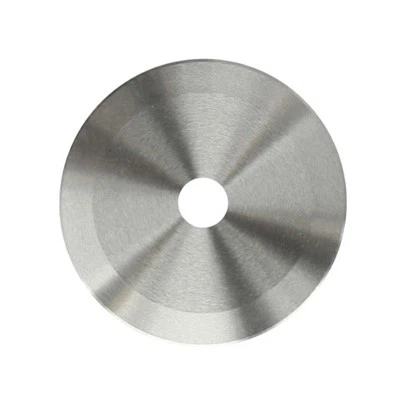
When it comes to cutting tools, the choice between a toothed blade and a reciprocating saw blade can significantly impact the efficiency and quality of your work. As a toothed blade supplier, I've had the privilege of witnessing firsthand the unique capabilities of toothed blades and how they stack up against reciprocating saw blades. In this blog post, I'll delve into the characteristics, applications, advantages, and limitations of both types of blades to help you make an informed decision for your cutting needs.
Characteristics of Toothed Blades
Toothed blades are characterized by their serrated edges, which consist of multiple teeth designed to cut through various materials. These teeth come in different shapes, sizes, and configurations, each tailored to specific cutting applications. The design of the teeth determines the blade's cutting performance, including its cutting speed, smoothness, and ability to handle different materials.
One of the key features of toothed blades is their versatility. They can be used to cut a wide range of materials, including wood, metal, plastic, and paper. This versatility makes them a popular choice for various industries, such as woodworking, metalworking, packaging, and printing.
Another advantage of toothed blades is their precision. The serrated edges allow for accurate cutting, making them ideal for applications that require high precision, such as cutting intricate shapes or patterns. Additionally, toothed blades can provide a clean and smooth cut, reducing the need for additional finishing work.

Types of Toothed Blades
There are several types of toothed blades available, each designed for specific applications. Some of the most common types include:

- Dotted Paper Cutting Blade: These blades are specifically designed for cutting paper and cardboard. They feature a series of small dots or perforations along the cutting edge, which help to prevent the paper from tearing or fraying.
- Filling Machine Tooth Cutting Blade: These blades are used in filling machines to cut and seal packaging materials. They are designed to provide a clean and precise cut, ensuring that the packaging is properly sealed and the product is protected.
- Carton Sealing Machine Blade: These blades are used in carton sealing machines to cut and seal cardboard boxes. They are designed to provide a strong and secure seal, ensuring that the boxes are properly sealed and the contents are protected during shipping and storage.
Characteristics of Reciprocating Saw Blades
Reciprocating saw blades are designed to move back and forth in a reciprocating motion, similar to the movement of a saw. They are typically used for heavy-duty cutting applications, such as cutting through thick materials, demolition work, and pruning.
One of the main advantages of reciprocating saw blades is their power. They are capable of delivering high cutting forces, making them suitable for cutting through tough materials, such as metal, wood, and plastic. Additionally, reciprocating saw blades can be used in a variety of positions, including vertical, horizontal, and angled, providing greater flexibility and versatility.
Another advantage of reciprocating saw blades is their speed. They can cut through materials quickly, reducing the time and effort required for cutting. This makes them a popular choice for applications that require fast and efficient cutting, such as demolition work and construction.
Applications of Toothed Blades and Reciprocating Saw Blades
The choice between a toothed blade and a reciprocating saw blade depends on the specific application and the material being cut. Here are some common applications for each type of blade:
Toothed Blades
- Woodworking: Toothed blades are commonly used in woodworking applications, such as cutting boards, panels, and furniture. They can provide a clean and smooth cut, reducing the need for sanding and finishing.
- Metalworking: Toothed blades can also be used in metalworking applications, such as cutting sheet metal, pipes, and bars. They are capable of cutting through various types of metals, including steel, aluminum, and copper.
- Packaging and Printing: Toothed blades are widely used in the packaging and printing industries for cutting paper, cardboard, and plastic films. They can provide a precise and clean cut, ensuring that the packaging is properly sealed and the product is protected.
Reciprocating Saw Blades
- Demolition Work: Reciprocating saw blades are commonly used in demolition work for cutting through walls, floors, and other structures. They are capable of delivering high cutting forces, making them suitable for cutting through tough materials, such as concrete, brick, and metal.
- Construction: Reciprocating saw blades are also used in construction applications, such as cutting pipes, cables, and framing materials. They can provide a fast and efficient way to cut through materials, reducing the time and effort required for construction projects.
- Pruning: Reciprocating saw blades can be used for pruning trees and shrubs. They are capable of cutting through thick branches quickly and easily, making them a popular choice for landscapers and arborists.
Advantages and Limitations of Toothed Blades and Reciprocating Saw Blades
Both toothed blades and reciprocating saw blades have their own advantages and limitations. Here are some of the key advantages and limitations of each type of blade:
Toothed Blades
- Advantages:
- Versatility: Toothed blades can be used to cut a wide range of materials, making them a popular choice for various industries.
- Precision: The serrated edges of toothed blades allow for accurate cutting, making them ideal for applications that require high precision.
- Clean and Smooth Cut: Toothed blades can provide a clean and smooth cut, reducing the need for additional finishing work.
- Limitations:
- Limited Cutting Power: Toothed blades may not be suitable for cutting through very thick or tough materials.
- Slower Cutting Speed: Compared to reciprocating saw blades, toothed blades may have a slower cutting speed.
Reciprocating Saw Blades
- Advantages:
- Power: Reciprocating saw blades are capable of delivering high cutting forces, making them suitable for cutting through tough materials.
- Speed: Reciprocating saw blades can cut through materials quickly, reducing the time and effort required for cutting.
- Flexibility: Reciprocating saw blades can be used in a variety of positions, providing greater flexibility and versatility.
- Limitations:
- Limited Precision: Reciprocating saw blades may not provide the same level of precision as toothed blades, making them less suitable for applications that require high precision.
- Rough Cut: Reciprocating saw blades may leave a rough cut, requiring additional finishing work.
Conclusion
In conclusion, the choice between a toothed blade and a reciprocating saw blade depends on the specific application and the material being cut. Toothed blades are versatile, precise, and provide a clean and smooth cut, making them suitable for a wide range of applications. Reciprocating saw blades, on the other hand, are powerful, fast, and flexible, making them ideal for heavy-duty cutting applications.
As a toothed blade supplier, I understand the importance of choosing the right blade for your cutting needs. That's why I offer a wide range of toothed blades, including Dotted Paper Cutting Blade, Filling Machine Tooth Cutting Blade, and Carton Sealing Machine Blade, to meet the diverse needs of my customers.

If you're looking for high-quality toothed blades for your cutting applications, I encourage you to contact me for more information. I'll be happy to help you choose the right blade for your needs and provide you with the best possible service.
References
- Smith, J. (2020). Cutting Tools: A Comprehensive Guide. New York: Industrial Press.
- Johnson, R. (2019). The Art of Cutting: Techniques and Tools. London: Woodworking Press.
- Brown, S. (2018). Blades and Their Applications. Chicago: Cutting Edge Publishing.