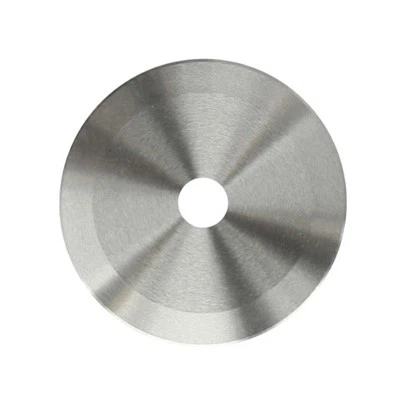
Hey there, folks! As a supplier of meat slicer blades, I get asked a lot about the best lubricant for these blades. It's a crucial question because the right lubricant can make a huge difference in the performance and lifespan of your meat slicer blade. So, let's dive right in and explore what options are out there.
First off, why do we even need to lubricate a meat slicer blade? Well, slicing meat can be a tough job. The blade has to cut through various types of meat, including tough cuts and fatty portions. Over time, this can cause friction, which leads to wear and tear on the blade. Lubrication helps reduce this friction, making the slicing process smoother and also preventing the blade from getting dull too quickly.
One of the most commonly used lubricants for meat slicer blades is food - grade mineral oil. It's a great choice for a few reasons. For starters, it's non - toxic. Since it comes into contact with the meat we're going to eat, this is a must - have feature. Food - grade mineral oil forms a thin, protective layer on the blade, reducing friction as the blade moves through the meat. It also helps prevent rust and corrosion, which are big enemies of a sharp blade. You can easily find food - grade mineral oil at most kitchen supply stores or online. Just make sure it's labeled as food - grade to ensure it's safe for use with food.
Another option is vegetable - based lubricants. These are a more natural alternative to mineral oil. Vegetable - based lubricants are biodegradable and are often derived from sources like soybeans or canola. They offer good lubrication properties and are also food - safe. Some people prefer vegetable - based lubricants because they are more environmentally friendly. However, they may not last as long as mineral oil and can go rancid over time if not stored properly. So, if you choose a vegetable - based lubricant, make sure to follow the storage instructions carefully.
Silicone - based lubricants are also worth considering. They provide excellent lubrication and can withstand high temperatures. This is useful if you're using your meat slicer for a long period and the blade starts to heat up. Silicone lubricants are also water - resistant, which means they can keep the blade protected even if it gets a little wet during cleaning. They form a durable coating on the blade, but they can be a bit more expensive than mineral oil or vegetable - based lubricants.


Now, let's talk about how to apply the lubricant. Before applying any lubricant, make sure the blade is clean. You can use a mild detergent and warm water to clean the blade, then dry it thoroughly. Once the blade is dry, apply a small amount of lubricant to a clean cloth or paper towel. Then, gently wipe the lubricant onto the blade, making sure to cover all the cutting edges. Don't over - apply the lubricant, as too much can attract dirt and debris, which can actually damage the blade.
When it comes to frequency of lubrication, it depends on how often you use your meat slicer. If you're using it daily in a commercial kitchen, you may need to lubricate the blade after every few uses. For home use, lubricating the blade once a week or after a few slicing sessions should be sufficient.
As a meat slicer blade supplier, I've seen firsthand the impact that the right lubricant can have on the performance of the blades. A well - lubricated blade not only slices meat more smoothly but also lasts longer, saving you money in the long run.
By the way, if you're in the market for other types of blades, we also offer Carton Sealing Machine Blade, Packaging Machine Blade, and Rubber Cutting Saw Blade. These blades are made with high - quality materials and are designed to meet the specific needs of different industries.
If you're interested in purchasing meat slicer blades or any of our other products, don't hesitate to reach out for a purchase negotiation. We're always happy to discuss your requirements and find the best solutions for you.
References
- "Food - Grade Lubricants for the Food Industry" by various industry experts.
- "The Science of Blade Lubrication" in several mechanical engineering journals.
- Manufacturer's guides for meat slicers and related equipment.