What is the cutting edge angle of circular slitter blades?
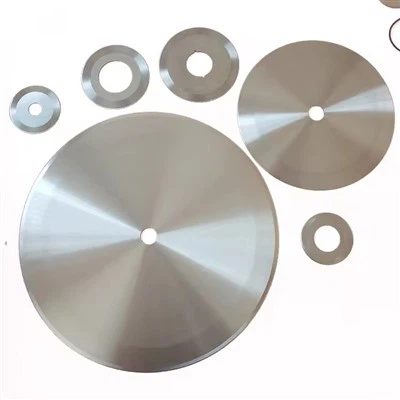
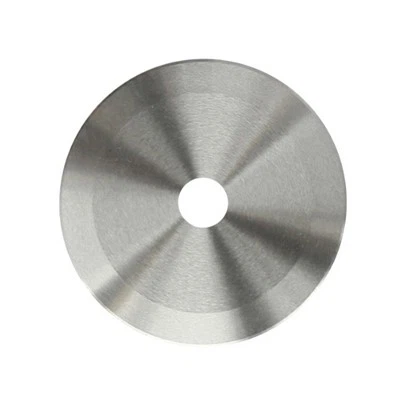
In the industrial world, circular slitter blades are essential tools used in a wide range of cutting applications. From paper and plastic to rubber and metal, these blades play a crucial role in precision cutting operations. One of the key factors that determine the performance and efficiency of circular slitter blades is the cutting edge angle. In this blog post, we'll explore what the cutting edge angle is, its importance, and how it affects the cutting process. As a leading supplier of Circular Slitter Blades, we have in - depth knowledge of these blades and are eager to share our expertise.
Understanding the Cutting Edge Angle
The cutting edge angle of a circular slitter blade refers to the angle formed between the two cutting faces at the tip of the blade. This angle is a fundamental geometric characteristic that significantly influences the blade's cutting ability. It can vary depending on the specific application and the material being cut.
Typically, the cutting edge angle is measured in degrees. A smaller cutting edge angle means a sharper blade tip, while a larger angle results in a more blunt - edged blade. For instance, blades used for cutting soft materials like paper often have a relatively small cutting edge angle, usually ranging from 15 to 30 degrees. On the other hand, blades designed for cutting harder materials such as metals may have a cutting edge angle between 40 and 60 degrees or even higher.
Importance of the Cutting Edge Angle
-
Cutting Force
The cutting edge angle has a direct impact on the cutting force required to make a cut. A smaller cutting edge angle reduces the cutting force because the sharp blade can penetrate the material more easily. This is beneficial as it reduces the load on the cutting equipment, leading to less wear and tear on the machinery and lower energy consumption. For example, when using Round Paper Cutting Blade with a small cutting edge angle, less force is needed to slice through the paper, resulting in a smoother and more efficient cutting process. -
Surface Finish
The angle of the cutting edge also affects the surface finish of the cut material. A sharp blade with a small cutting edge angle can produce a cleaner and more precise cut, leaving a smooth edge on the material. This is particularly important in applications where a high - quality finish is required, such as in the printing and packaging industries. In contrast, a blade with a large cutting edge angle may cause more deformation and a rougher surface finish on the cut material. -
Blade Life
The cutting edge angle can influence the blade's lifespan. A blade with an appropriate cutting edge angle for the material being cut will experience less wear and tear. If the cutting edge angle is too small for a hard material, the blade may chip or break easily due to the high stress during cutting. Conversely, if the angle is too large for a soft material, the blade may not cut effectively and will need to be replaced more frequently.
Factors Affecting the Choice of Cutting Edge Angle
-
Material Properties
The physical and mechanical properties of the material to be cut are the primary factors in determining the appropriate cutting edge angle. Soft materials like rubber, which are more pliable, can be cut with a small - angled blade. Rubber Cutting Blade typically have a relatively sharp cutting edge to ensure a clean cut without excessive deformation of the rubber. Hard materials, such as stainless steel, require a larger cutting edge angle to withstand the high cutting forces and prevent blade damage.

-
Cutting Speed
The cutting speed also plays a role in choosing the cutting edge angle. At higher cutting speeds, a larger cutting edge angle may be necessary to prevent the blade from overheating and losing its sharpness. The increased angle helps to dissipate heat more effectively and reduces the risk of blade failure due to thermal stress. -
Cutting Thickness
The thickness of the material being cut is another consideration. Thicker materials generally require a larger cutting edge angle to handle the increased resistance during cutting. A small - angled blade may not be able to penetrate thick materials efficiently and may break under the pressure.
How We Select the Right Cutting Edge Angle as a Supplier
As a circular slitter blades supplier, we take a comprehensive approach to selecting the appropriate cutting edge angle for our customers. When a customer approaches us with a specific cutting requirement, we first gather detailed information about the material to be cut, including its hardness, density, and thickness. We also consider the cutting speed and the type of cutting equipment that will be used.
Our team of experts then uses this information to analyze and recommend the optimal cutting edge angle for the blades. We have a wide range of manufacturing capabilities, allowing us to produce blades with different cutting edge angles to meet the diverse needs of our customers. We also conduct extensive testing on our blades to ensure that they meet the highest quality and performance standards.
Customization and Innovation
In addition to providing standard circular slitter blades with pre - determined cutting edge angles, we also offer customization services. We understand that every customer's cutting application is unique, and sometimes, standard blades may not be sufficient. Our engineering team works closely with customers to develop custom - designed blades with specific cutting edge angles tailored to their exact requirements.
We are also committed to innovation in blade design. We continuously research and develop new blade materials and geometries to improve cutting performance. By staying at the forefront of technological advancements, we can offer our customers the most efficient and reliable circular slitter blades on the market.
Conclusion
The cutting edge angle of circular slitter blades is a critical factor that affects the cutting process in many ways, including cutting force, surface finish, and blade life. Choosing the right cutting edge angle depends on various factors such as the material properties, cutting speed, and cutting thickness. As a professional circular slitter blades supplier, we have the expertise and resources to help our customers select the most suitable blades for their specific applications.
If you are looking for high - quality circular slitter blades or need advice on choosing the right cutting edge angle for your cutting operations, please don't hesitate to contact us. We are ready to engage in in - depth discussions and provide you with the best solutions to meet your cutting needs.
References
- Shaw, M. C. (1984). Metal Cutting Principles. Oxford University Press.
- Trent, E. M., & Wright, P. K. (2000). Metal Cutting. Butterworth - Heinemann.
- Kalpakjian, S., & Schmid, S. R. (2008). Manufacturing Engineering and Technology. Pearson Prentice Hall.