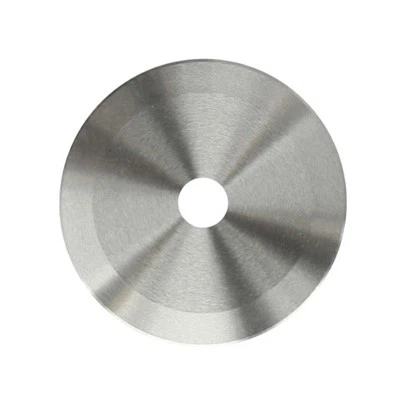
Hey there! As a supplier of sealing machine blades, I often get asked a bunch of questions about our products. One question that keeps popping up is, "Can a sealing machine blade be used in a vacuum - sealing environment?" Well, let's dig into this topic and find out.
First off, let's understand what a sealing machine blade is. A Sealing Machine Blade is a crucial part of a sealing machine. It's responsible for cutting and sealing various types of packaging materials. These blades come in different shapes, sizes, and materials, depending on the specific application and the type of material they'll be working with.
Now, a vacuum - sealing environment is a bit different from a regular sealing situation. In a vacuum - sealing process, the air is removed from the packaging before it's sealed. This helps to preserve the contents, extend their shelf - life, and prevent spoilage. It's commonly used in the food industry, for things like meat, cheese, and other perishable items. But it also has applications in other sectors, such as electronics, where protecting products from moisture and dust is essential.
So, can our sealing machine blades handle this vacuum - sealing environment? The short answer is, it depends. There are a few factors we need to consider.
Material Compatibility
The material of the blade is super important. In a vacuum - sealing environment, the blade may be exposed to different temperatures and pressures compared to a normal sealing process. For example, some vacuum - sealing machines use heat to seal the packaging. If the blade material can't withstand the heat, it might warp or lose its sharpness quickly.
Most of our high - quality sealing machine blades are made from stainless steel or other hardened alloys. Stainless steel is a great choice because it's corrosion - resistant and can handle a fair amount of heat. It can also maintain its shape and sharpness under pressure. On the other hand, if you're dealing with a very high - temperature vacuum - sealing process, you might need a blade made from a more heat - resistant material, like ceramic.
Design and Structure
The design of the blade also plays a role. A well - designed blade will be able to cut through the packaging material cleanly, even in a vacuum - sealing environment. Our Charter Machine Blade is designed with precision. Its teeth are shaped in a way that allows for smooth cutting, reducing the chances of tearing the packaging material.
In a vacuum - sealing setup, the blade needs to work in harmony with the rest of the machine. The pressure and speed at which the blade operates are carefully calibrated. If the blade is too thick or too thin, it might not perform as expected. For instance, a blade that's too thin could break under the pressure of the vacuum - sealing process, while a blade that's too thick might not cut through the material cleanly.
Wear and Tear
In a vacuum - sealing environment, the blade may experience more wear and tear compared to a regular sealing process. The constant cutting and the exposure to different pressures can take a toll on the blade. That's why it's important to choose a blade that's durable.
Our sealing machine blades are built to last. We use advanced manufacturing techniques to ensure that the blades have a long lifespan. But, like any tool, they will eventually need to be replaced. Regular maintenance, such as cleaning and sharpening, can help extend the life of the blade.
Case in Point: The Food Industry
Let's take a look at the food industry, which is one of the biggest users of vacuum - sealing technology. In a meat processing plant, for example, Meat Slicer Blade and sealing machine blades are used in tandem. The meat is first sliced and then vacuum - sealed to keep it fresh.

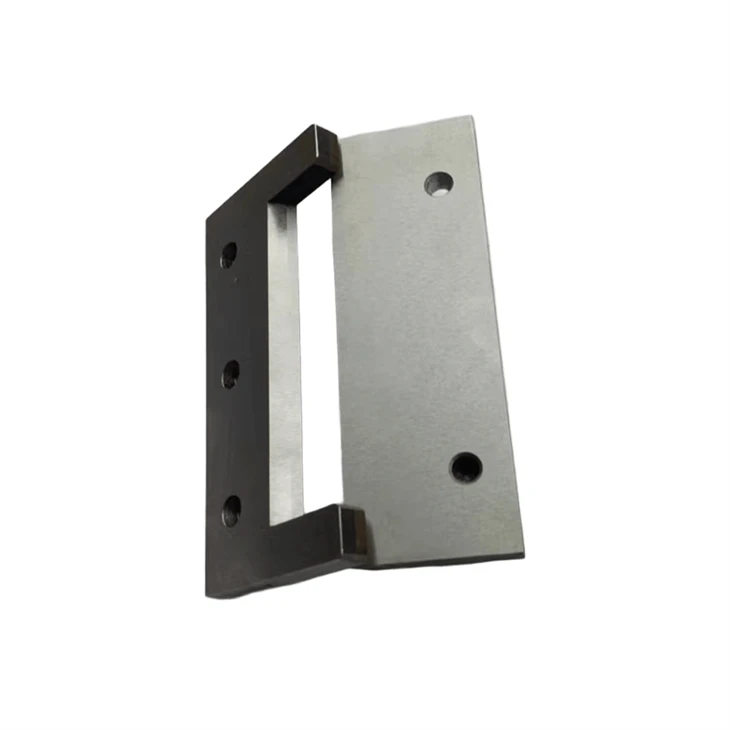
In this environment, the sealing machine blade needs to be able to cut through the plastic packaging material without leaving any jagged edges. A clean cut ensures a proper seal, which is crucial for preventing air and bacteria from getting into the package. Our blades are designed to meet these high - standards. They can handle the tough task of cutting through the packaging, even when it's being used in a high - volume production line.
Benefits of Using Our Blades in a Vacuum - Sealing Environment
If you choose our sealing machine blades for your vacuum - sealing needs, you'll enjoy several benefits. First of all, you'll get a clean and precise cut every time. This means better - looking packages and a more reliable seal. Second, our blades are durable, which means you won't have to replace them as often. This can save you money in the long run. And finally, our blades are made from high - quality materials, so you can trust that they'll perform well in a vacuum - sealing environment.
So, What's the Verdict?
In conclusion, yes, a sealing machine blade can be used in a vacuum - sealing environment, but you need to choose the right blade for the job. Consider the material, design, and durability of the blade. Our range of sealing machine blades is designed to meet the demands of various vacuum - sealing applications. Whether you're in the food industry, electronics, or any other sector that uses vacuum - sealing technology, we've got you covered.
If you're interested in learning more about our sealing machine blades or have any questions about using them in a vacuum - sealing environment, don't hesitate to reach out. We're here to help you find the perfect blade for your needs. Let's start a conversation about your requirements and see how we can work together to improve your vacuum - sealing process.
References
- Smith, J. (2020). "Advances in Sealing Machine Technology." Packaging Journal.
- Johnson, A. (2019). "The Role of Blades in Vacuum - Sealing Processes." Manufacturing Review.