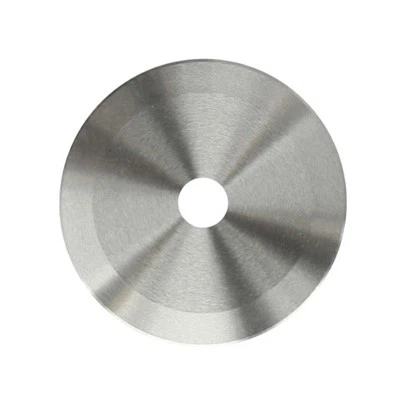
When it comes to meat slicers, one of the most crucial components is the blade. The choice between a thin and a thick meat slicer blade can significantly impact the slicing process, the quality of the slices, and the overall efficiency of your meat - slicing operations. As a meat slicer blade supplier, I've had the opportunity to work closely with various customers, understand their needs, and witness firsthand the differences between these two types of blades.
Thickness and Material Composition
The most obvious difference between a thin and a thick meat slicer blade lies in their thickness. Thin blades typically have a thickness ranging from 0.5mm to 1.5mm, while thick blades can be anywhere from 2mm to 5mm or even thicker in some industrial - grade models.
The material composition also varies. Thin blades are often made from high - carbon stainless steel or other lightweight yet durable alloys. These materials are chosen for their ability to hold a sharp edge while remaining flexible enough to cut through meat without excessive force. For example, a thin blade made of high - carbon stainless steel can easily slice through delicate cuts of meat like prosciutto or smoked salmon, creating paper - thin slices.
On the other hand, thick blades are usually crafted from tougher, more robust materials such as tool steel or heavy - duty stainless steel. These materials can withstand the rigors of slicing through large, dense cuts of meat, including beef roasts, pork shoulders, and even frozen meats. The added thickness provides the blade with the necessary strength and stability to handle these challenging slicing tasks without bending or breaking.
Cutting Performance
In terms of cutting performance, thin and thick blades have distinct advantages.
Thin blades excel at creating thin, precise slices. Their sharp edges and flexibility allow them to glide through meat with minimal resistance, resulting in clean, even cuts. This makes them ideal for applications where presentation is key, such as in delis or restaurants that serve charcuterie boards. The thin slices produced by these blades are not only visually appealing but also have a better texture, as they are less likely to compress the meat fibers during the slicing process.
However, thin blades may struggle when it comes to slicing through tough or fibrous meats. Their delicate nature makes them more prone to chipping or dulling when faced with large, hard - to - cut pieces. For instance, trying to slice a large, sinewy beef brisket with a thin blade may result in uneven cuts and a quickly dulled blade.
Thick blades, on the other hand, are designed for power and durability. They can effortlessly slice through thick, dense cuts of meat, making them a popular choice for commercial meat processing facilities. The increased mass of the blade provides more momentum during the slicing process, allowing it to cut through tough meats with ease. Thick blades are also better suited for slicing frozen meats, as they can withstand the impact and pressure required to break through the ice - hard exterior.
But thick blades may not be as precise as thin blades when it comes to creating ultra - thin slices. The wider cutting edge can sometimes compress the meat slightly, resulting in slices that are not as delicate or uniform in thickness.
Blade Longevity
Blade longevity is another important factor to consider.
Thin blades, due to their thinner profile and more delicate construction, generally have a shorter lifespan compared to thick blades. They are more susceptible to wear and tear, especially when used to slice through hard or abrasive materials. Regular sharpening is essential to maintain the performance of thin blades, and they may need to be replaced more frequently, especially in high - volume slicing operations.
Thick blades, with their robust construction, tend to last longer. They can withstand more abuse and are less likely to chip or break during normal use. However, they also require proper maintenance, including regular sharpening, to ensure optimal performance. While thick blades may have a higher upfront cost, their longer lifespan can result in cost savings over time, especially for businesses that rely heavily on meat slicing.
Application and User Preference
The choice between a thin and a thick meat slicer blade ultimately depends on the specific application and user preference.


For small - scale operations, such as home kitchens or small delis, a thin blade may be the better choice. It allows for precise slicing of a variety of meats, including delicate and thin - sliced products, and is generally more affordable. Additionally, thin blades are easier to handle and maneuver, making them suitable for users with less experience.
Commercial meat processing facilities, large restaurants, and butcher shops, on the other hand, often prefer thick blades. These blades can handle the high - volume slicing of large, tough cuts of meat, and their durability makes them a cost - effective option in the long run.
As a meat slicer blade supplier, we understand that every customer has unique needs. That's why we offer a wide range of blade options, including Non - standard Blades, Jelly Machine Blade, and Cake Cutting Machine Blades, to meet the diverse requirements of our clients.
If you're in the market for a meat slicer blade, whether it's a thin or thick blade, we're here to help. Our team of experts can provide you with detailed information, recommend the best blade for your specific needs, and offer guidance on blade maintenance. Contact us today to start a discussion about your meat slicing requirements and let us help you find the perfect blade for your operation.
References
- "Meat Processing Technology" by Fidel Toldrá.
- Various industry reports and research on meat slicing equipment and blade technology.