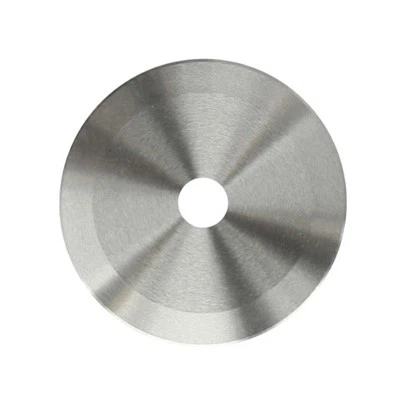
What is the wear rate of a toothed cutter? That's a question I get asked a lot as a toothed cutter supplier. In this blog post, I'm gonna break down what the wear rate is, what factors affect it, and how you can manage it to get the most out of your toothed cutters.
First things first, let's talk about what the wear rate actually means. The wear rate of a toothed cutter refers to how quickly the cutter loses its material or sharpness during the cutting process. It's usually measured in terms of volume loss per unit of cutting distance or time. A high wear rate means the cutter is wearing out fast, which can lead to a bunch of problems like poor cutting quality, increased downtime for blade replacement, and higher costs in the long run.
So, what factors can influence the wear rate of a toothed cutter? Well, there are quite a few.
Material of the Workpiece
The type of material you're cutting is a major factor. If you're cutting through tough, abrasive materials like high - carbon steel or fiberglass, the wear rate of your toothed cutter is going to be higher compared to cutting softer materials like aluminum or wood. For example, when cutting fiberglass, the glass fibers can act like tiny abrasives, constantly rubbing against the cutter teeth and wearing them down.
Cutting Parameters
The cutting speed, feed rate, and depth of cut also play a crucial role. If you set the cutting speed too high, the cutter will generate more heat, which can soften the cutter material and increase the wear rate. Similarly, a high feed rate or a large depth of cut can put more stress on the cutter teeth, causing them to wear out faster. It's all about finding the right balance. For instance, if you're using a Filling Machine Tooth Cutting Blade in a filling machine, you need to adjust these parameters according to the specific requirements of the filling process and the material being cut.
Cutter Material and Design
The quality of the cutter material matters a great deal. High - quality steels or carbide - tipped cutters are generally more wear - resistant than lower - grade materials. The design of the cutter, such as the tooth shape, pitch, and rake angle, also affects the wear rate. A well - designed cutter can distribute the cutting forces evenly across the teeth, reducing the stress on individual teeth and thus lowering the wear rate. For example, a Tire Trimming Blade needs to be designed specifically to handle the tough rubber material of tires, with a tooth shape that can efficiently cut through the rubber without excessive wear.
Lubrication and Cooling
Proper lubrication and cooling can significantly reduce the wear rate. Lubricants can reduce friction between the cutter and the workpiece, which in turn reduces heat generation and wear. Cooling helps to keep the cutter temperature within a safe range, preventing the material from softening. For example, when using a Cutting Blade For Film Laminating, applying a suitable lubricant can ensure a smooth cutting process and extend the blade's lifespan.
Now that we know what affects the wear rate, how can we manage it?
Regular Inspection
You should regularly inspect your toothed cutters for signs of wear. Look for things like chipped teeth, dull edges, or uneven wear. By catching wear early, you can take corrective actions before it affects the cutting quality.
Optimal Parameter Setting
As mentioned earlier, adjust the cutting parameters according to the workpiece material and the cutter type. This may require some trial and error at first, but once you find the optimal settings, you can significantly reduce the wear rate.
Proper Maintenance
Keep your cutters clean and properly lubricated. After each use, clean the cutter to remove any debris or chips that could cause additional wear. Store the cutters in a dry and protected environment to prevent corrosion.


Blade Replacement
When a cutter reaches the end of its useful life, don't hesitate to replace it. Using a worn - out cutter can lead to poor product quality, increased production time, and even damage to the cutting equipment.
In conclusion, understanding the wear rate of a toothed cutter is essential for anyone using or supplying these cutters. By being aware of the factors that affect the wear rate and taking appropriate measures to manage it, you can ensure better cutting performance, longer cutter life, and cost savings in the long run.
If you're in the market for high - quality toothed cutters or have any questions about wear rates and cutter performance, I'd love to hear from you. Reach out to me for a friendly chat and we can discuss how I can meet your specific cutting needs. Let's work together to find the best solutions for your business.
References
- Smith, J. (2018). Cutting Tool Technology: Principles and Applications. Publisher: ABC Publishing.
- Johnson, R. (2020). Wear Mechanisms in Metal Cutting. Journal of Manufacturing Science, 15(3), 45 - 58.