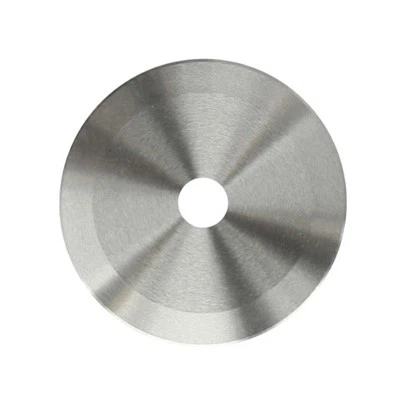
Hey there! As a supplier of non - standard blades, I often get asked the question: "Are non - standard blades resistant to abrasion?" Well, let's dig into this topic and find out.
First off, let's understand what non - standard blades are. Unlike the standard blades that you can easily find on the market with fixed sizes and specifications, non - standard blades are customized to meet specific needs. These could be for unique industrial applications, special machinery, or any situation where a one - size - fits - all blade just won't cut it (pun intended).
Now, when it comes to abrasion resistance, it's all about how well a blade can withstand the wear and tear caused by rubbing against other materials. Abrasion can happen in a variety of ways. For example, in a manufacturing process where a blade is constantly cutting through rough or abrasive materials like sandpaper, wood with embedded nails, or even some types of plastics, it's going to face a lot of abrasion.
One of the key factors that determine the abrasion resistance of non - standard blades is the material they're made from. We use a range of high - quality materials in our non - standard blade production. Stainless steel is a popular choice. It's known for its corrosion resistance, but it also has decent abrasion resistance. The chromium in stainless steel forms a protective oxide layer on the surface, which helps prevent the blade from wearing down too quickly.
Another material we often work with is carbide. Carbide blades are super tough. They're made by combining carbon with a metal like tungsten, and the resulting compound is extremely hard. Carbide blades can cut through very abrasive materials without getting dull as fast as some other types of blades. However, they can be a bit more brittle, so they need to be used and handled carefully.
The heat treatment process also plays a huge role in abrasion resistance. When we manufacture non - standard blades, we carefully control the heat treatment. This process involves heating the blade to a specific temperature and then cooling it at a certain rate. Heat treatment can change the internal structure of the blade, making it harder and more resistant to abrasion. For example, through proper heat treatment, we can increase the hardness of a stainless - steel blade, which in turn improves its ability to resist wear.
Let's take a look at some of the specific applications of our non - standard blades and how their abrasion resistance comes into play.
For V Type Packaging Machine Blades, these blades are used in the packaging industry. They're constantly in contact with various packaging materials like cardboard, plastic films, and paper. These materials can be abrasive, especially if they have rough edges or contain particles. Our non - standard V Type Packaging Machine Blades are designed to be highly abrasion - resistant. This means they can cut through these materials smoothly for a long time without needing frequent replacements. This is not only cost - effective for our customers but also helps improve the efficiency of the packaging process.
Sealing Machine Blade is another important product in our lineup. Sealing machines are used to seal packages, and the blades need to be able to cut through the sealing materials precisely. Some sealing materials can be quite tough and abrasive. Our non - standard Sealing Machine Blades are made with materials and processes that ensure good abrasion resistance. This allows them to maintain a sharp edge, resulting in clean and accurate cuts during the sealing process.
Then there are the Cigarette Pack Cutting Machine Blade. In the cigarette manufacturing industry, these blades are used to cut cigarette packs. The paper and cardboard used in cigarette packs can be abrasive, and the blades need to make a large number of cuts every day. Our non - standard Cigarette Pack Cutting Machine Blades are engineered to be abrasion - resistant, so they can handle the high - volume cutting tasks without losing their cutting performance.
But it's not just about the materials and manufacturing processes. How you use and maintain the non - standard blades also affects their abrasion resistance. For example, if you use a blade in an environment that's too dirty or has a lot of debris, it's going to face more abrasion. Regular cleaning and proper lubrication can help reduce the amount of abrasion. Also, using the blade within its designed specifications is crucial. If you try to cut materials that are too hard or abrasive for the blade, it's going to wear out much faster.
In some cases, we can also apply special coatings to the non - standard blades to enhance their abrasion resistance. These coatings can act as an extra layer of protection, reducing the direct contact between the blade and the abrasive materials. There are different types of coatings available, such as titanium nitride (TiN) coatings, which are known for their hardness and low friction properties.
So, to answer the question "Are non - standard blades resistant to abrasion?" The answer is yes, they can be. With the right materials, manufacturing processes, and proper usage and maintenance, our non - standard blades can offer excellent abrasion resistance.

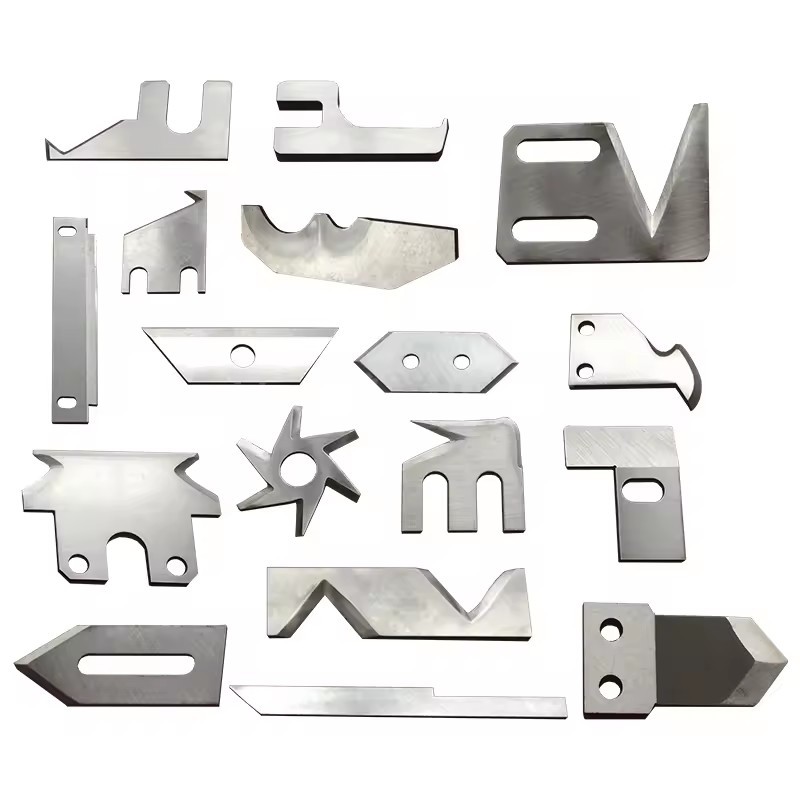
If you're in the market for high - quality non - standard blades with great abrasion resistance, we'd love to hear from you. Whether you need blades for packaging machines, sealing machines, or any other special application, we can provide customized solutions to meet your specific requirements. Don't hesitate to reach out and start a conversation about your blade needs.
References
- "Materials Science and Engineering: An Introduction" by William D. Callister Jr. and David G. Rethwisch
- Industry reports on blade manufacturing and abrasion resistance research