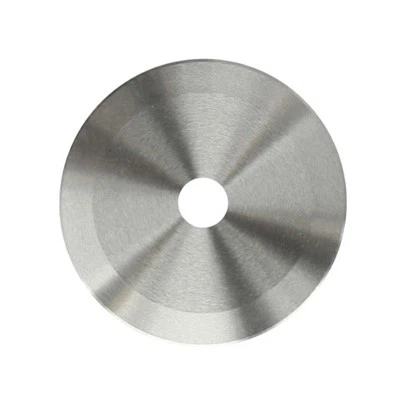
Hey there! I'm a supplier of leather cutting dies, and I often get asked about the environmental concerns related to what I offer. So, let's dig into this topic and see if there are any real issues when it comes to leather cutting dies.
First off, let's talk about the materials used in leather cutting dies. A lot of these dies are made from metals like steel or aluminum. The production of these metals can have a significant environmental impact. Steel production, for example, is energy - intensive. It involves processes like mining iron ore, which can lead to habitat destruction and soil erosion in the mining areas. The smelting process also releases a large amount of greenhouse gases, mainly carbon dioxide, into the atmosphere. Aluminum production isn't much better. It requires a huge amount of electricity, and the extraction of bauxite, the main ore for aluminum, can cause deforestation and water pollution.
But here's the thing. As a supplier, I'm always on the lookout for more sustainable options. There are now some manufacturers that are using recycled metals to make leather cutting dies. Recycling metals reduces the need for new mining operations, which in turn cuts down on habitat destruction and energy consumption. For instance, recycled steel can be melted down and re - used to create new dies with much less energy compared to producing steel from scratch.
Another aspect to consider is the manufacturing process of leather cutting dies. Traditional manufacturing methods might involve a lot of waste. For example, in the machining process, excess metal is often cut away and discarded. This not only wastes materials but also adds to the overall environmental footprint. However, modern techniques like CNC Machining Die are much more precise. CNC (Computer Numerical Control) machining uses computer - controlled tools to cut and shape the metal with high accuracy. This means less waste is generated as the machine can cut the metal exactly to the required dimensions.
Now, let's move on to the use of leather cutting dies. When these dies are used in the leather industry, there are also some environmental implications. Leather production itself is a resource - intensive process. It requires large amounts of water for tanning, and the tanning chemicals can be harmful to the environment if not properly managed. These chemicals can contaminate water sources and harm aquatic life.
But the leather cutting dies themselves can contribute to reducing waste in the leather industry. By using high - quality dies, leather manufacturers can cut leather pieces more efficiently. This means less leather is wasted during the cutting process. For example, a well - designed die can be used to cut multiple pieces of leather in a pattern that maximizes the use of the leather hide, leaving less scrap.
In addition to the materials and manufacturing process, the disposal of leather cutting dies at the end of their life cycle is also an environmental concern. If these dies are simply thrown away, they end up in landfills. And since they are made of metal, they can take a long time to decompose. But again, recycling comes to the rescue. Most metals in leather cutting dies can be recycled and turned into new products.


There are also some other tools related to the leather cutting process that we should mention. Tools like Tools For Multi - column Packaging Machines and Cross - cut Knife. Woodworking Plane Blade also have their own environmental impacts. Similar to leather cutting dies, their production, use, and disposal need to be considered. These tools are often made of similar materials and can follow the same principles of sustainable production and recycling.
As a responsible supplier, I'm committed to minimising the environmental impact of my products. I work closely with manufacturers who are adopting sustainable practices. This includes using recycled materials, implementing efficient manufacturing processes, and promoting the recycling of end - of - life products.
If you're in the market for leather cutting dies or related tools, I encourage you to think about the environmental aspect. By choosing products that are made with sustainability in mind, you can not only get high - quality tools but also contribute to a greener planet. Whether you're a small leather workshop or a large - scale leather manufacturer, every little bit helps.
So, if you're interested in learning more about our leather cutting dies or want to discuss your specific needs, feel free to reach out. We're here to help you find the best solutions for your business while also being kind to the environment. Let's work together to make the leather cutting industry more sustainable!
References
- "Sustainable Metal Production and Recycling" - Journal of Environmental Science and Technology
- "The Environmental Impact of Leather Production" - Leather Industry Research Institute
- "Advanced Manufacturing Techniques for Reducing Waste" - Manufacturing Technology Review